There was a time when a Norton Dominator was something to aspire to and a Yamaha two-stroke was what you bought because you couldn’t afford one. How the world has changed.
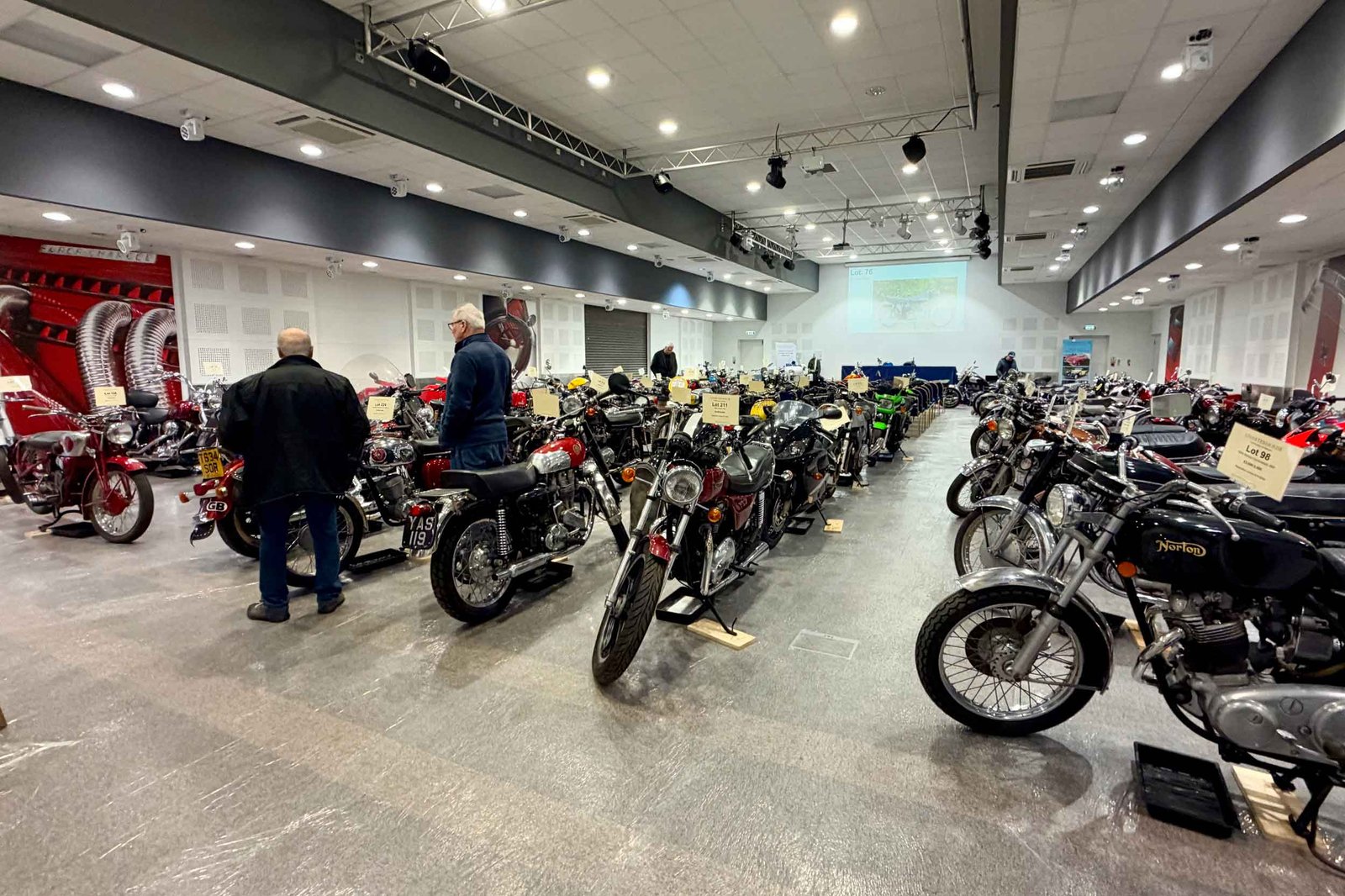
At Charterhouse’s motorcycle auction on 26 November 2026, a 1960 Norton Dominator 99 sold for just £2,000, while a beautifully restored 1977 Yamaha RD400 made £6,800. Even a 50cc Yamaha moped fetched considerably more than the Norton.
There were some intriguing results among the British, Japanese and Italian machinery on offer, not least a splendid vintage Zenith and a Triumph police motorcycle with a rather unusual claim to fame.
All prices quoted here are hammer prices, before buyer’s premium and any applicable charges.
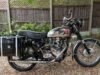
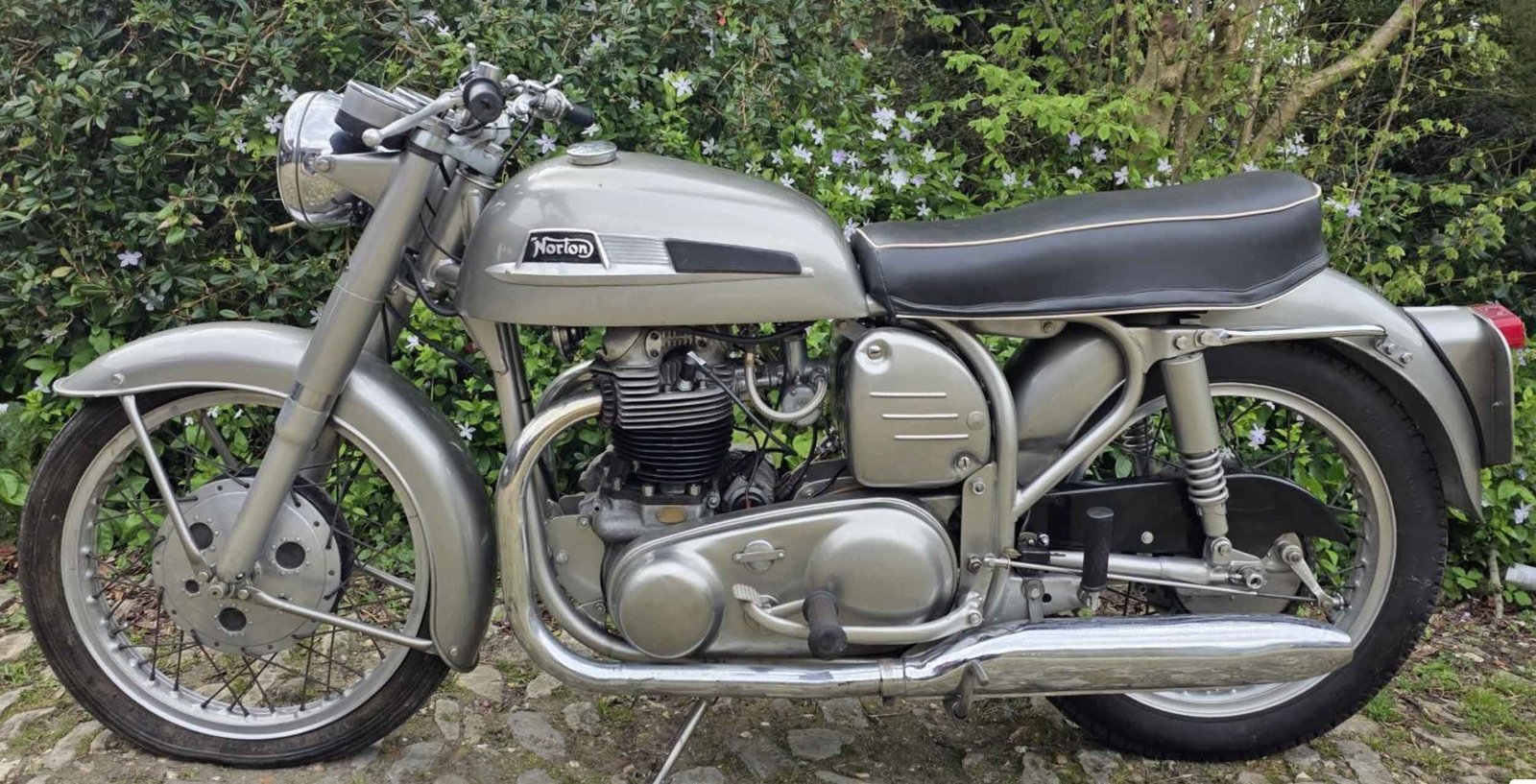
1960 Norton Dominator 99 – £2,000
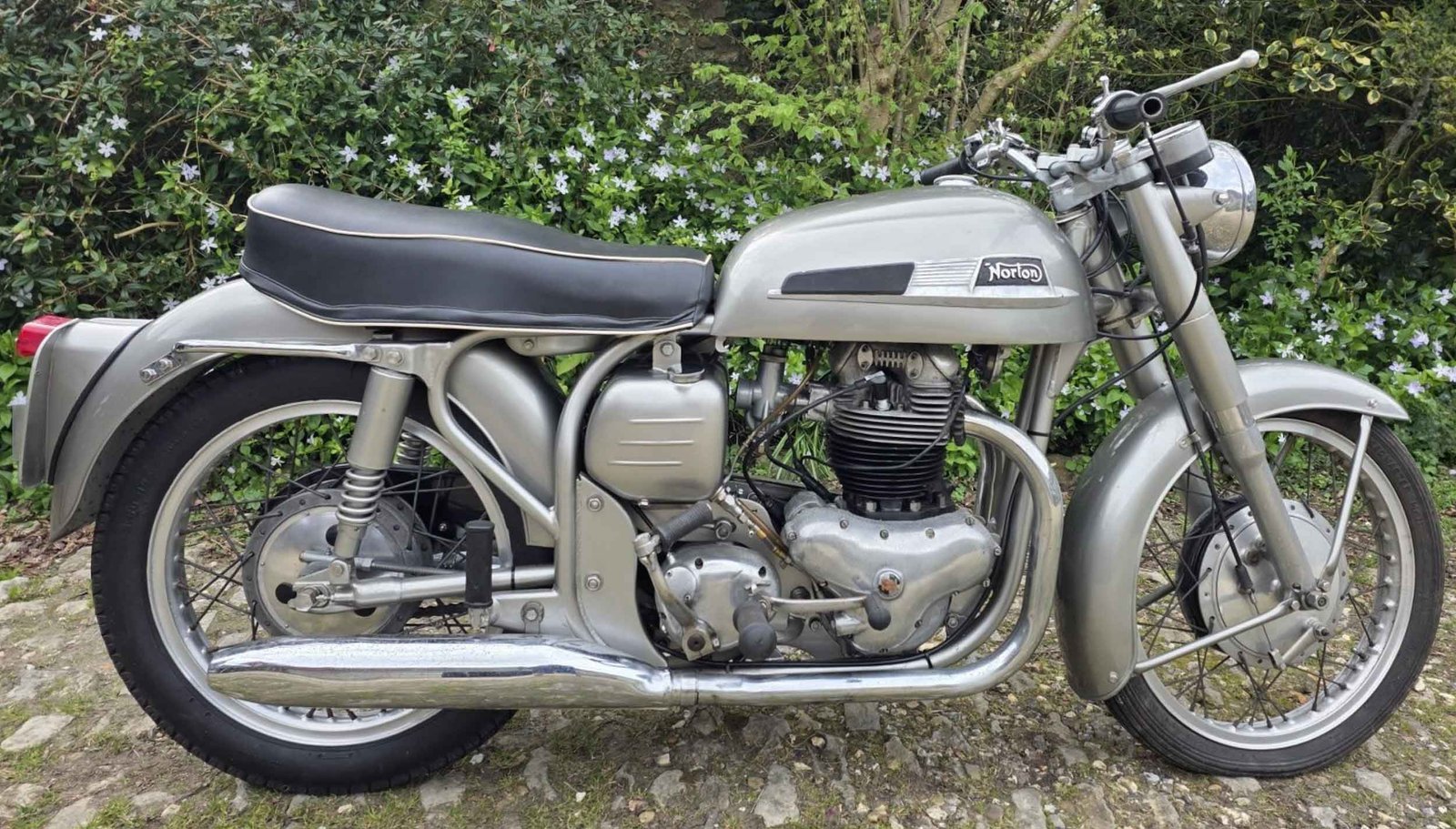
Surely the bargain of the bunch? Two thousand pounds for a proper British 600cc twin with one of the most celebrated motorcycle chassis of all time.
Introduced in 1956, the Dominator 99 was a development of the 500cc Model 88, with both bore and stroke increased to give 596cc. The extra torque and taller gearing made it a genuine 100mph motorcycle, while Norton’s race-derived Featherbed frame and Roadholder forks gave it handling to match. The narrower Slimline Featherbed frame arrived in 1960.
This example had covered a recorded 52,968 miles, came from a collection and required recommissioning. There was a history file containing old MOT certificates and invoices.
Even allowing for some expenditure in the workshop, it looks remarkably good value. You’d struggle to buy a decent modern electric bicycle for the same money.
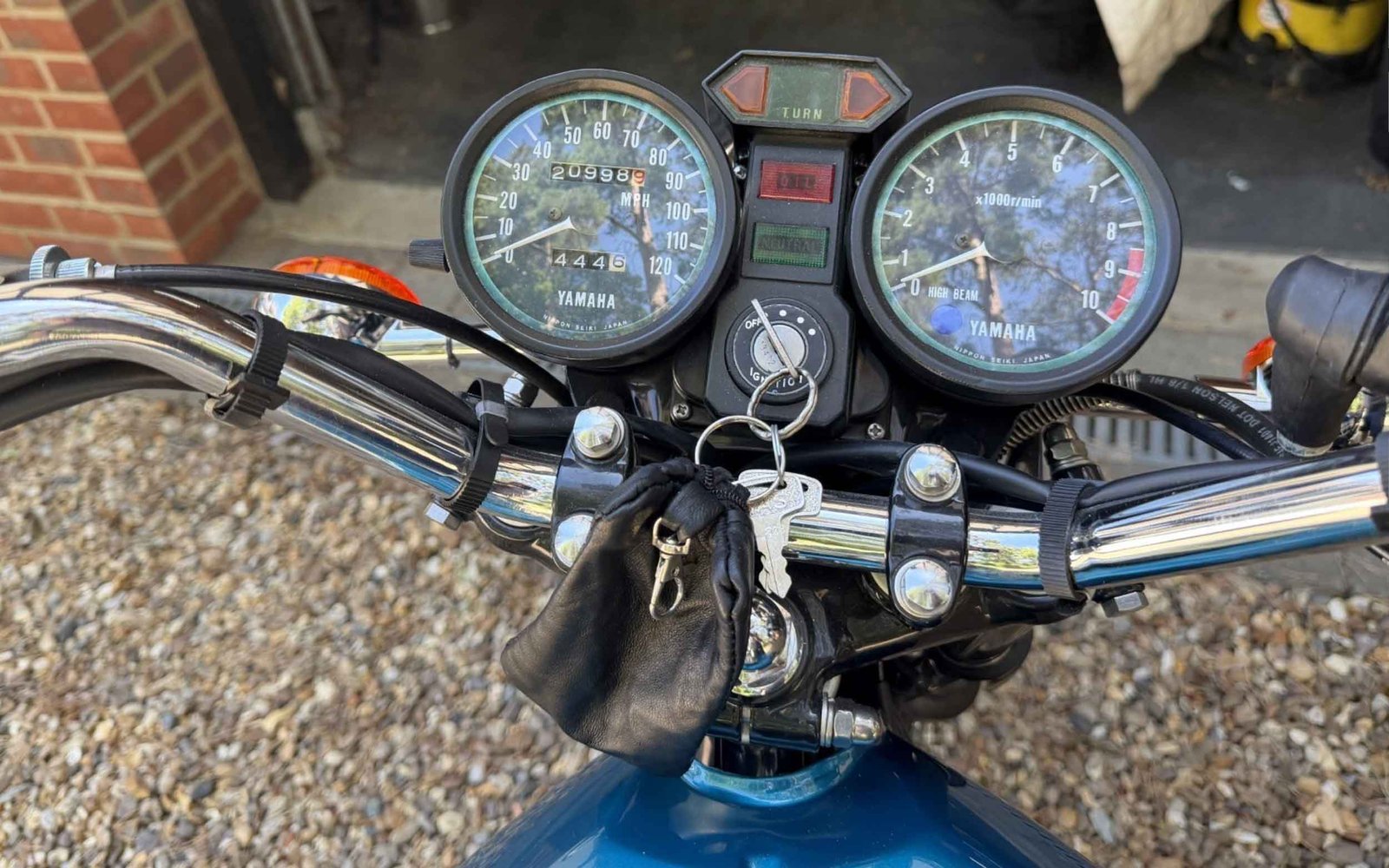
1977 Yamaha RD400 – £6,800
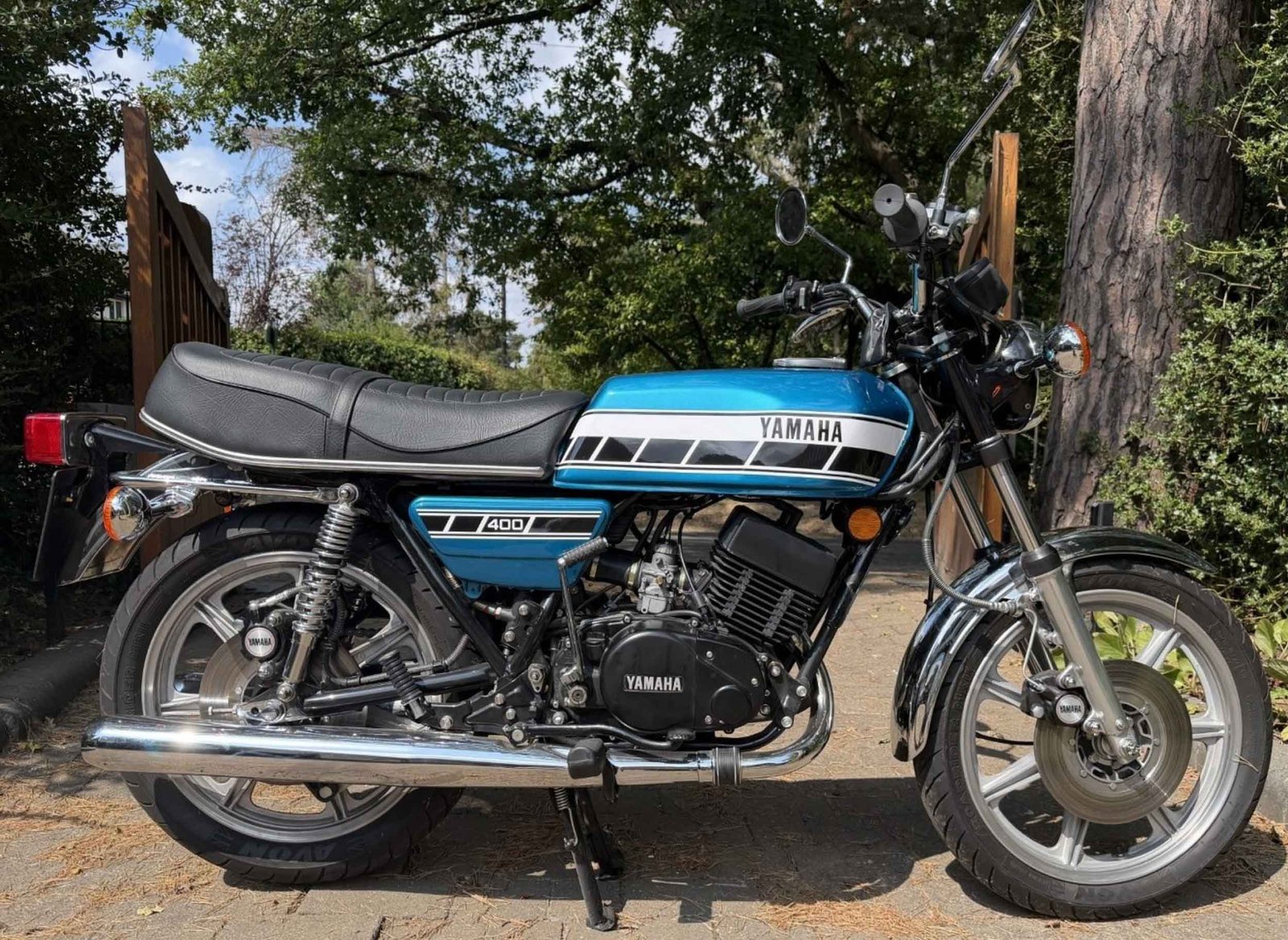
Ah, the smell of two-stroke oil in the morning.
The RD400 arrived in 1976, essentially a longer-stroke development of the RD350, with a 399cc air-cooled parallel twin producing around 40bhp, reed-valve induction, Yamaha’s Autolube oil injection system and a six-speed gearbox.
Rubber engine mountings helped civilise proceedings, although civilisation wasn’t necessarily what the typical RD400 purchaser was seeking.
This matching-numbers example was completely restored in 2023, including new chrome and professional paintwork by Boystoys. It had covered just 1,000 miles since restoration.
The prices being achieved by desirable Japanese motorcycles are increasingly interesting. The generation that lusted after British twins is growing older, while those who grew up on Yamaha RDs, Kawasaki triples and Suzuki GTs are now in a position to buy the motorcycles of their youth.
Nostalgia is a powerful thing, particularly when accompanied by expansion chambers.
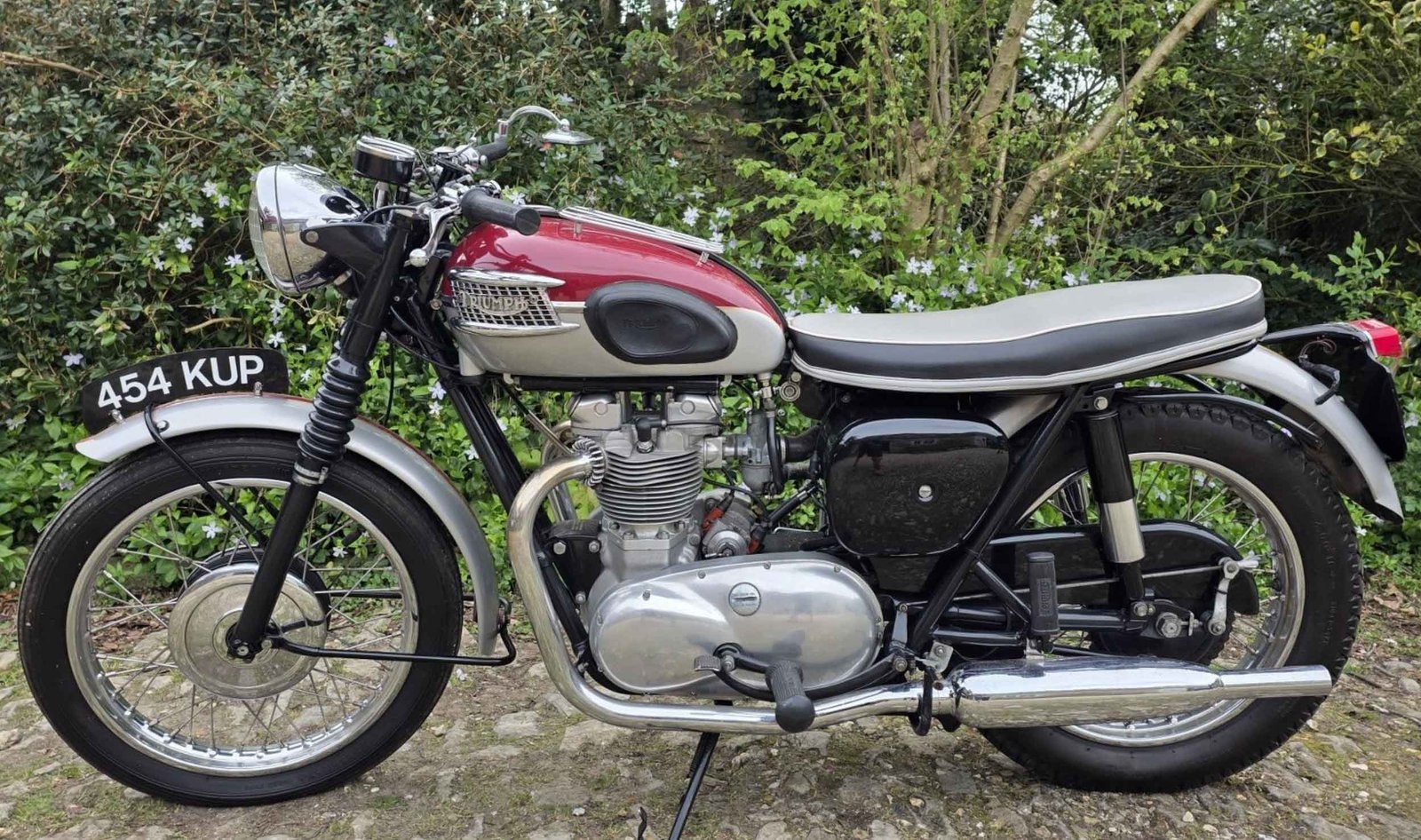
1961 Triumph Trophy 650 – £4,500
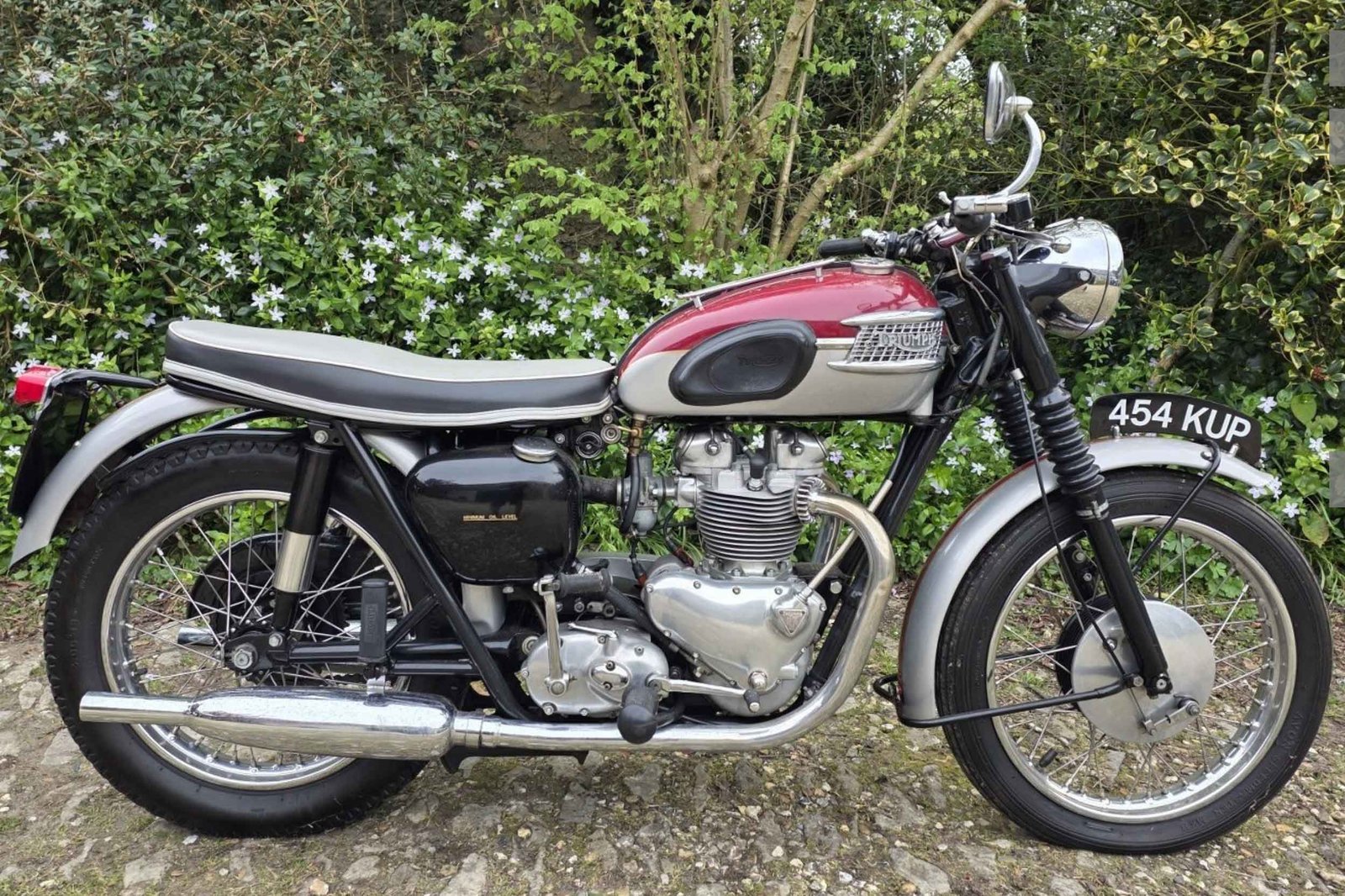
A really lovely motorcycle, this one, sympathetically restored and retaining its period appearance. If you were asked to draw a classic British motorcycle, you’d probably come up with something very much like this.
The TR6 Trophy was originally developed with the American market in mind, where Triumph’s big twins were particularly popular for desert racing. Its single-carburettor 649cc engine offered a less complicated alternative to the twin-carburettor Bonneville.
This is the TR6R road-going version and, being a 1961 model, has the earlier pre-unit engine and separate gearbox. Triumph introduced unit construction for its 650s in 1963.
This example has matching engine and frame numbers and a recorded 26,009 miles. It requires recommissioning.
Four and a half thousand pounds seems entirely reasonable for such a handsome piece of British engineering.
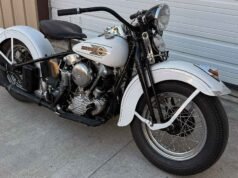
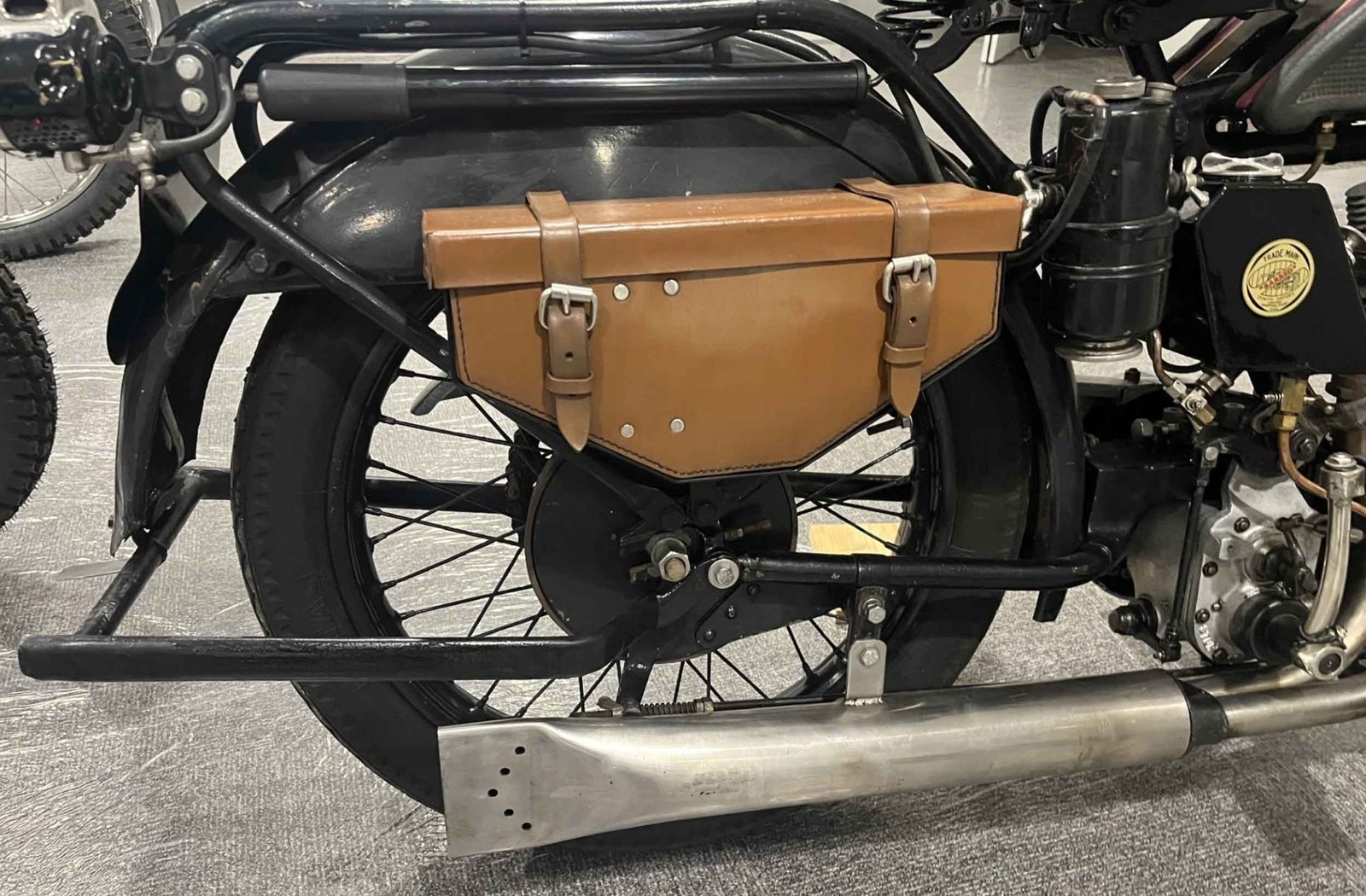
1927 Zenith 680 – £9,200
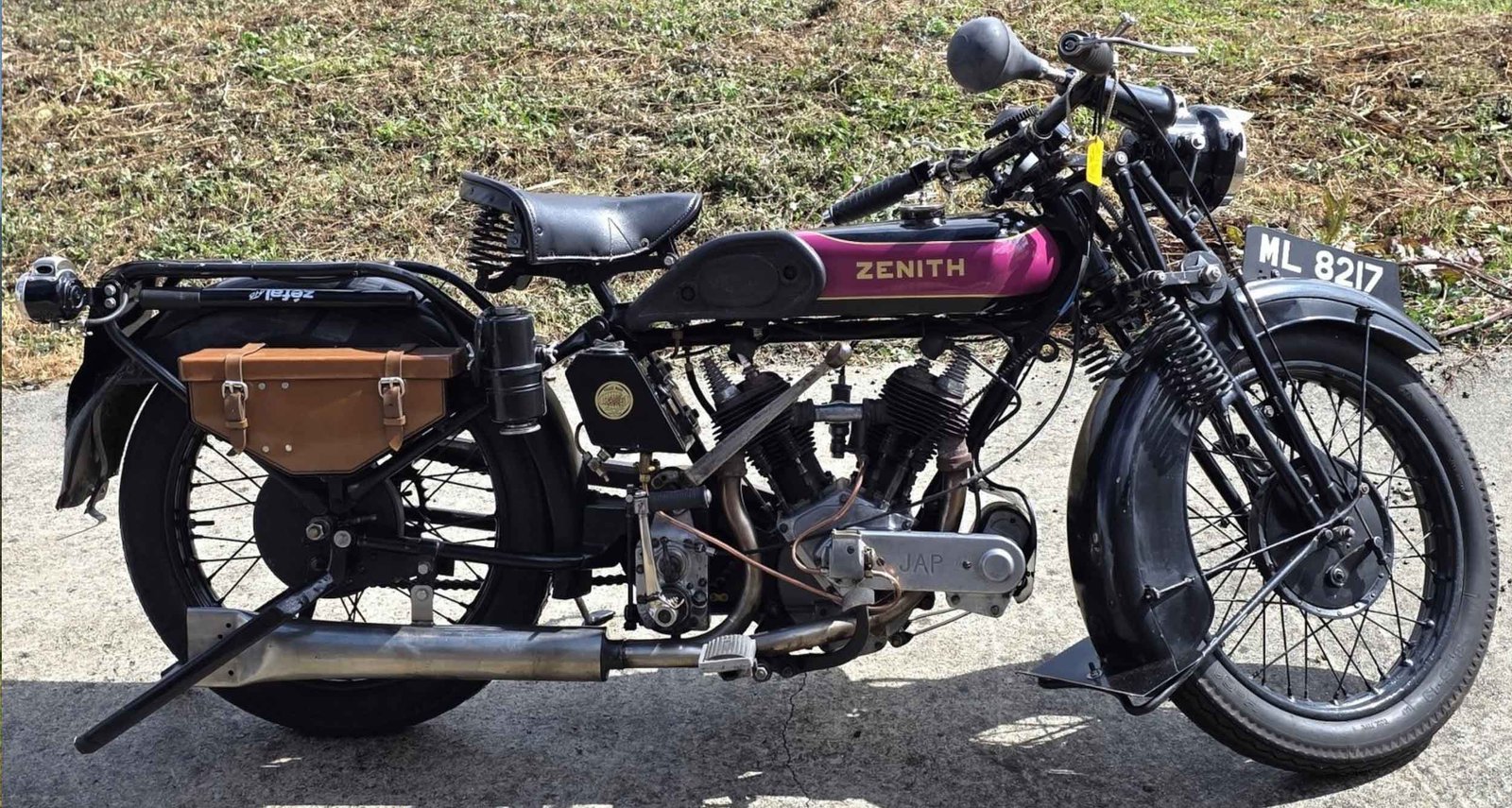
Now here’s something for the mechanically curious.
Zenith was one of the more interesting British motorcycle manufacturers of the early 20th century, producing motorcycles between 1904 and 1950 and using proprietary engines from several manufacturers, notably JAP.
This one has a 680cc side-valve JAP V-twin, Druid front forks and a Pilgrim oil pump. What’s particularly appealing about this Zenith is that it has been used. Its owner, who bought it in 2005, covered approximately 11,000 miles over the following 20 years.
There’s a substantial history file, including documentation detailing the motorcycle’s use and restoration between 1929 and 1981, old MOT certificates dating back to 1971, instruction sheets and various invoices.
It’ll be 100 years old next year. Wouldn’t it be lovely to see it out on the road celebrating its centenary?
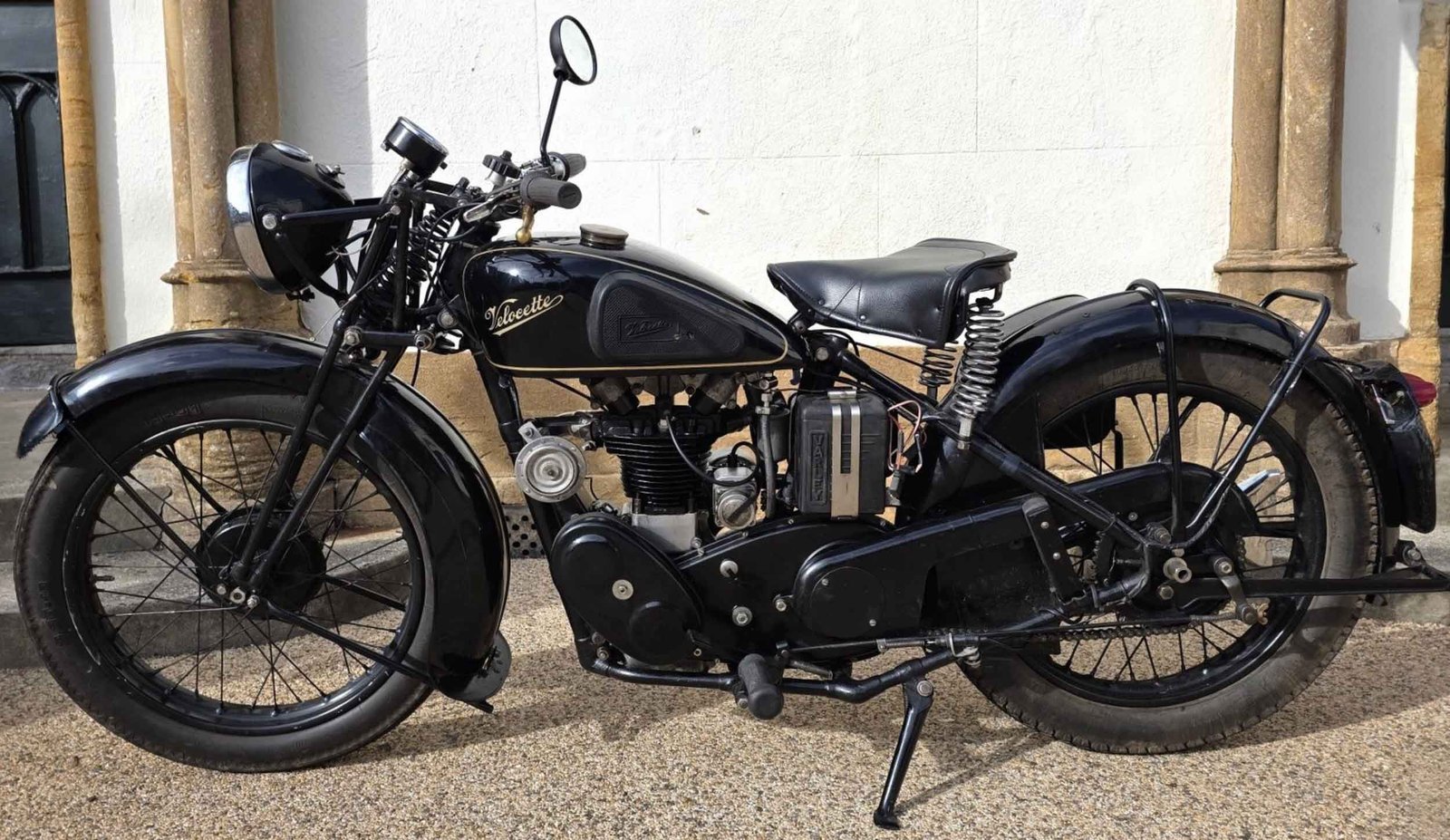
1951 Velocette MOV – £3,200
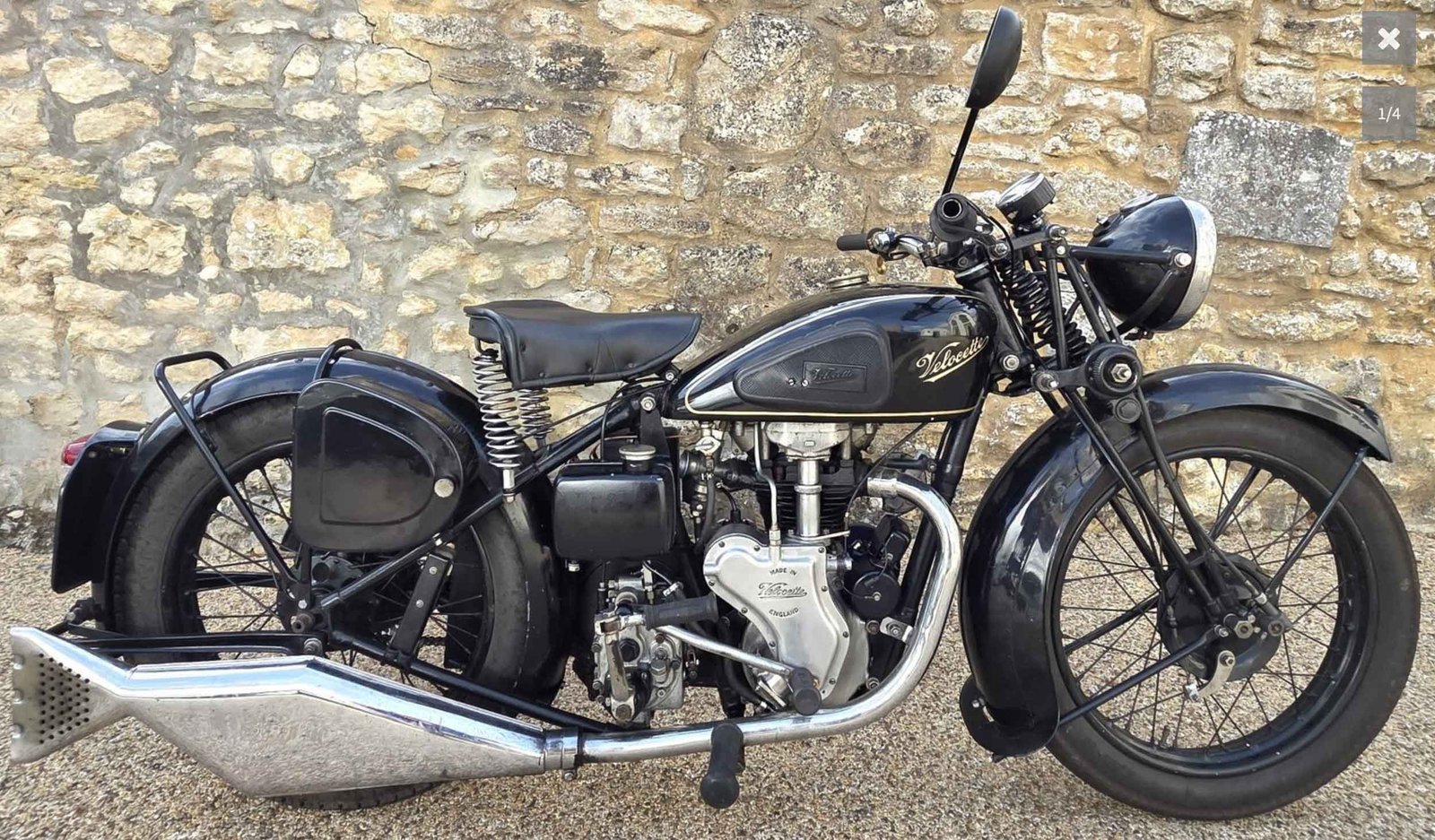
There is much to be said for a relatively lightweight, modestly powered British single, particularly as one’s enthusiasm for wrestling heavy motorcycles onto their centre stands begins to diminish.
Introduced in 1933, the MOV was Velocette’s 250cc overhead-valve model, using conventional pushrods rather than the more elaborate overhead-camshaft arrangement of its K-series motorcycles.
It provided the basis for the subsequent 350cc MAC, achieved by increasing the stroke of the engine.
This MOV was rebuilt by its owner in 2017 and subsequently used on local Dorset and Wessex section runs. It was also runner-up in the post-vintage class of the 2024 Westward Ho! and other events’ organising club’s WRRTC competition, as listed in the auction particulars.
The auctioneer reported that everything worked and only light recommissioning was required.
At £3,200, it represents rather good value for an attractive motorcycle from one of Britain’s most respected manufacturers.
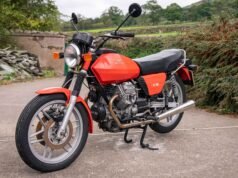
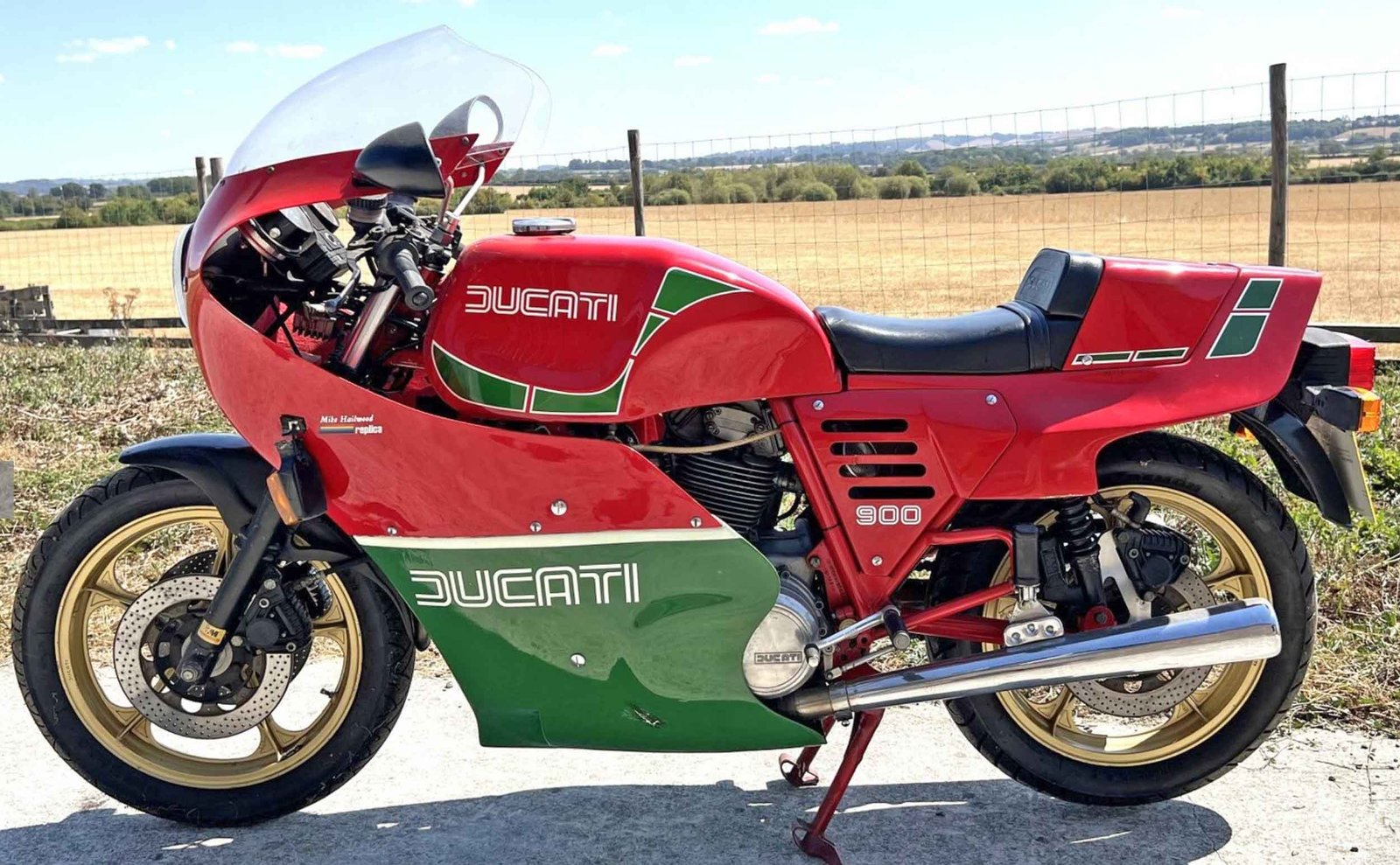
1985 Ducati 900 Mike Hailwood Replica – £6,400
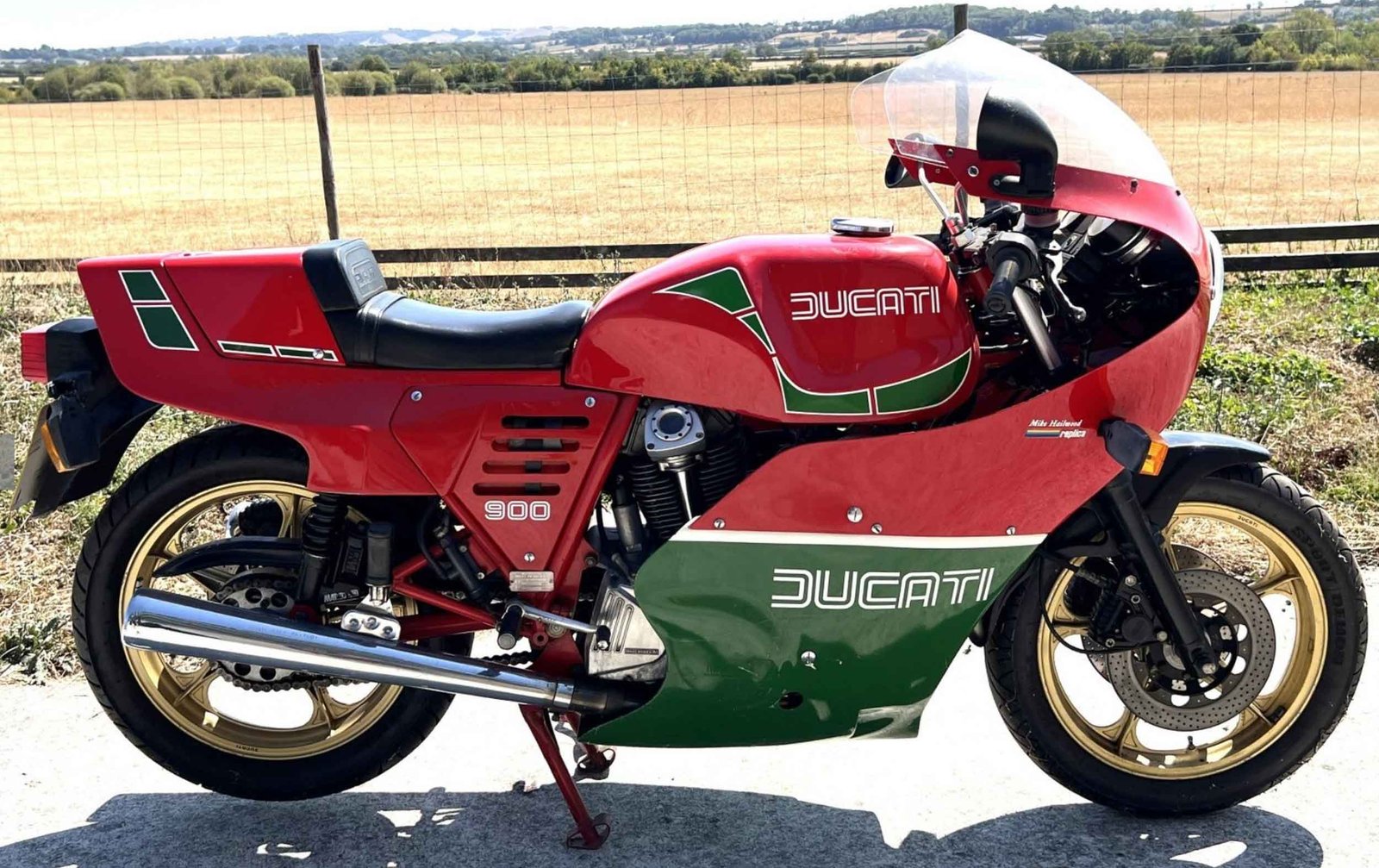
Blimey. Less than the RD400.
The Mike Hailwood Replica owes its existence to one of the greatest sporting comebacks of all time. In 1978, at the age of 38 and after an 11-year absence from the Isle of Man TT, Hailwood returned aboard a Ducati prepared by Manchester’s Sports Motor Cycles and won the Formula One TT.
Ducati capitalised on the victory by launching the road-going replica in 1979, based on the 900 Super Sport, complete with an 864cc bevel-drive, desmodromic V-twin and glorious red, green and white bodywork.
More than 7,000 Hailwood Replicas were sold across the various versions, providing valuable revenue for Ducati at a particularly difficult period in the company’s history.
This is one of the later machines rather than the more collectible early versions. It had covered a recorded 28,091 miles and had been in its owner’s collection since 2013. It requires recommissioning.
Even so, £6,400 for a bevel-drive Ducati with that remarkable sporting heritage? Tempting. Very tempting indeed.
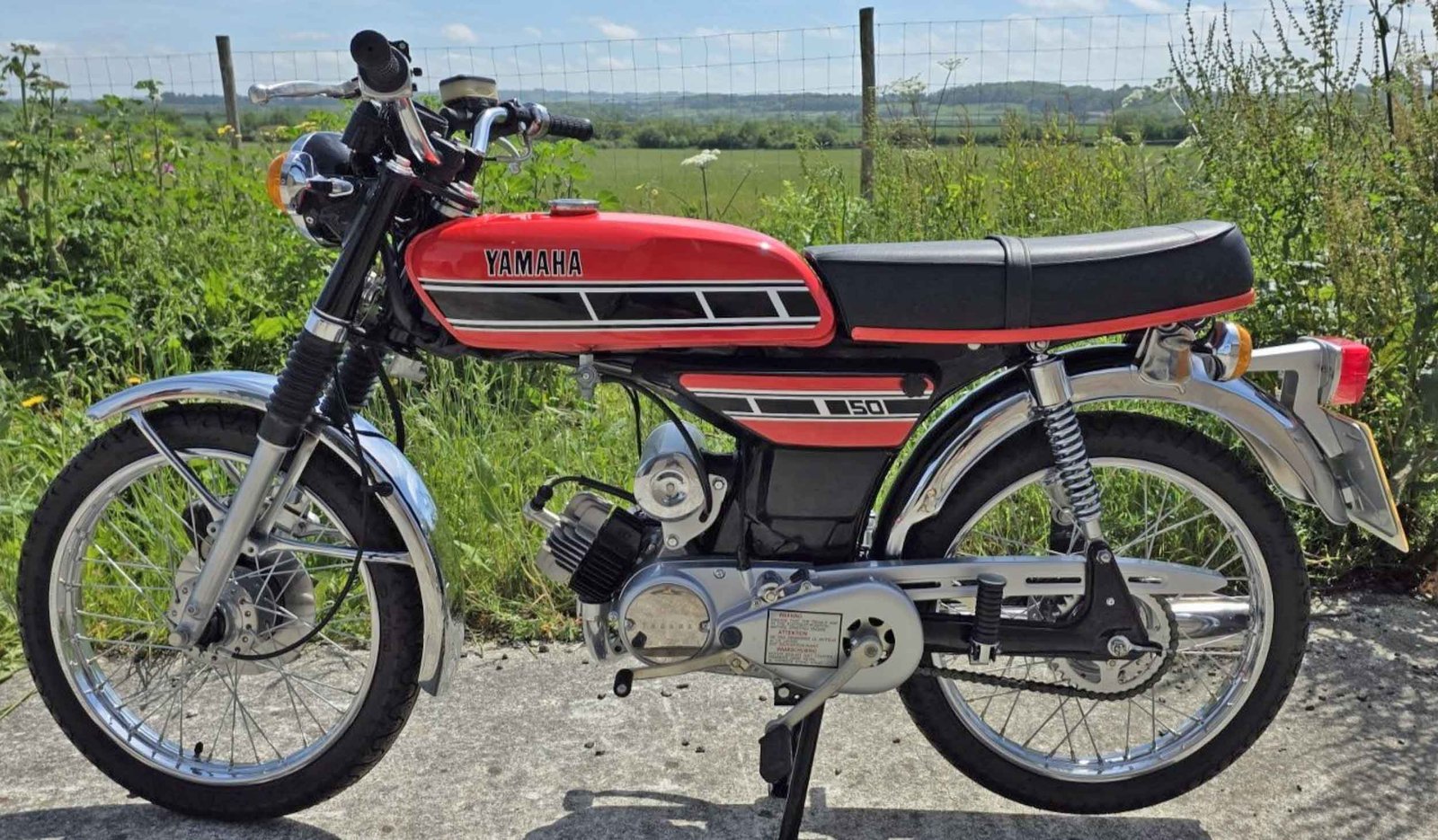
1977 Yamaha FS1 – £3,200
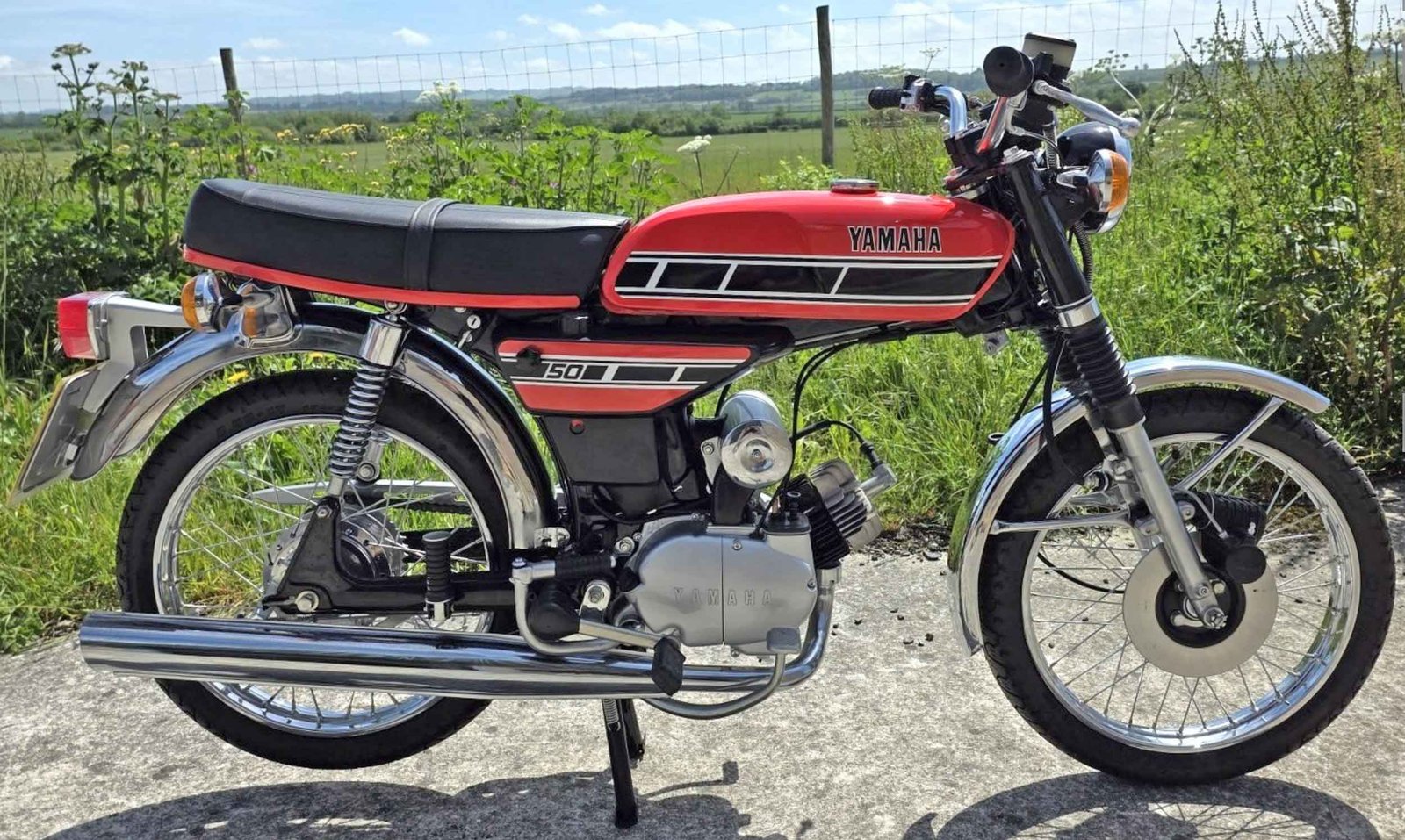
Three thousand two hundred pounds for 50cc. That’s £64 per cubic centimetre, should you wish to measure the financial cost of reliving your adolescence.
The Yamaha FS1-E, affectionately known as the Fizzy, gave thousands of British teenagers their first taste of motorcycling during the 1970s.
The pedals were there to satisfy the legal definition of a moped, rather than because anybody had the slightest intention of cycling anywhere. In August 1977, the regulations changed, restricting new mopeds to 30mph and dispensing with the pedal requirement. The golden age of the sports moped was over.
Strictly speaking, this isn’t an original FS1-E. It’s a Belgian-imported FS1 fitted with a period-correct FS1-E engine and pedals.
It has undergone a complete nut-and-bolt restoration using new old stock parts, including the petrol tank, forks, seat, shock absorbers and speedometer. It was voted best moped at the Bristol Show in 2019 and hasn’t been ridden since restoration.
A strong price considering its origins, but the quality of the restoration clearly appealed.
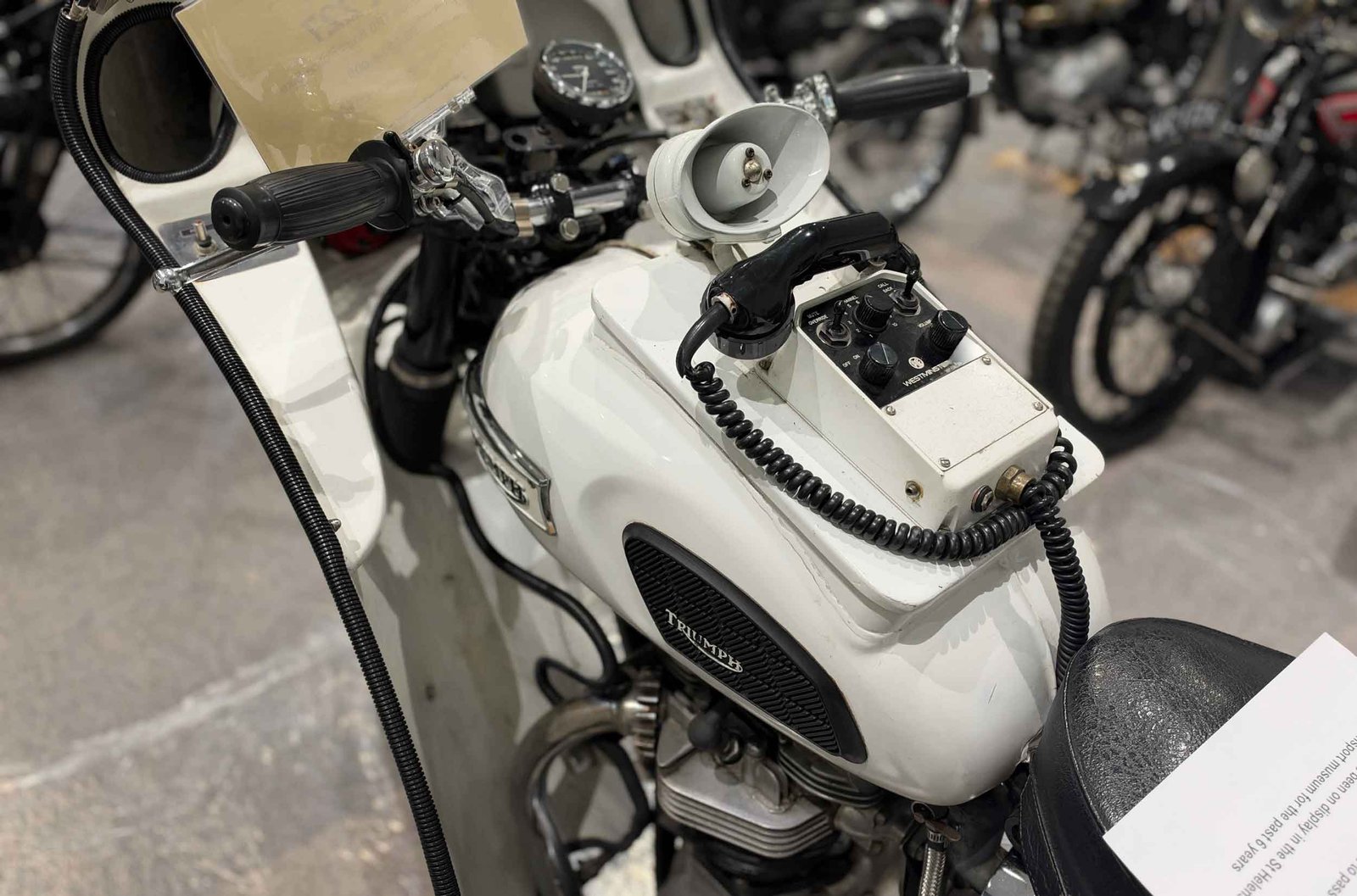
1971 Triumph TR6 Saint police motorcycle – £5,500
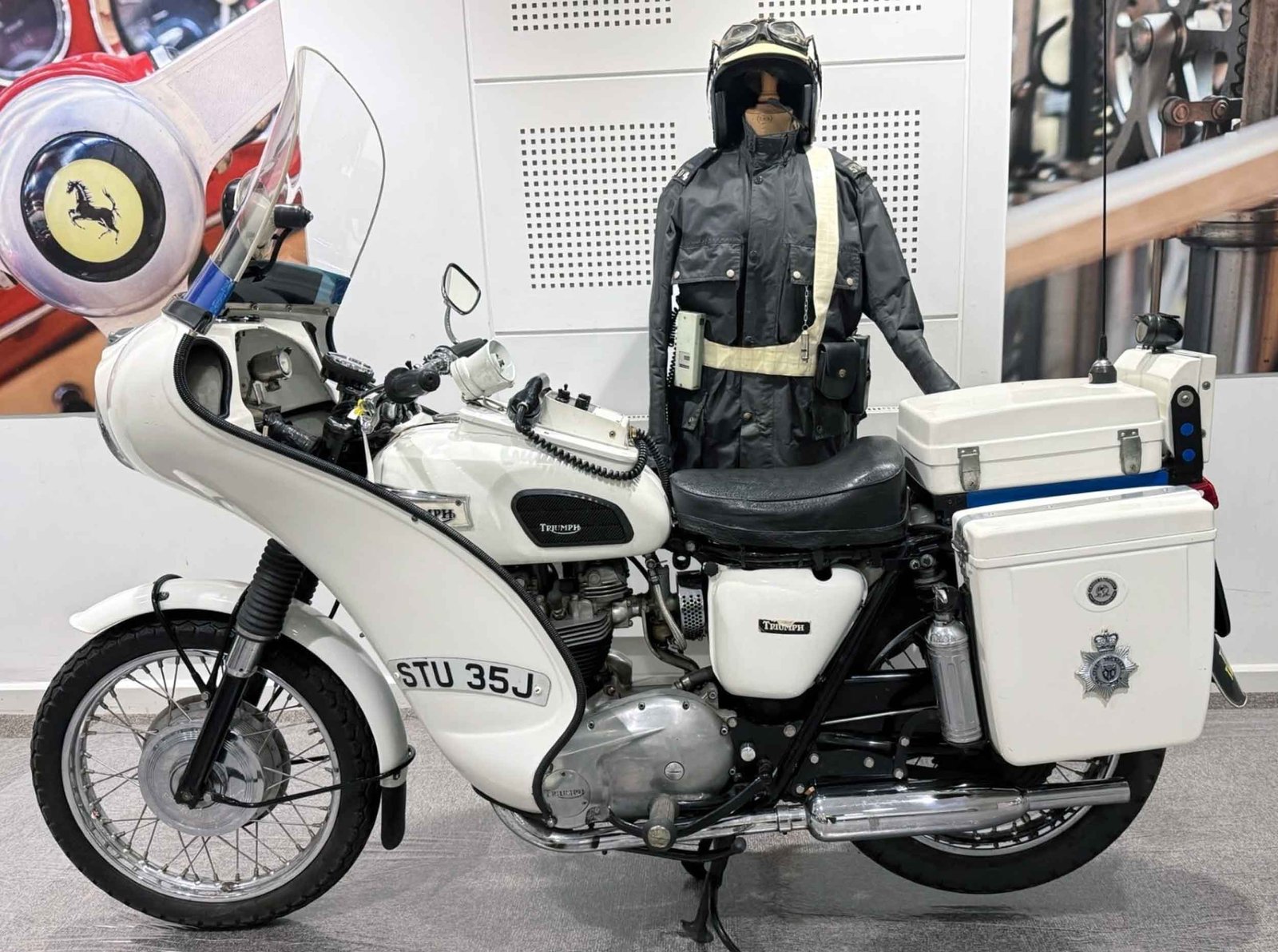
Possibly the most interesting history of any motorcycle in the sale.
The Saint was Triumph’s police-specification 650cc twin, its name derived from ‘Stops Anything In No Time’. Presumably, that referred to the apprehension of villains rather than the performance of its front brake.
This particular Triumph, complete with police equipment, was used by PC John Norbury to escort what was, at the time, the largest load ever transported by road.
Operation Move, in 1970, involved transporting three enormous industrial towers from Birkenhead to Stanlow. The towers measured 80ft by 25ft and the operation involved a 17-mile journey, during which three footbridges, 200 road signs and numerous overhead telephone and electricity wires had to be removed.
And there was PC Norbury on his Triumph.
The motorcycle has been in the same ownership for around 40 years, during which it was completely restored and its engine rebuilt. It spent the past six years on display at the St Helens Transport Museum and comes with period photographs of PC Norbury with the motorcycle.
At £5,500, somebody has acquired not only an unusual Triumph but a fascinating piece of British industrial and social history.
The auction catalogue specifically pointed out that the mannequin was not included. Probably just as well.
What does it tell us about the classic motorcycle market?
Eight motorcycles at one auction hardly constitute a comprehensive market survey, particularly when their condition and restoration standards differ so considerably. Nevertheless, the results make interesting reading.
Traditional post-war British motorcycles appear to offer some excellent value for enthusiasts who actually want to ride them, while beautifully restored Japanese motorcycles can command impressive prices.
There’s also clearly still an appetite for genuine vintage machinery with good provenance, as demonstrated by the Zenith.
But consider this: for the £6,800 paid for the Yamaha RD400, you could have bought both the Norton Dominator and the Triumph Trophy and still had £300 left towards the recommissioning.
Now there’s a dilemma.
Auction results at a glance
| Motorcycle | Hammer price |
| 1927 Zenith 680 | £9,200 |
| 1977 Yamaha RD400 | £6,800 |
| 1985 Ducati 900 Mike Hailwood Replica | £6,400 |
| 1971 Triumph TR6 Saint | £5,500 |
| 1961 Triumph Trophy 650 | £4,500 |
| 1951 Velocette MOV | £3,200 |
| 1977 Yamaha FS1 | £3,200 |
| 1960 Norton Dominator 99 | £2,000 |
Charterhouse Motorcycle Auctions