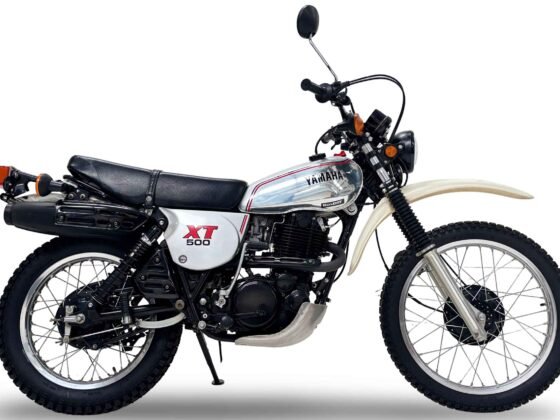
The days of stumbling across a Vincent for the price of a family hatchback are long gone. Prices for the most desirable classics have risen steadily over the last decade, pushing many iconic machines beyond the reach of ordinary enthusiasts.
Fortunately, £5,000 still buys a lot of motorcycle if you’re prepared to look beyond the headline-grabbing auction stars. Whether you’re after a Sunday morning ride, a practical classic to tinker with, or your first step into vintage ownership, there are still some excellent machines available within budget.
Current classified listings and specialist dealers continue to show a healthy selection of British, Japanese and European classics comfortably under the £5,000 mark.
Here are ten classics worth considering.
1 BSA Bantam D7/D14
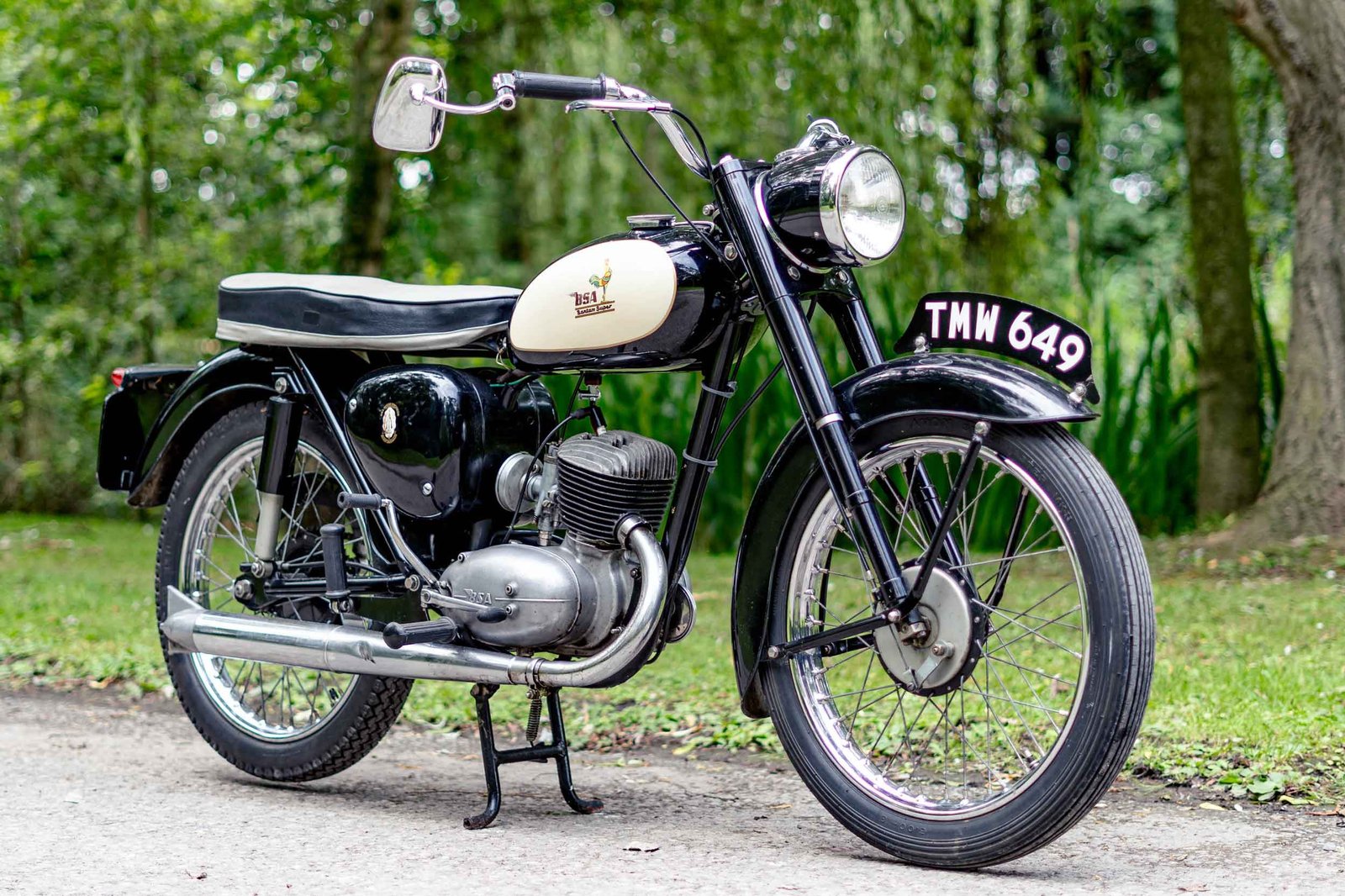
The Bantam remains one of the most accessible classics on the market and for many riders it was their first taste of motorcycling. Originally derived from the German DKW RT125 design acquired after WWII, the Bantam became Britain’s two-wheeled workhorse. Postmen, apprentices, commuters and learners all relied on its simple two-stroke engine and rugged reliability.
The later D7 and D14 models are particularly desirable because they combine the Bantam’s traditional charm with improved performance and practicality. Producing around 10–12bhp from their 175cc engines, they’re never going to trouble modern traffic, but they’ll happily cruise along country lanes at 45–50mph while delivering an authentic vintage riding experience.
What makes the Bantam especially attractive today is its enormous parts availability. Virtually every component is available new, owners’ clubs are active and knowledgeable, and the bike’s straightforward engineering makes it ideal for novice restorers.
A usable D7 can often be found between £2,000 and £3,000, while exceptional examples and rare Bushman variants approach the £5,000 mark.
Why buy one?
- Cheap parts
- Excellent owners’ club support
- Easy home maintenance
- Charming two-stroke character
Watch for:
- Poor wiring
- Worn gear selectors
- Bodged restorations
2 BSA A65
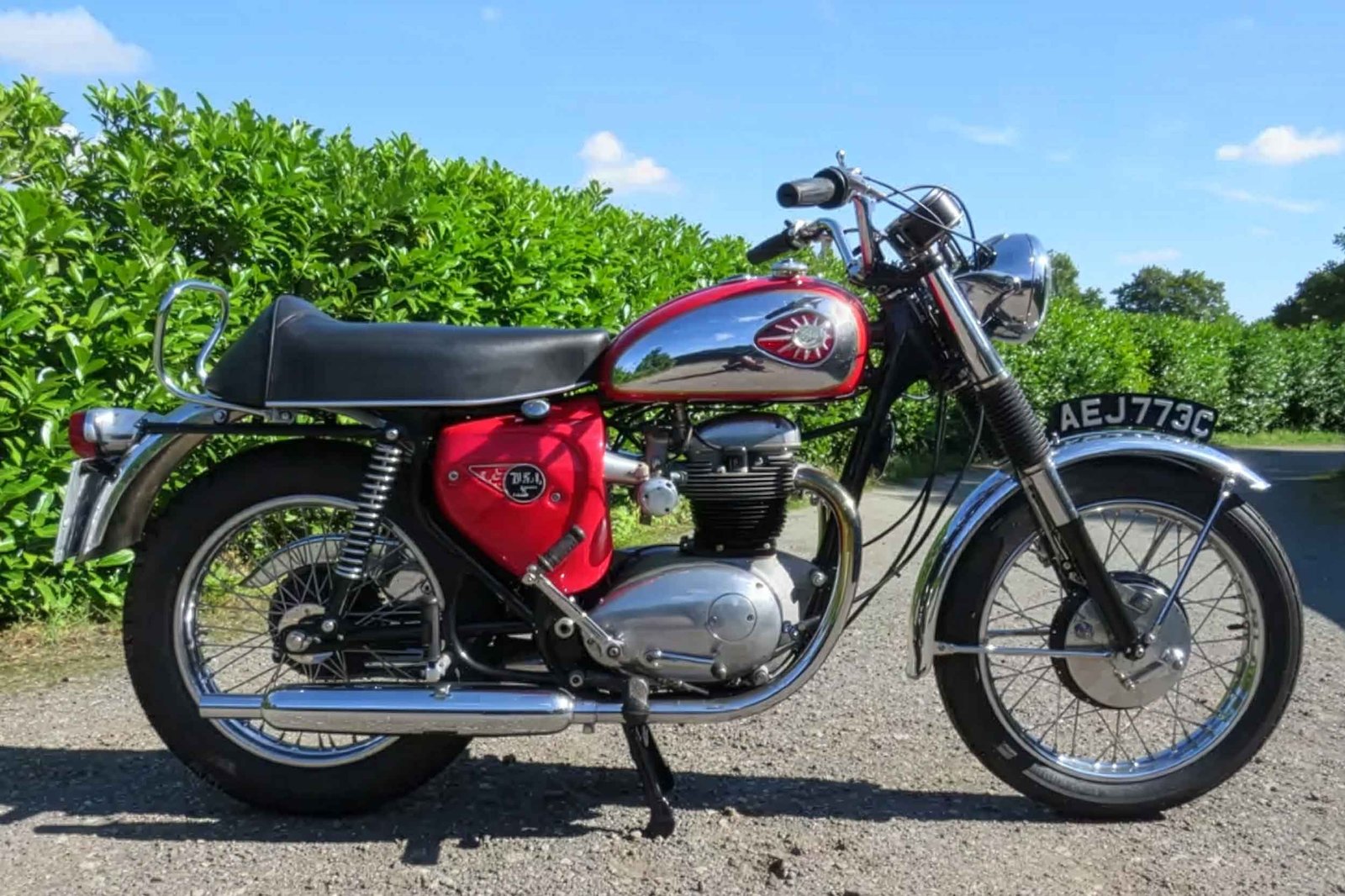
The A65 represents one of the bargains of classic British motorcycling. Introduced in the early 1960s as BSA’s answer to the growing demand for larger-capacity motorcycles, the A65 combined handsome styling with a lively 654cc parallel-twin engine capable of genuine touring and sporting performance.
Available in numerous forms including the Lightning, Thunderbolt, Firebird and Spitfire, the A65 offered something for almost every rider. The Lightning remains particularly sought after thanks to its twin-carburettor setup and sporting character, while the Thunderbolt delivers effortless torque and relaxed cruising.
On the road, the A65 feels every inch the classic British twin. It thumps away with a charismatic exhaust note, pulls strongly through the mid-range and offers enough performance to comfortably keep pace with modern traffic. Unlike many highly prized British classics, values remain surprisingly reasonable, making the A65 one of the most affordable routes into genuine 650cc classic ownership.
Specialists still regard the A65 as one of the strongest values in the classic market, with many good examples available within a £5,000 budget.
Why buy one?
- Strong performance
- Great parts availability
- Classic British twin soundtrack
- Rising enthusiast interest
Watch for:
- Oil leaks
- Crankshaft wear
- Previous amateur engine work
3 Triumph Tiger 90
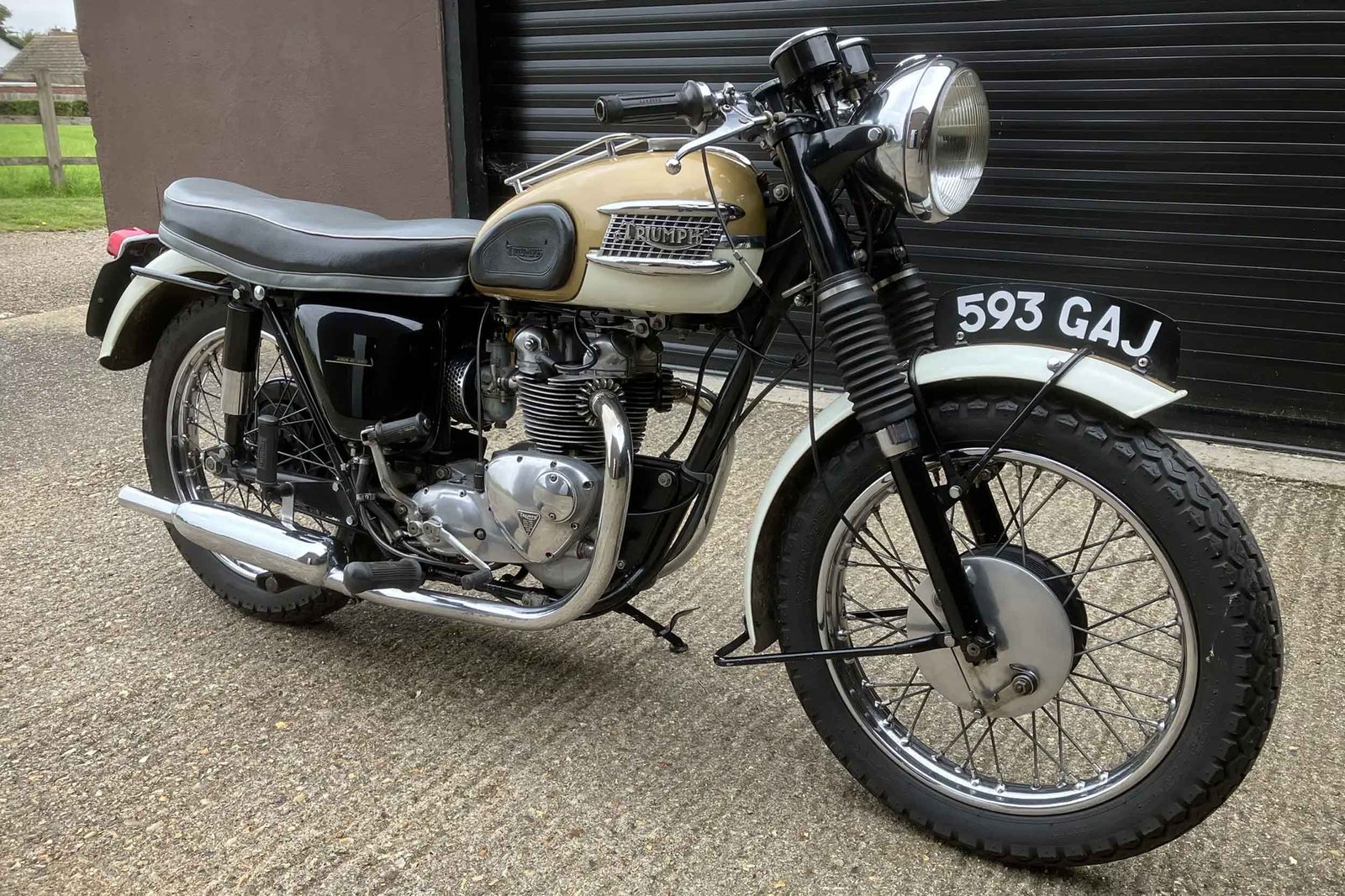
Overshadowed by the Bonneville and Tiger 100, the Tiger 90 remains one of Meriden’s best-kept secrets. Powered by Triumph’s sweet-revving 349cc parallel twin, it offers all the visual appeal of the larger Tigers in a lighter, friendlier package.
Introduced in the 1950s and refined throughout the 1960s, the Tiger 90 developed a reputation for agile handling and dependable performance. Weighing considerably less than its larger siblings, it feels nimble and responsive on winding roads, making it particularly enjoyable for Sunday rides and classic rallies.
The engine is smooth, eager and surprisingly lively for its capacity. While it lacks the outright punch of a Bonneville, many owners argue it delivers a more rewarding riding experience thanks to its willingness to rev and manageable performance.
Because collectors tend to focus on the bigger Triumph twins, Tiger 90 values remain relatively sensible, offering an affordable way into one of Britain’s most iconic motorcycle marques.
Why buy one?
- Classic Triumph styling
- Manageable size
- Pleasant handling
- Less expensive than a Bonneville
Watch for:
- Timing-side oil leaks
- Worn swingarm bushes
- Electrical gremlins
4 Yamaha RD250LC
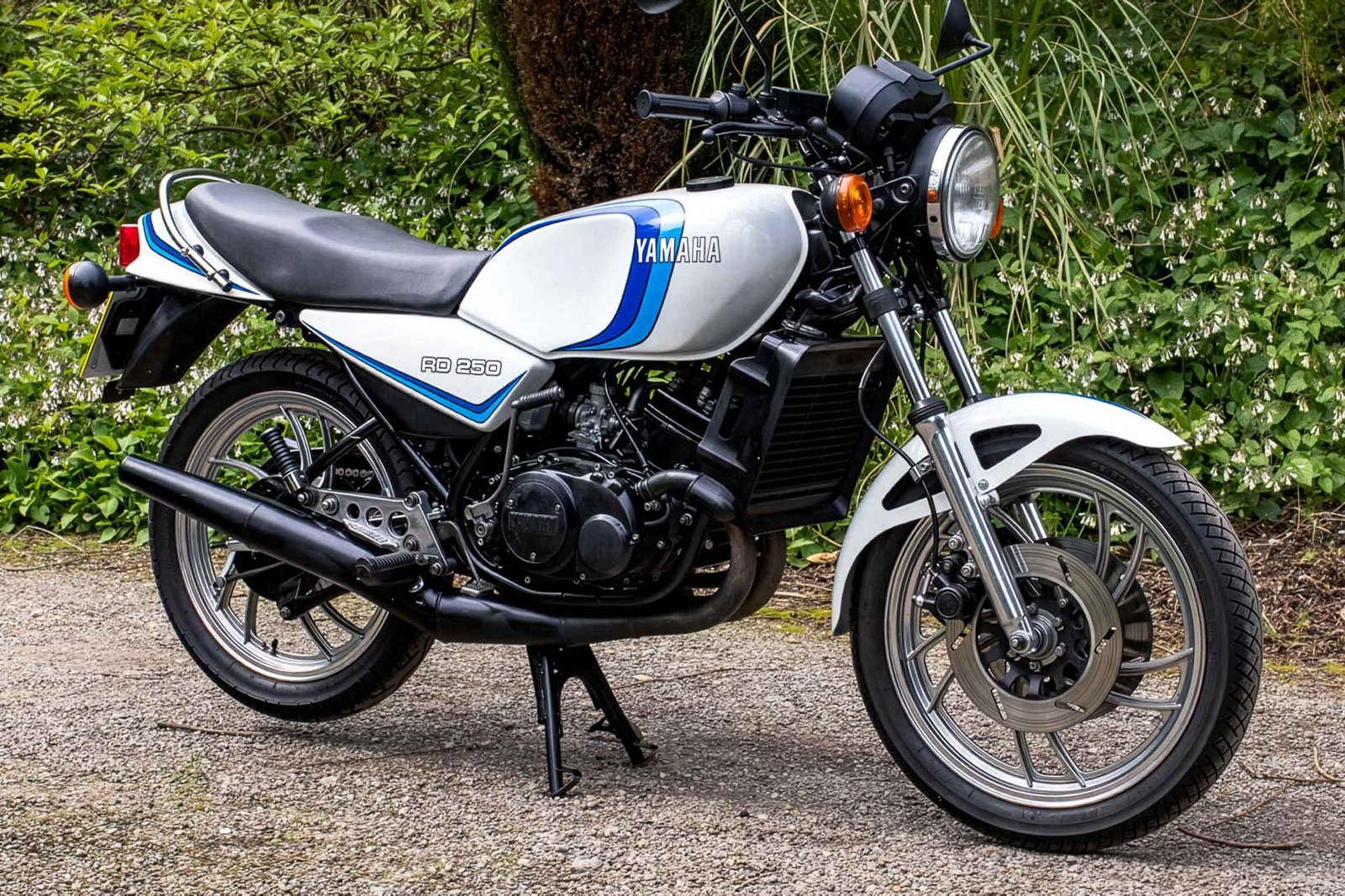
Few motorcycles defined a generation quite like the RD250LC (nicknamed ‘Elsie‘). Arriving in 1980, the liquid-cooled two-stroke rewrote expectations of what a lightweight road bike could do and quickly became the dream machine of countless young riders.
The RD250LC produced around 28bhp, which may not sound remarkable today, but combined with a lightweight chassis and razor-sharp throttle response it delivered genuinely thrilling performance. Once the revs climbed and the powerband arrived, the bike surged forward with the urgency only a two-stroke can provide.
Its racing pedigree, distinctive styling and legendary handling helped cement its place in motorcycle folklore. While pristine RD350LCs now command serious money, the smaller 250 often flies under the radar despite offering much of the same experience.
Ownership is supported by an enthusiastic community and excellent parts availability, although buyers should pay particular attention to engine condition and originality, as many machines have been modified over the years.
Why buy one?
- Iconic status
- Exciting performance
- Huge enthusiast following
- Strong parts availability
Watch for:
- Seized engines
- Crankshaft wear
- Corrosion around the frame
5 Honda CB400 Four
𝟵𝟳𝟳 𝗛𝗼𝗻𝗱𝗮 𝗖𝗕𝟰𝟬𝟬𝗙 𝗦𝘂𝗽𝗲𝗿 𝗦𝗽𝗼𝗿𝘁 𝟰𝟬𝟴𝗰𝗰 Mostly original, UK-registered from new, correct numbers Honda 400 Four
This will be part of the Iconic Auctioneers at the next Kempton Park Motorcycle Jumbles , Saturday 18th July!
🏍️ 𝗢𝘂𝗿 𝗡𝗲𝘅𝘁 𝗘𝘃𝗲𝗻𝘁𝘀… pic.twitter.com/UGuTIwxGww
— ClassicBikeShows (@classicbikeshow) May 25, 2026
One of Honda’s prettiest motorcycles, the CB400 Four remains a masterclass in 1970s engineering. Its jewel-like air-cooled four-cylinder engine, elegant proportions and distinctive four-into-one exhaust system have earned it a devoted following worldwide.
Launched in 1975, the CB400 Four stood apart from rival middleweights by offering the refinement and sophistication normally associated with larger motorcycles. The engine loves to rev, producing a smooth and addictive power delivery accompanied by one of the finest exhaust notes of any small-capacity classic.
The handling is equally impressive. Light steering, predictable manners and excellent build quality make the Honda an easy motorcycle to enjoy even by modern standards. It is one of those rare classics that feels special whether parked in a garage or ridden enthusiastically on a favourite back road.
Prices vary widely depending on originality and condition, but patient buyers can still occasionally find honest examples around the £5,000 mark.
Why buy one?
- Superb engineering
- Reliable ownership
- Beautiful exhaust note
- Strong collector appeal
Watch for:
- Exhaust corrosion
- Camchain wear
- Missing original parts
6 Moto Guzzi V50
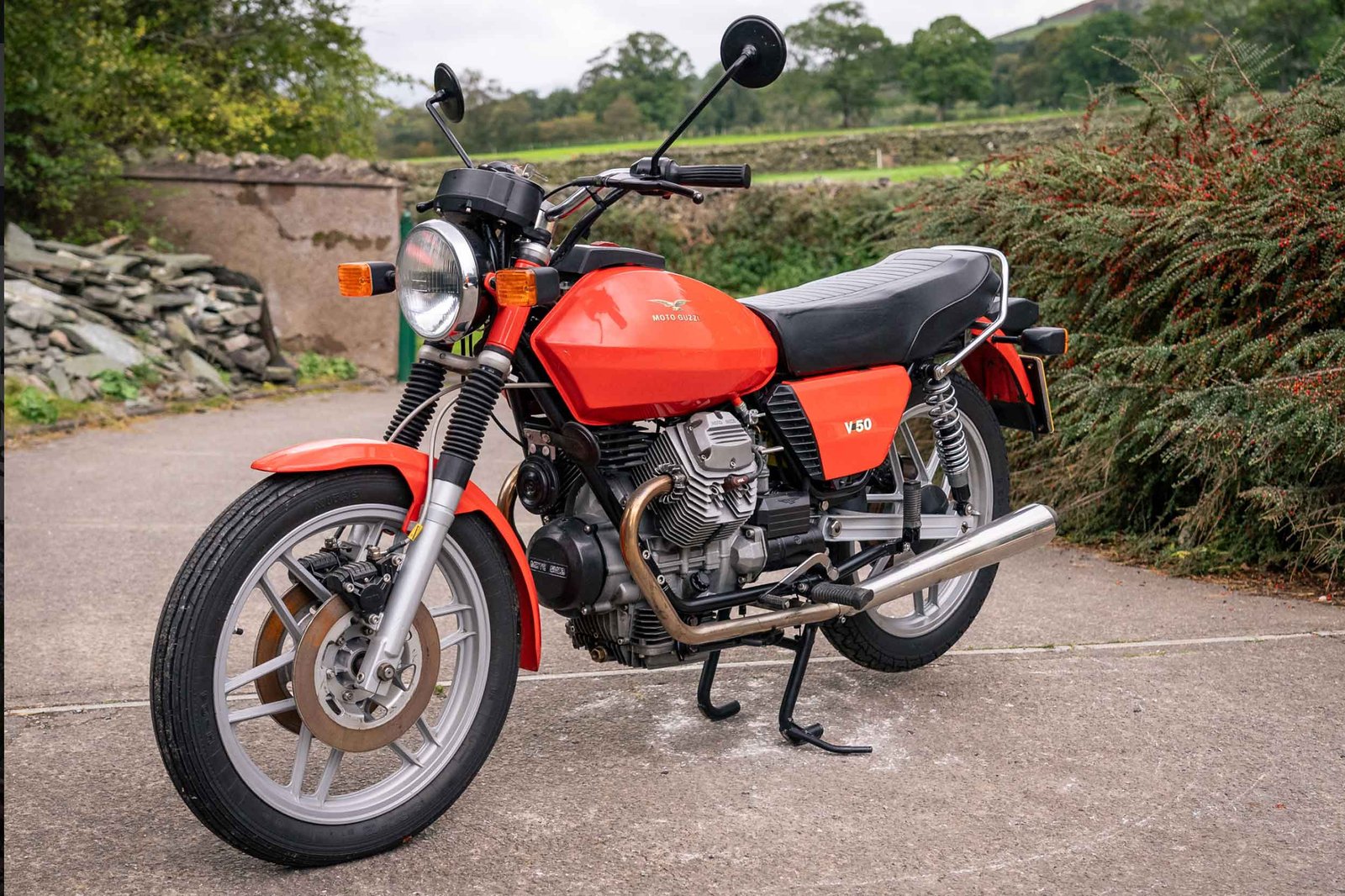
If you fancy something a little different, the Moto Guzzi V50 deserves serious consideration. Introduced in the late 1970s, the V50 brought the firm’s famous transverse V-twin layout to a smaller-capacity platform while retaining all the character that makes a Guzzi unmistakable.
Its 490cc engine sits proudly across the frame with the cylinders protruding into the airflow, creating a look unlike anything from Britain or Japan. Add shaft drive, a robust five-speed gearbox and traditional Italian styling, and the result is a motorcycle packed with personality.
Despite its modest capacity, the V50 is a capable all-rounder. It handles well, cruises comfortably and rewards riders with the distinctive pulse and torque delivery that have become Moto Guzzi trademarks. Parts support remains good through specialist suppliers, while values remain surprisingly affordable compared with larger Le Mans and California models.
For riders seeking individuality without complexity, the V50 offers one of the most appealing packages in the classic market.
Why buy one?
- Distinctive engineering
- Comfortable touring ability
- Reliable mechanicals
- Affordable entry into Moto Guzzi ownership
Watch for:
- Charging system issues
- Corroded wiring
- Neglected maintenance
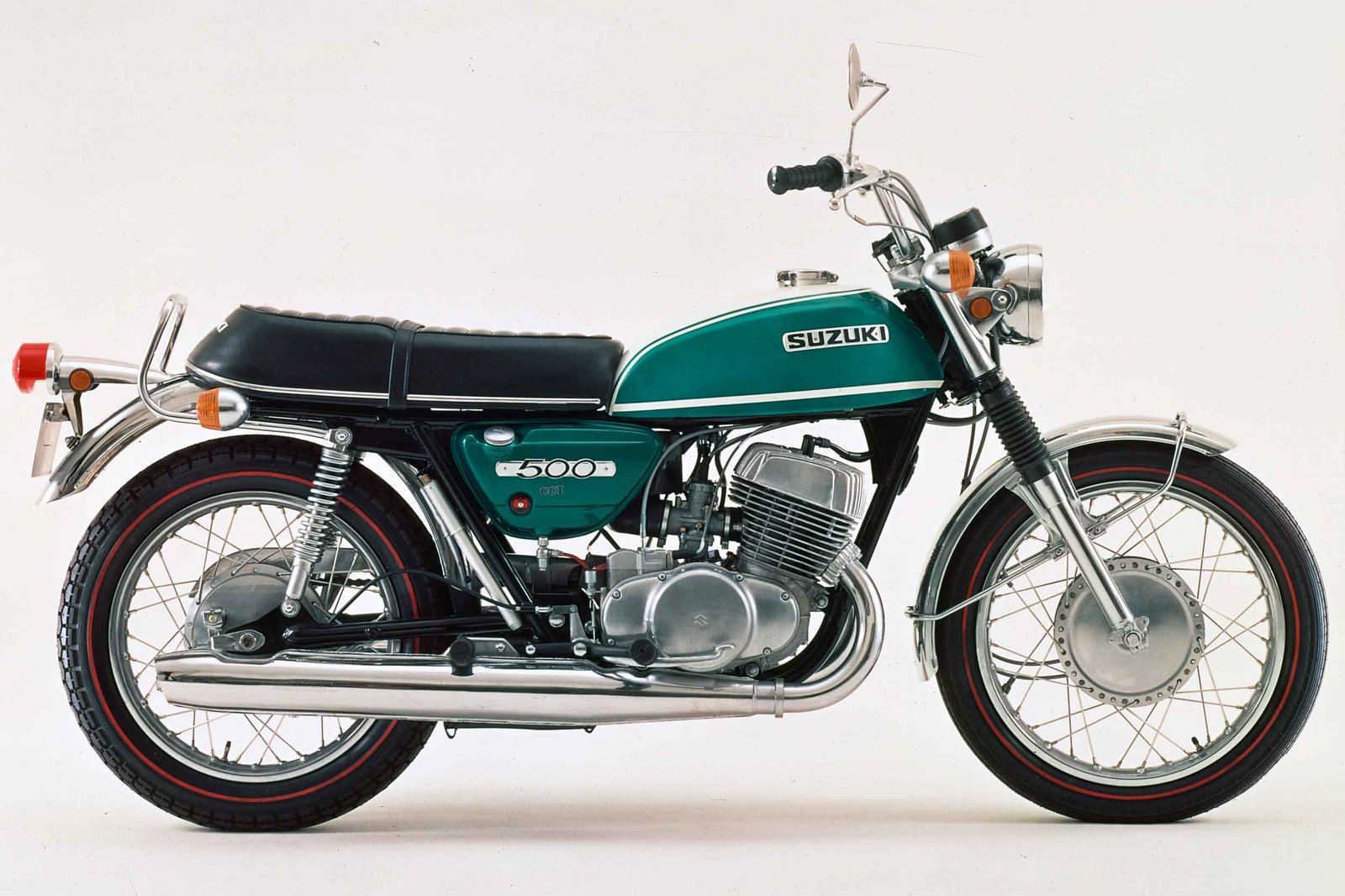
7 Suzuki T500
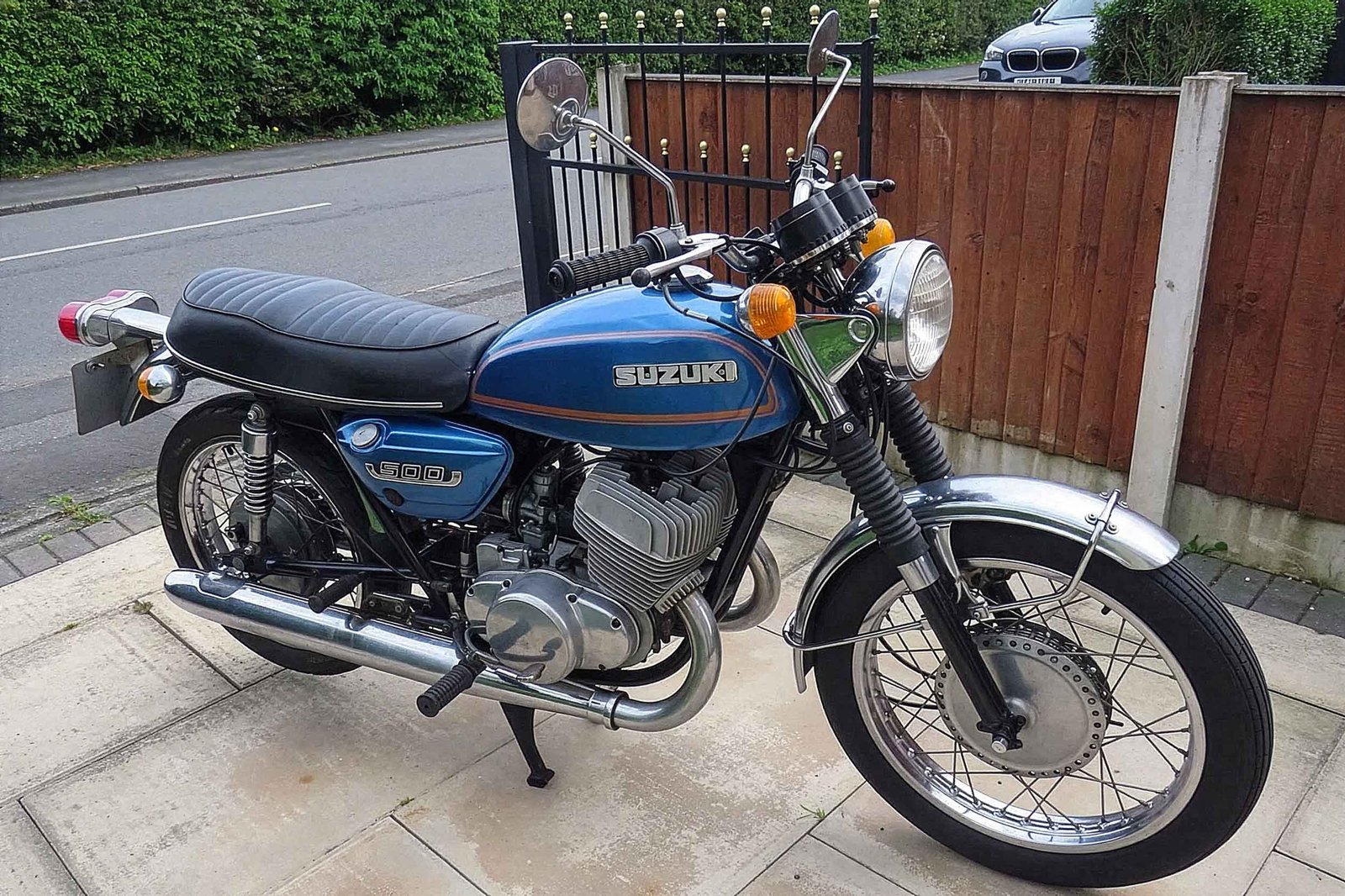
Known affectionately as the Titan, Suzuki’s T500 is one of the great unsung heroes of the two-stroke era. Introduced in 1968, it paired a large-capacity parallel-twin engine with reliability and practicality that many contemporary rivals struggled to match.
Producing around 47bhp, the T500 delivered impressive performance for its day while remaining remarkably civilised. Unlike many highly-strung two-strokes, it was designed with touring in mind, offering comfortable ergonomics, excellent fuel range and a reputation for mechanical durability.
The engine’s broad spread of torque makes it easy to ride, while the distinctive exhaust note and unmistakable blue haze provide all the sensory theatre classic enthusiasts crave. The Titan’s combination of usability and character has helped values steadily rise in recent years, although it still represents excellent value compared with many British contemporaries.
Good examples remain attainable and often offer better value than comparable British machines.
Why buy one?
- Strong engine
- Excellent touring ability
- Distinctive two-stroke character
- Growing appreciation
Watch for:
- Crank seals
- Exhaust corrosion
- Ageing suspension
8 Ariel Fieldmaster
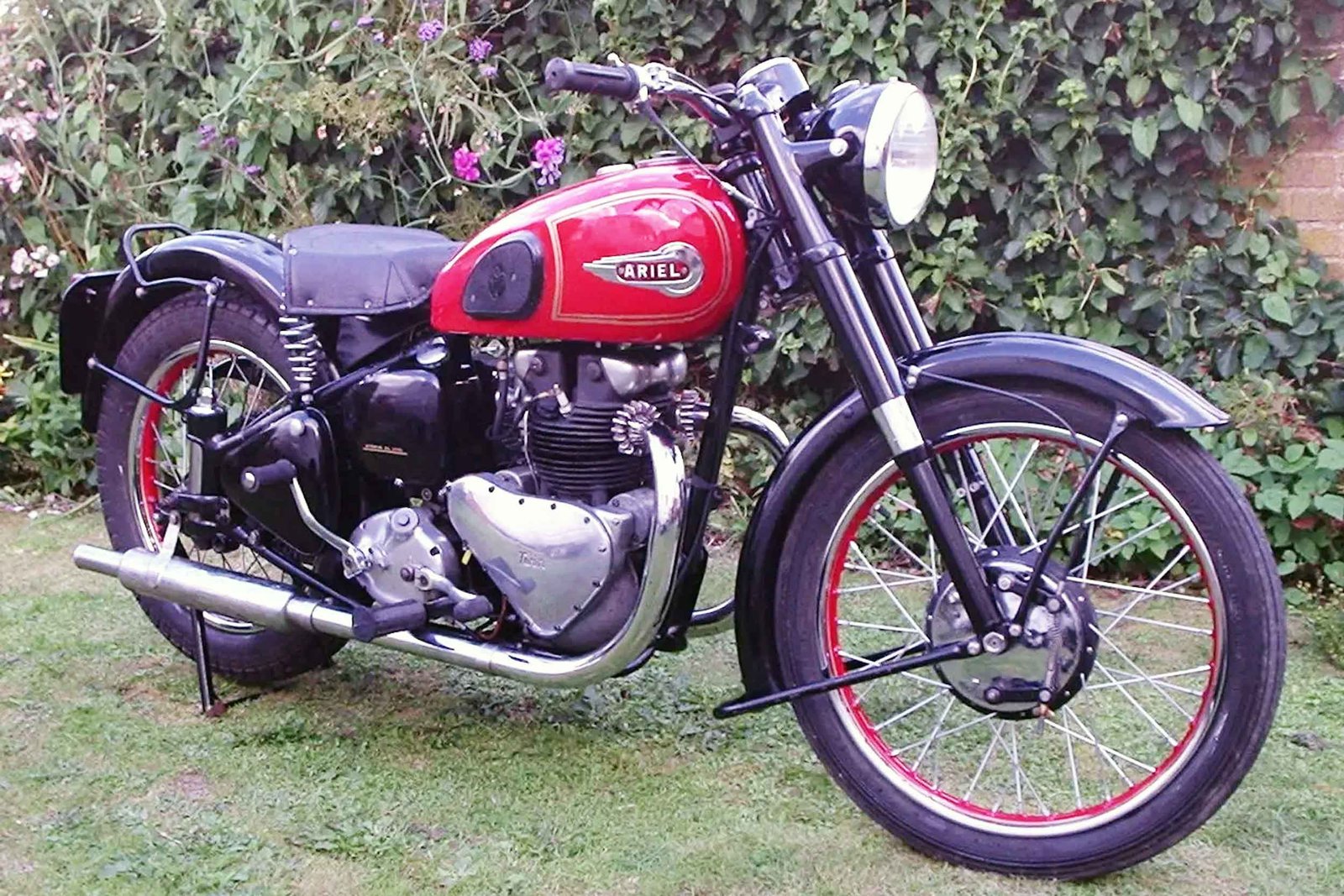
The Ariel name still carries enormous affection among British enthusiasts, and the Fieldmaster offers an affordable way to experience the marque’s rich heritage. Introduced in the 1950s, it was designed as a practical, dependable motorcycle for everyday use rather than outright performance.
Powered by a simple overhead-valve single-cylinder engine, the Fieldmaster delivers exactly the sort of relaxed riding experience many classic owners seek. Progress is measured rather than rapid, but the bike’s comfortable riding position, easy-going nature and unmistakable vintage character make every journey enjoyable.
The machine’s straightforward construction also appeals to home mechanics. Most maintenance tasks can be tackled with basic tools, and owners’ clubs provide excellent support and advice.
While it may lack the glamour of Ariel’s famous Square Four, the Fieldmaster compensates with affordability, usability and genuine 1950s charm.
Why buy one?
- Traditional British engineering
- Comfortable riding position
- Strong club support
- Attractive pricing
Watch for:
- Magneto condition
- Oil leaks
- Worn suspension components
9 BMW R80 Monolever
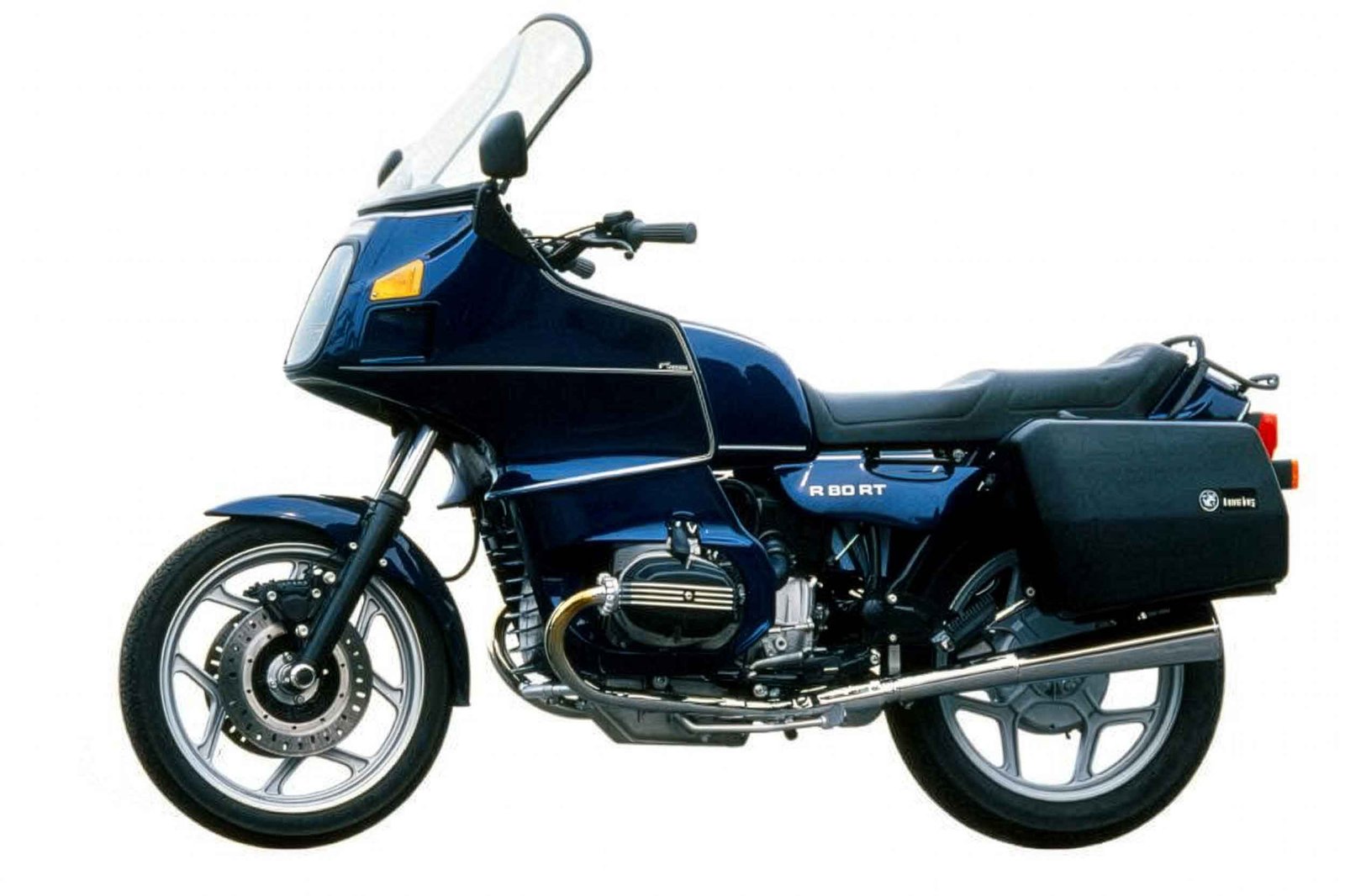
Older air-cooled BMW twins remain among motorcycling’s greatest long-distance machines, and the R80 Monolever is perhaps one of the most sensible classics you can buy. Introduced during the 1980s, it combined BMW’s legendary engineering with a simplified single-sided swingarm rear suspension system that improved handling and reduced maintenance.
Its 797cc boxer twin delivers smooth, effortless torque and an almost indestructible reputation when properly maintained. Many examples have covered well over 100,000 miles, yet continue to provide reliable service decades later.
The riding position is supremely comfortable, making the R80 equally happy crossing continents or tackling a leisurely Sunday ride. Servicing is straightforward thanks to the exposed cylinder heads, while parts availability remains excellent through BMW specialists.
Higher-mileage examples frequently fall within budget, making the R80 one of the most practical classics on this list.
Why buy one?
- Superb reliability
- Easy servicing
- Excellent touring credentials
- Strong aftermarket support
Watch for:
- Driveshaft wear
- Gearbox bearings
- Charging system faults
10 Kawasaki W650
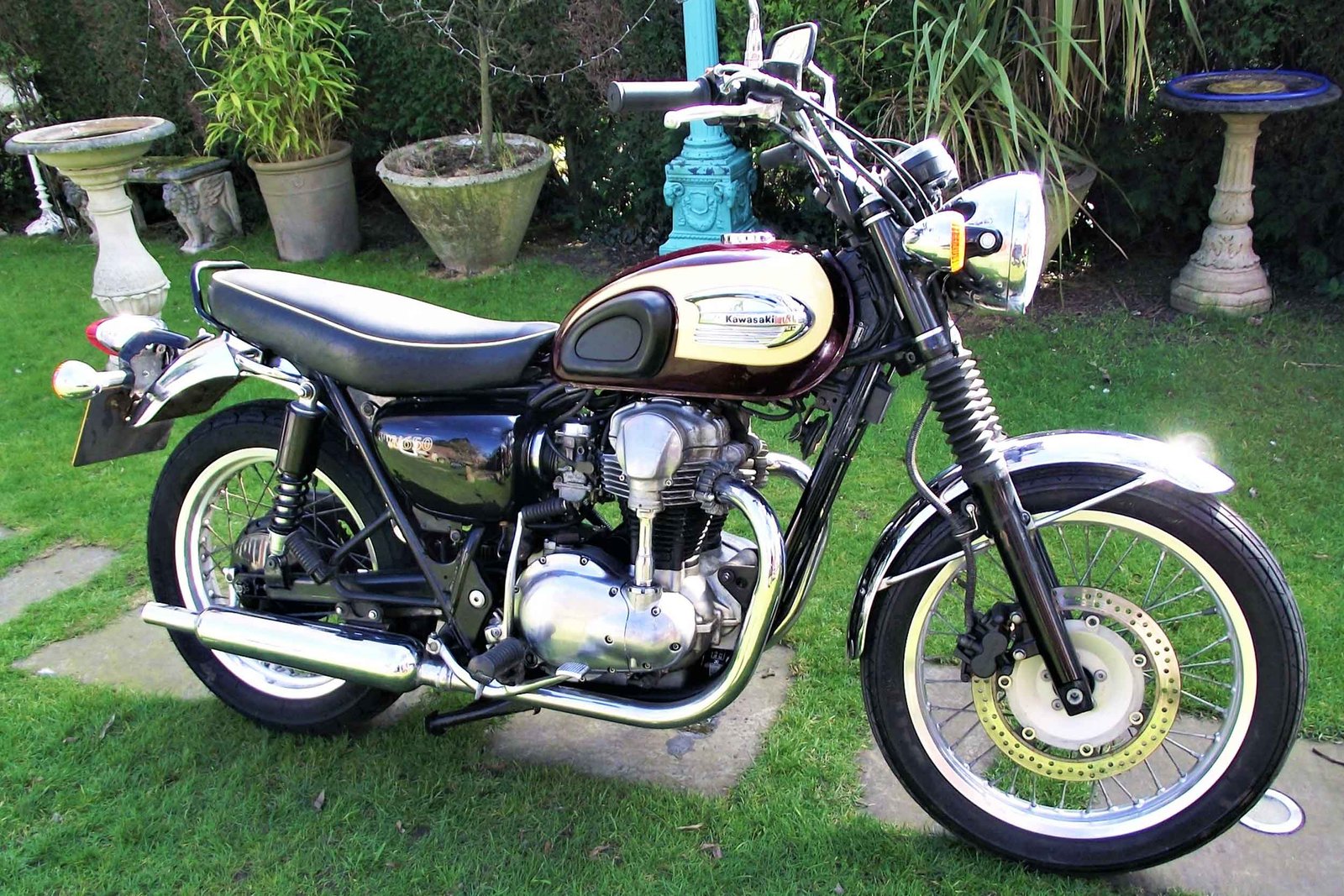
Although technically a modern classic, the W650 captures the spirit of a 1960s British twin more convincingly than many genuine British twins. Introduced in 1999, it pays homage to Kawasaki’s own W-series machines of the 1960s while incorporating modern engineering and reliability.
At its heart lies a beautifully engineered 676cc parallel twin featuring bevel-driven overhead camshafts, a wonderfully unusual feature rarely seen on modern motorcycles. The engine delivers a relaxed spread of torque, a pleasing exhaust note and enough performance for effortless everyday riding.
The styling is superb, from the polished engine cases and wire wheels to the traditional fuel tank and chrome mudguards. Unlike many older classics, the W650 starts at the push of a button and requires little more than routine servicing.
For riders who love the look and feel of vintage motorcycles but prefer modern dependability, the W650 may be one of the smartest buys currently available under £5,000.
Why buy one?
- Electric start
- Reliable ownership
- Traditional styling
- Everyday usability
Watch for:
- Exhaust corrosion
- Neglected service history
- Cosmetic wear
Final Thought
The classic motorcycle market may have become more expensive, but £5,000 still opens the door to a surprisingly broad range of machines. The trick is to buy the best example you can afford, prioritise condition over rarity, and leave a little money in reserve for the inevitable fettling that every classic eventually demands. After all, half the pleasure of old motorcycles lies in the time spent in the shed with a mug of tea and oily hands.