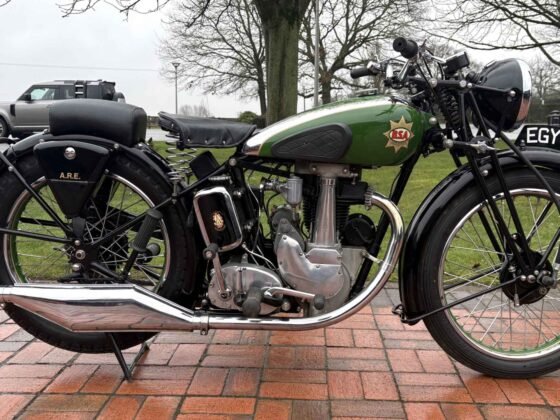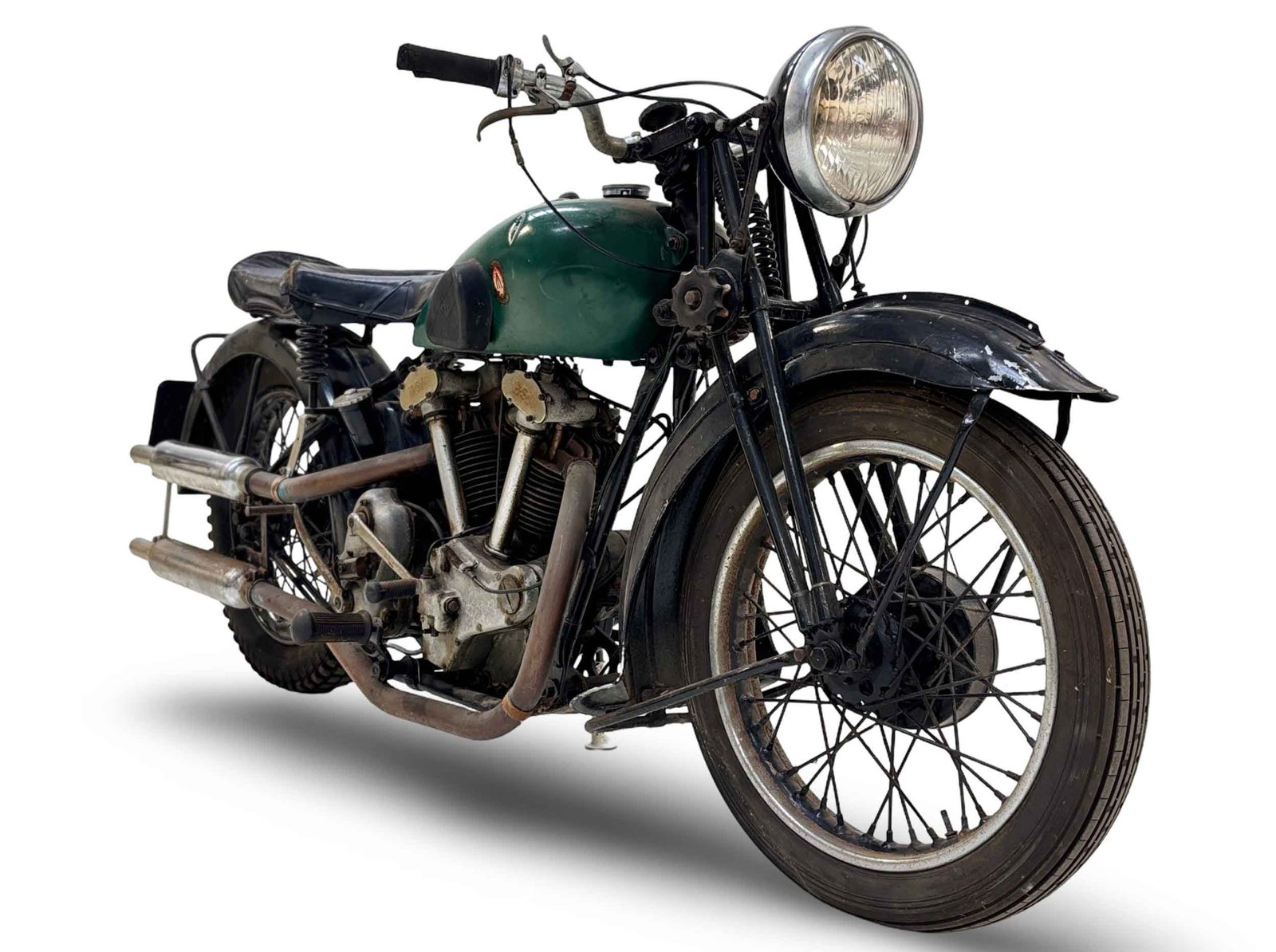
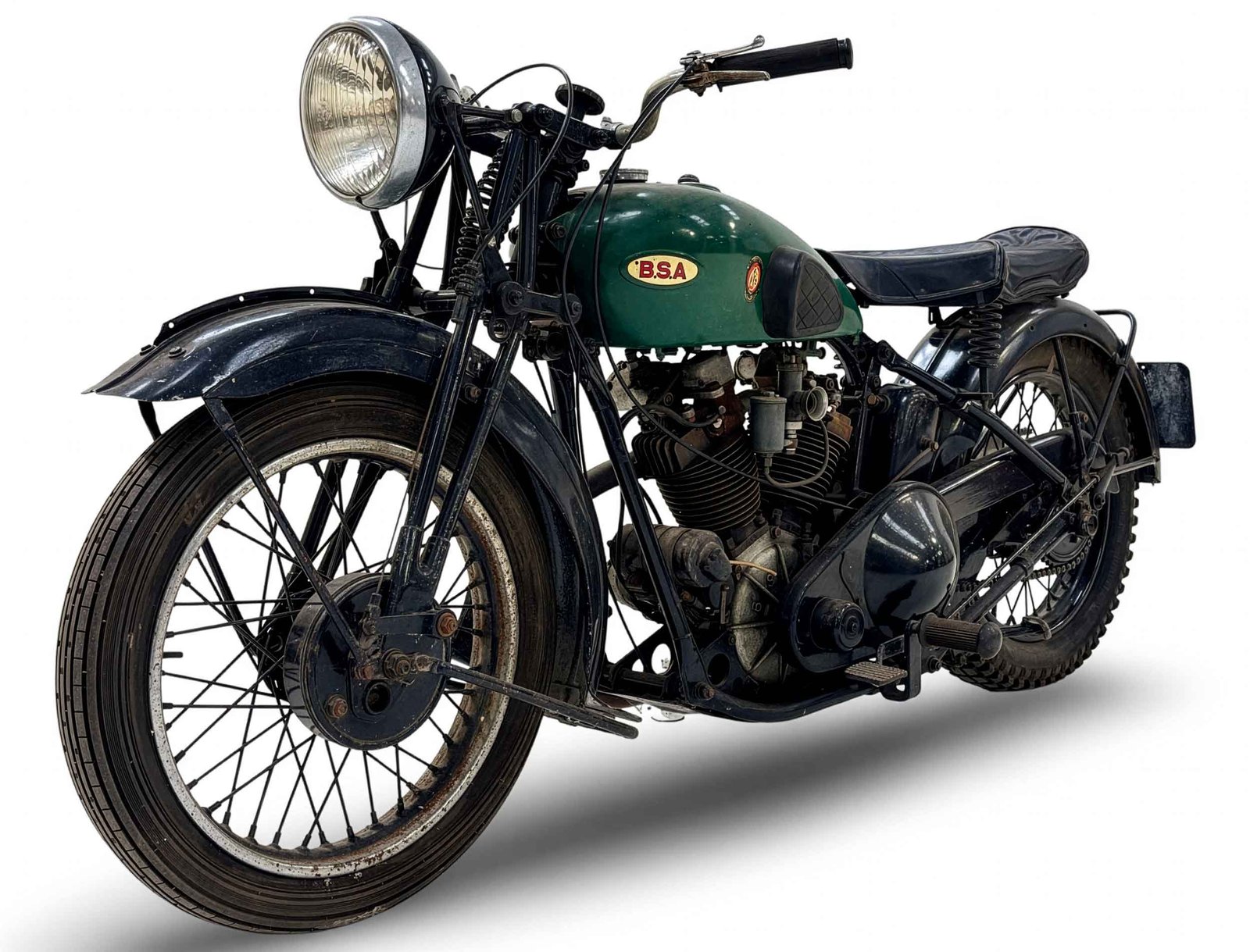
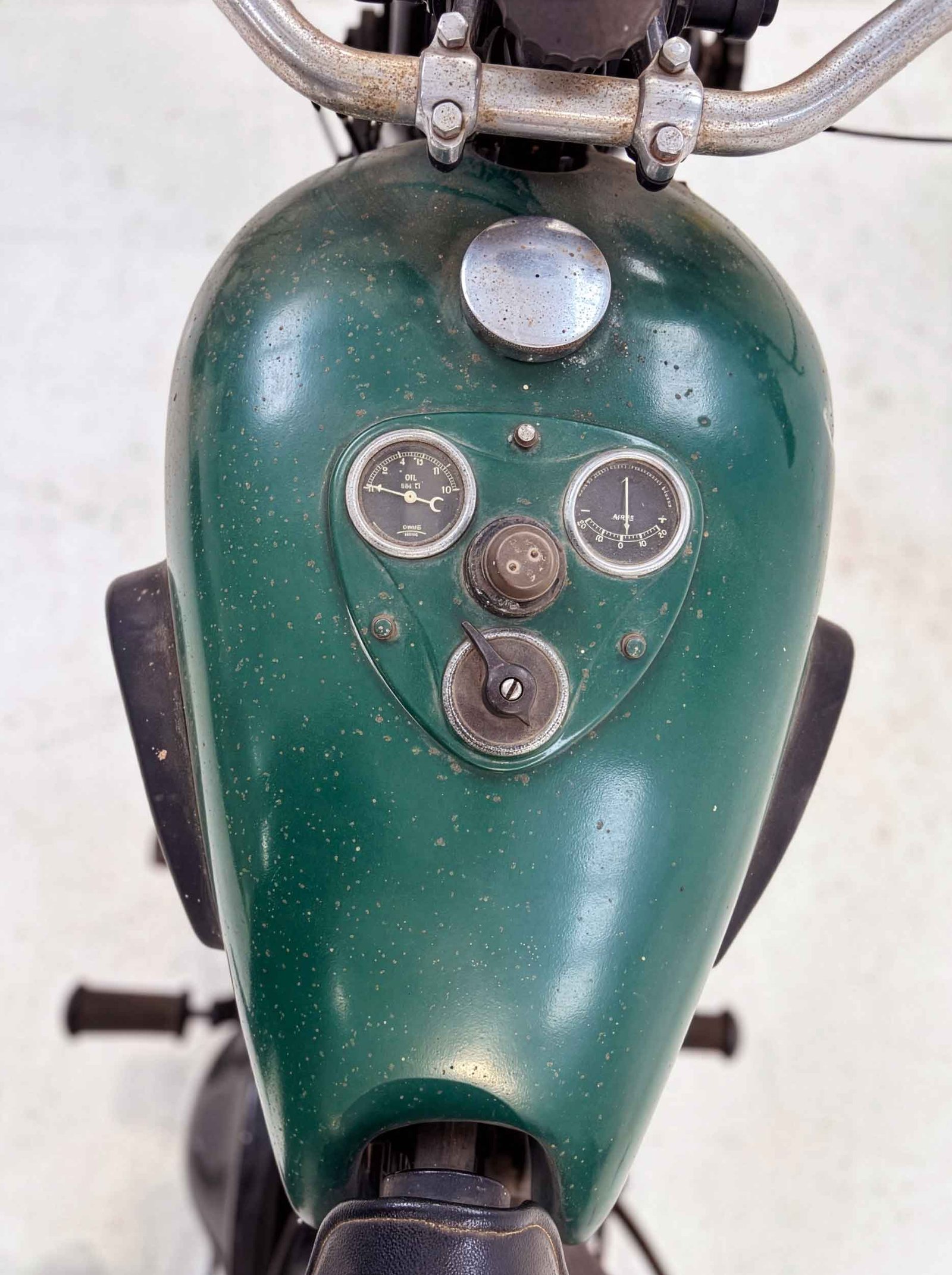
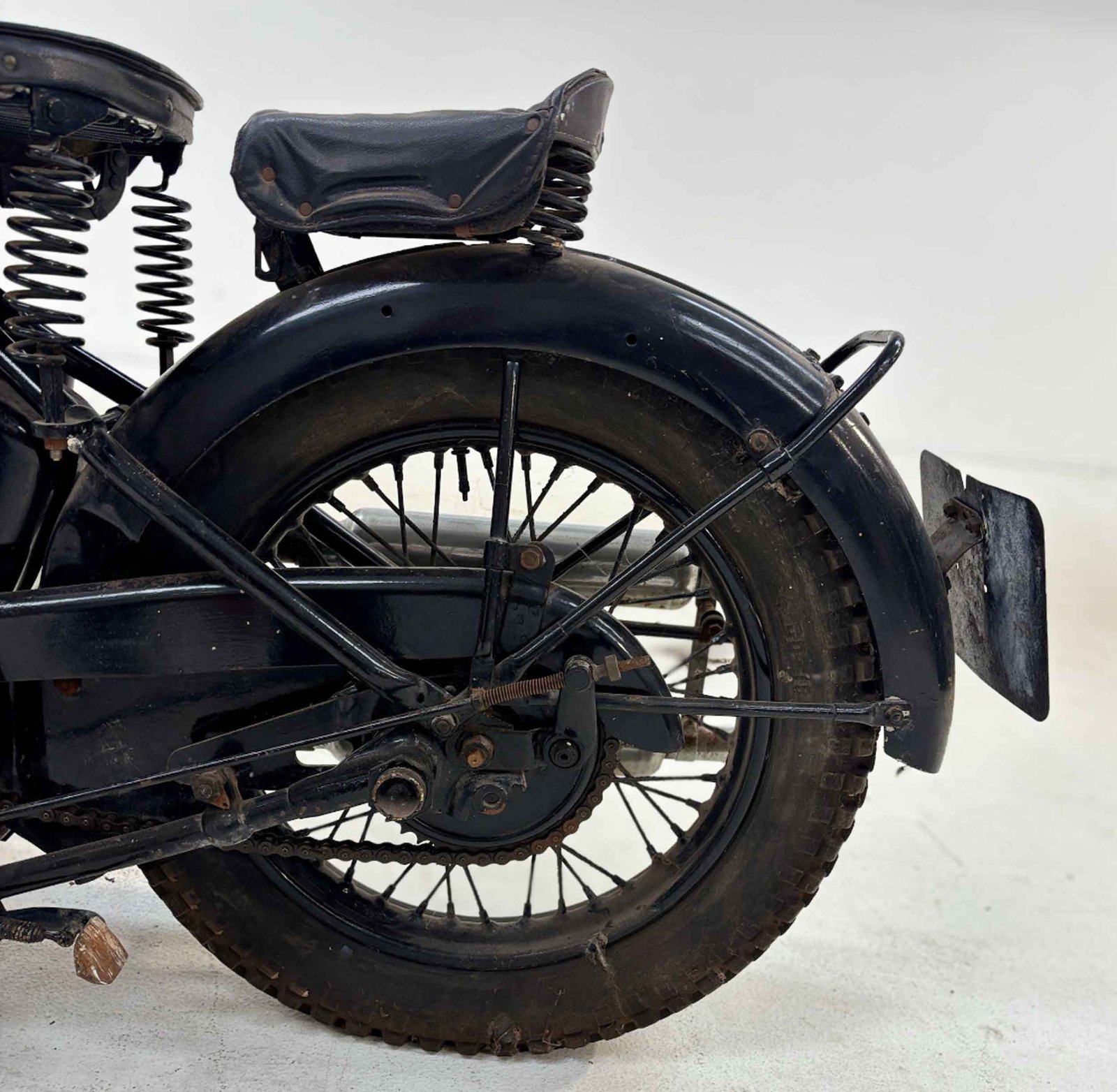
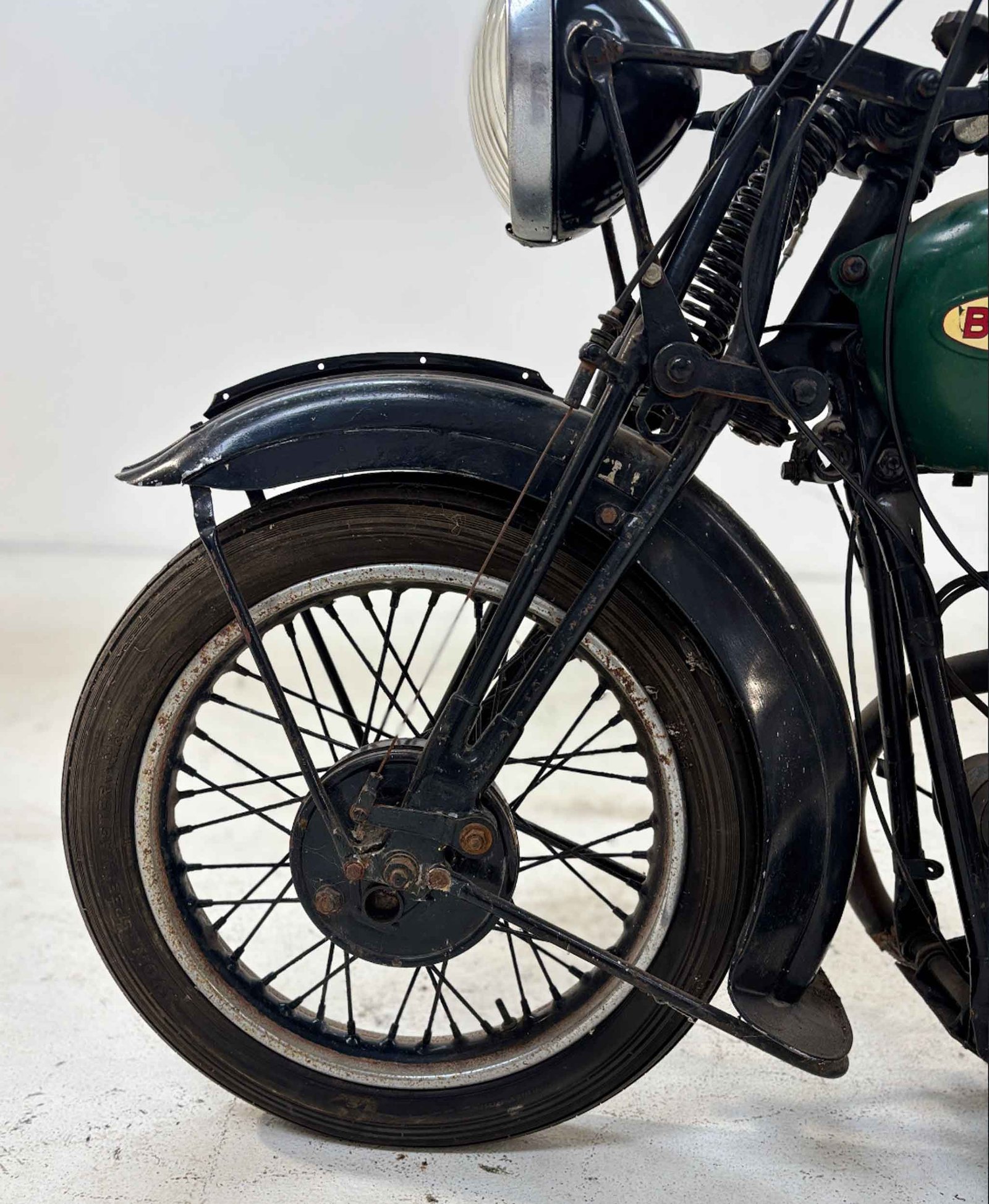
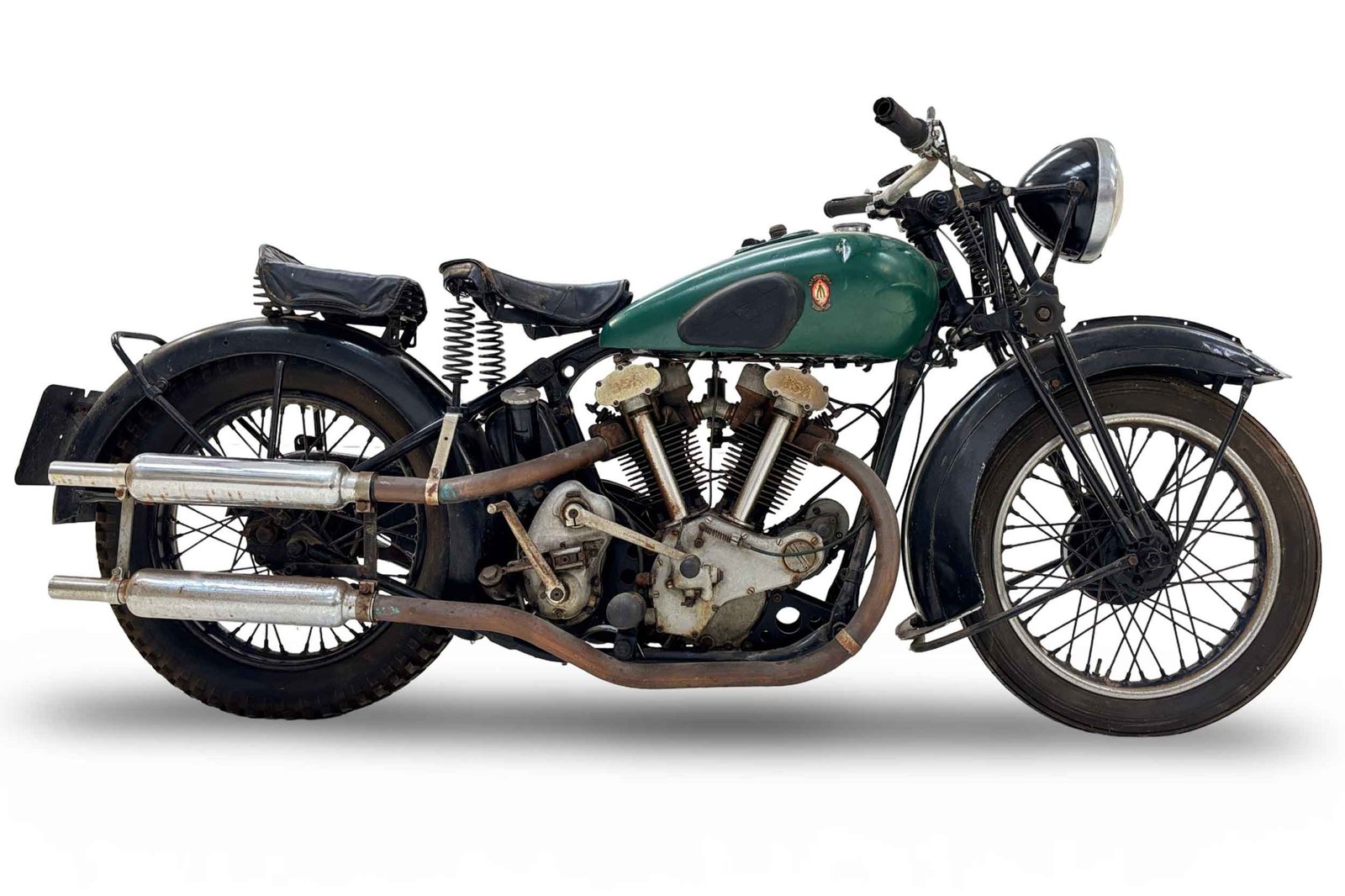
If you spot a V-twin wearing a BSA badge it’s almost certainly going to be a BSA Y13. Go and have a closer look – it’s a rare piece of history and a highly collectable motorcycle.
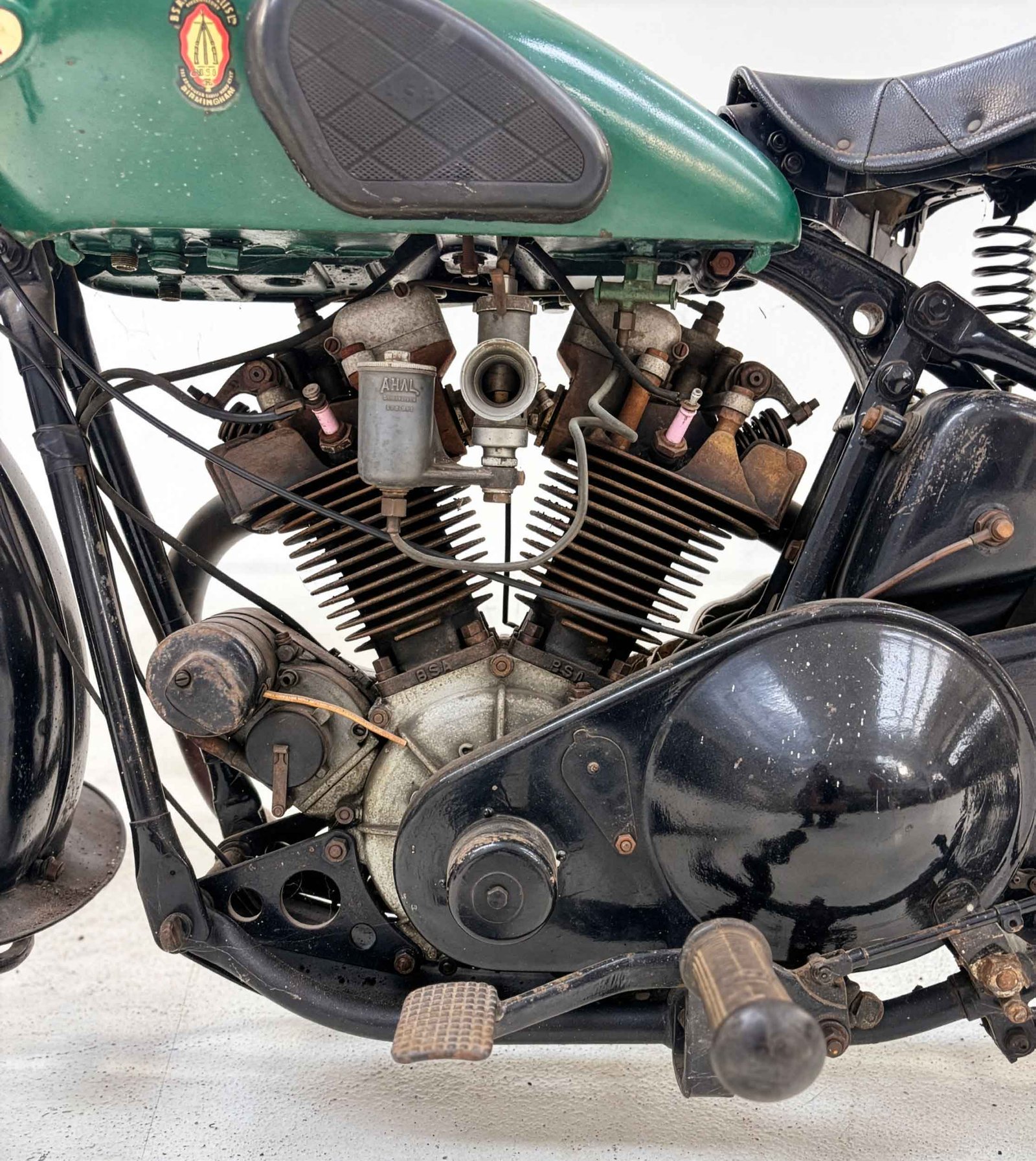
Produced for just three years between 1936 and 1938, the 750cc overhead-valve V-twin is one of the most desirable pre-war BSAs ever built. While Birmingham Small Arms is often remembered for its dependable singles, the Y13 represents a fascinating moment when the company experimented with something a little more ambitious.
At first glance, the Y13 has all the hallmarks of a classic British V-twin. The long, elegant fuel tank, the twin saddle arrangement and the purposeful stance give it an unmistakable presence. Yet beneath the handsome styling lies a story that is rather more unusual than many enthusiasts realise.
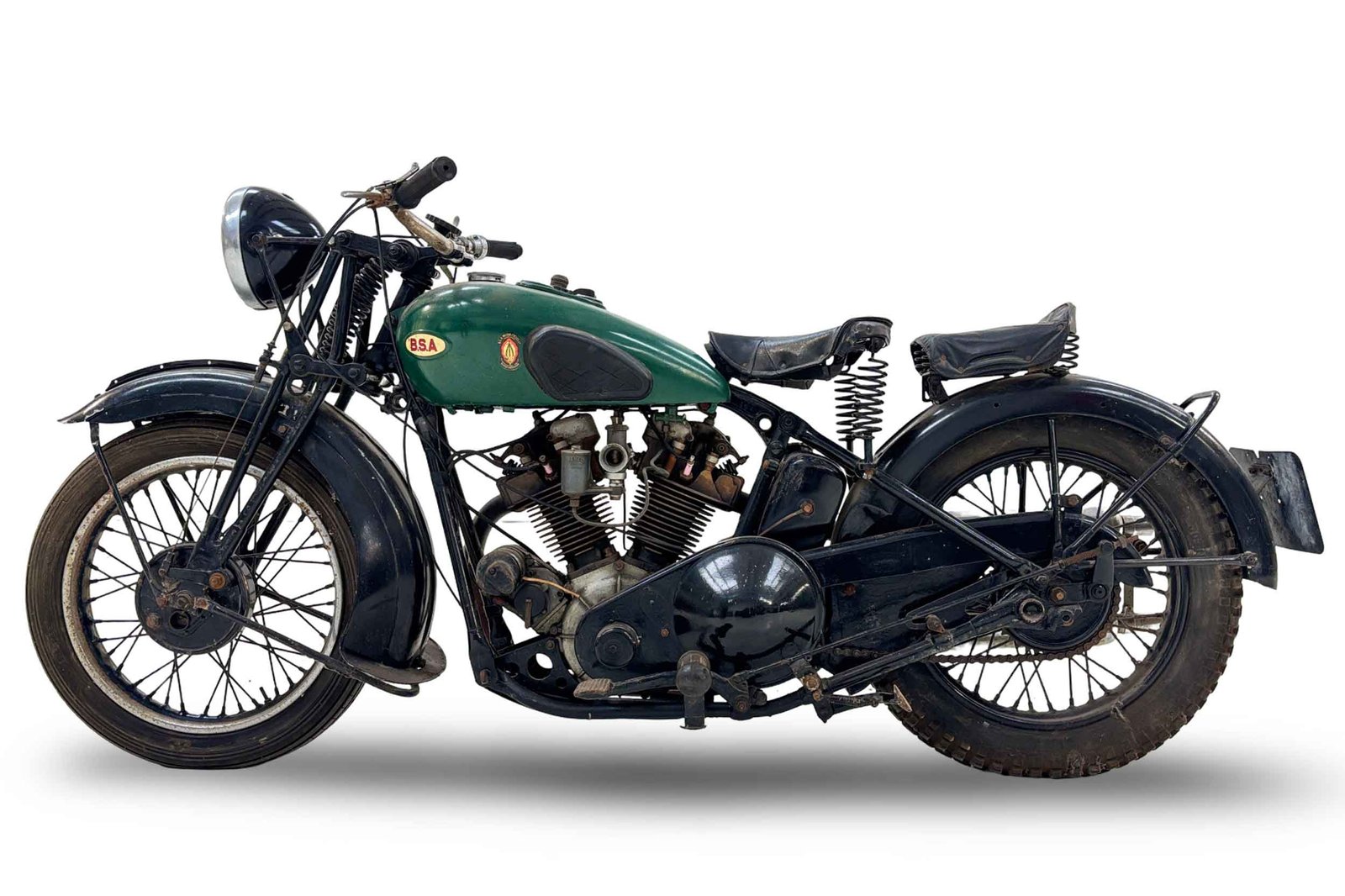
The origins of the engine can be traced back to a military project. BSA initially developed the overhead-valve V-twin for the War Office, hoping to secure a government contract. However, military buyers of the period generally preferred simple and robust side-valve singles, and the design was rejected. Rather than abandon the project, BSA adapted the machine for civilian use, introducing the 499cc Model J in 1934. A larger 750cc version followed shortly afterwards, becoming the Y13.
The Y13 arrived at a time when motorcycles were expected to do everything. Solo touring, long-distance riding and sidecar work were all part of daily life. BSA designed the 750cc V-twin with this versatility in mind. One of its most distinctive features was the pair of exhaust pipes running down the right-hand side of the machine. This arrangement wasn’t simply for appearance; it allowed a sidecar to be fitted without interference from the exhaust system.
For riders seeking something more sporting than BSA’s side-valve offerings, the Y13 offered a compelling alternative. The overhead-valve engine provided stronger performance, while the substantial chassis gave the machine the stability required for sidecar use and long-distance touring. It was a motorcycle built for covering miles rather than chasing lap records.
Unfortunately for modern enthusiasts, relatively few were made. The smaller 500cc V-twin disappeared from the catalogue after 1936, while the 750cc Y13 survived only until the end of the 1938 season. That short production run has made surviving examples exceptionally scarce today. Indeed, many BSA specialists regard the Y13 as one of the rarest and most sought-after motorcycles the company produced during the 1930s.
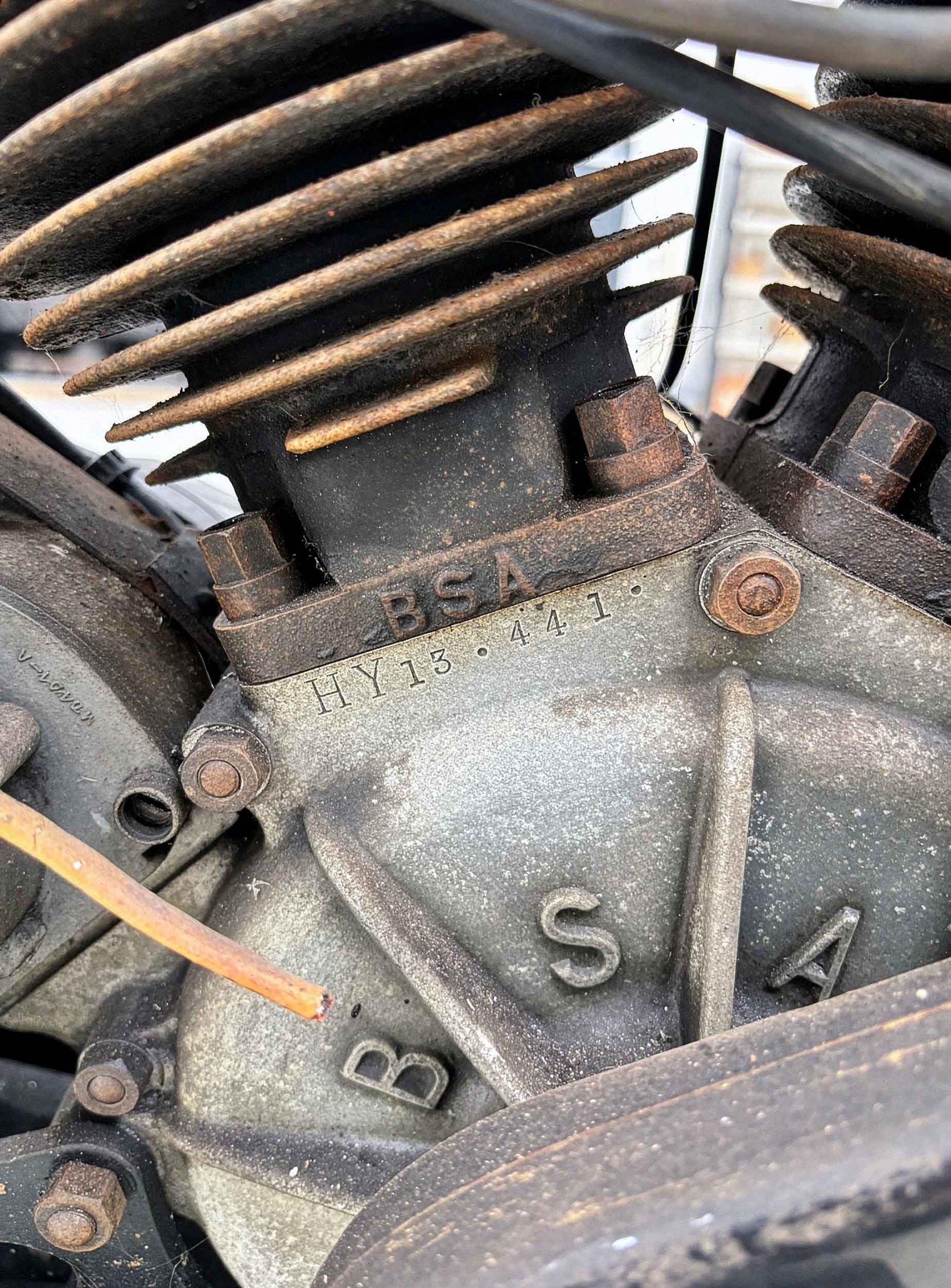
A recently offered 1937 example highlights just how much history can be attached to these machines. Presented by Bonhams with matching frame and engine numbers, the motorcycle was dispatched new to Rose & Son of March, Cambridgeshire, on 15 May 1937. Documentation accompanying the bike reveals that it was originally geared for sidecar use, exactly as BSA intended.
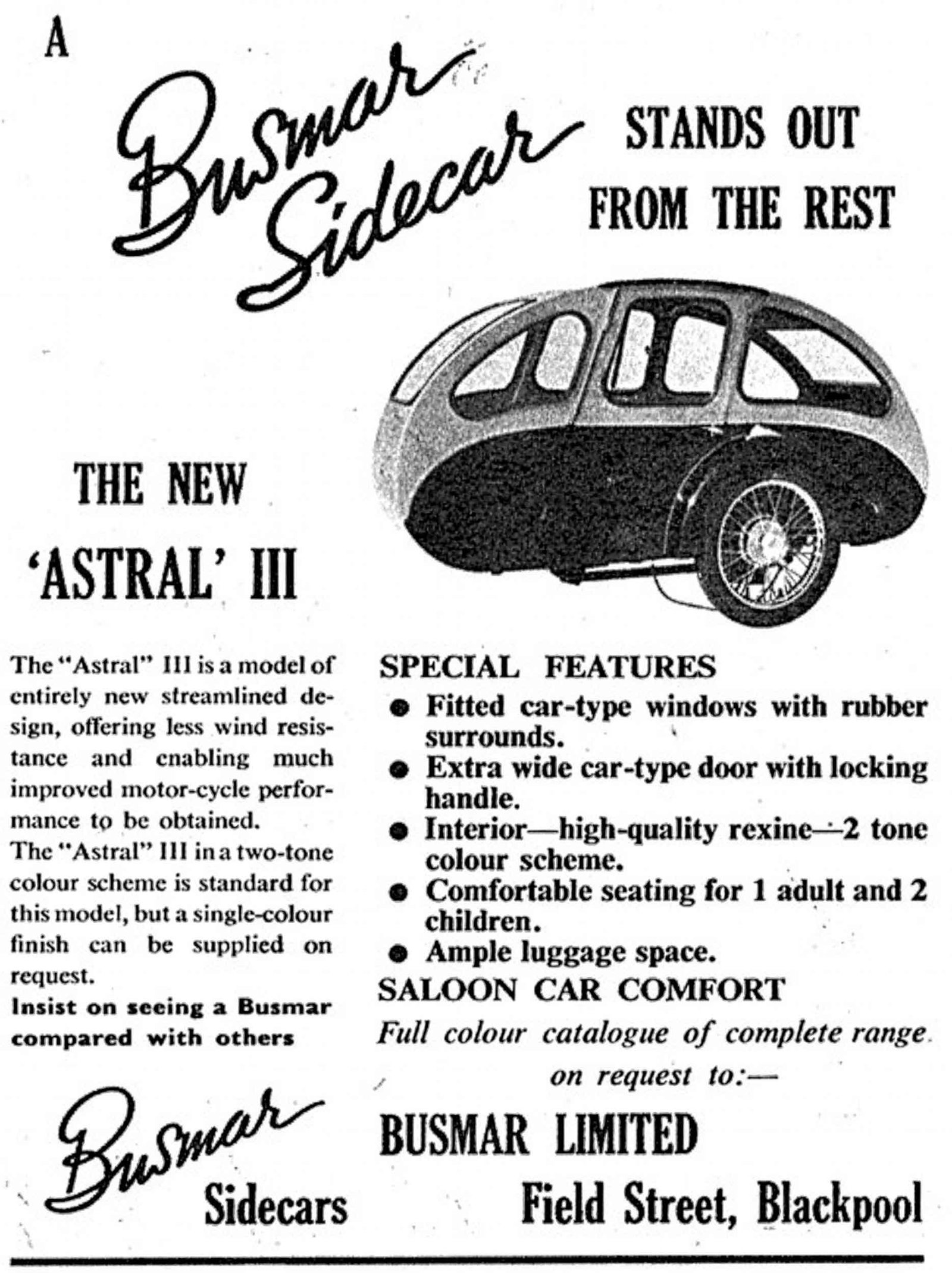
Even more appealing are the personal stories preserved in the paperwork. Letters included with the machine describe journeys to the Isle of Man TT and holidays throughout Britain, undertaken with a “Double Adult” sidecar attached. These details transform the motorcycle from a static museum piece into something far more tangible: a machine that carried families, luggage and memories across the country nearly ninety years ago.
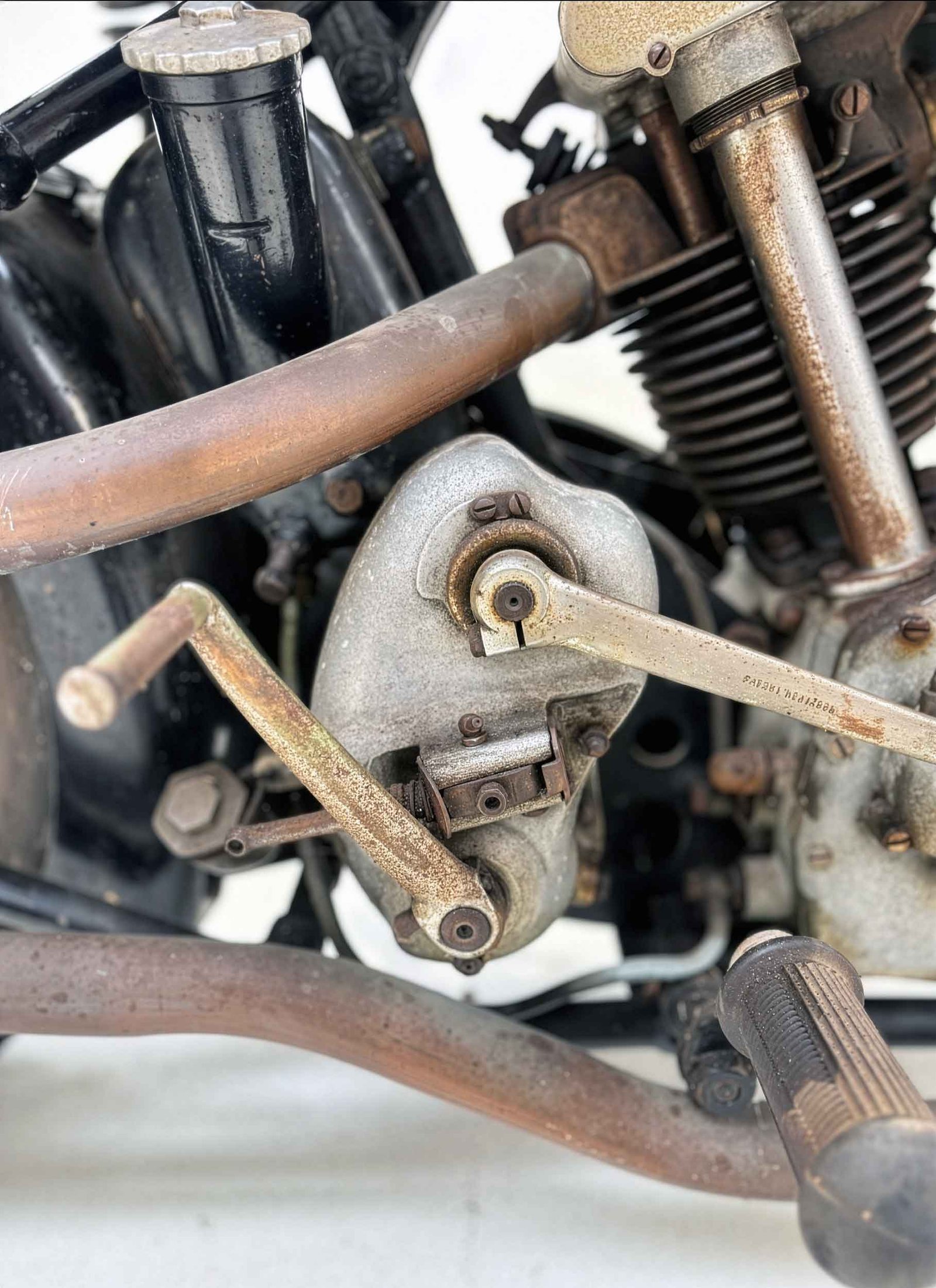
Bonhams have placed an estimate of £10,000 to £15,000 on this particular 1937 BSA Y13. That’s reflection of both how desirable the model is – and also the condition of this example is in. It’s not been used for some time and Bonhams suggests it will need recommissioning at the very least and possibly some restoration before being ridden.
It’ll be worth it. A 1936 BSA 750cc Y13 sold by Bonhams in April 2025 went for £33,350. Back in 2015, one in immaculate, concours condition sold at a Mecum auction in the US for $74,000.