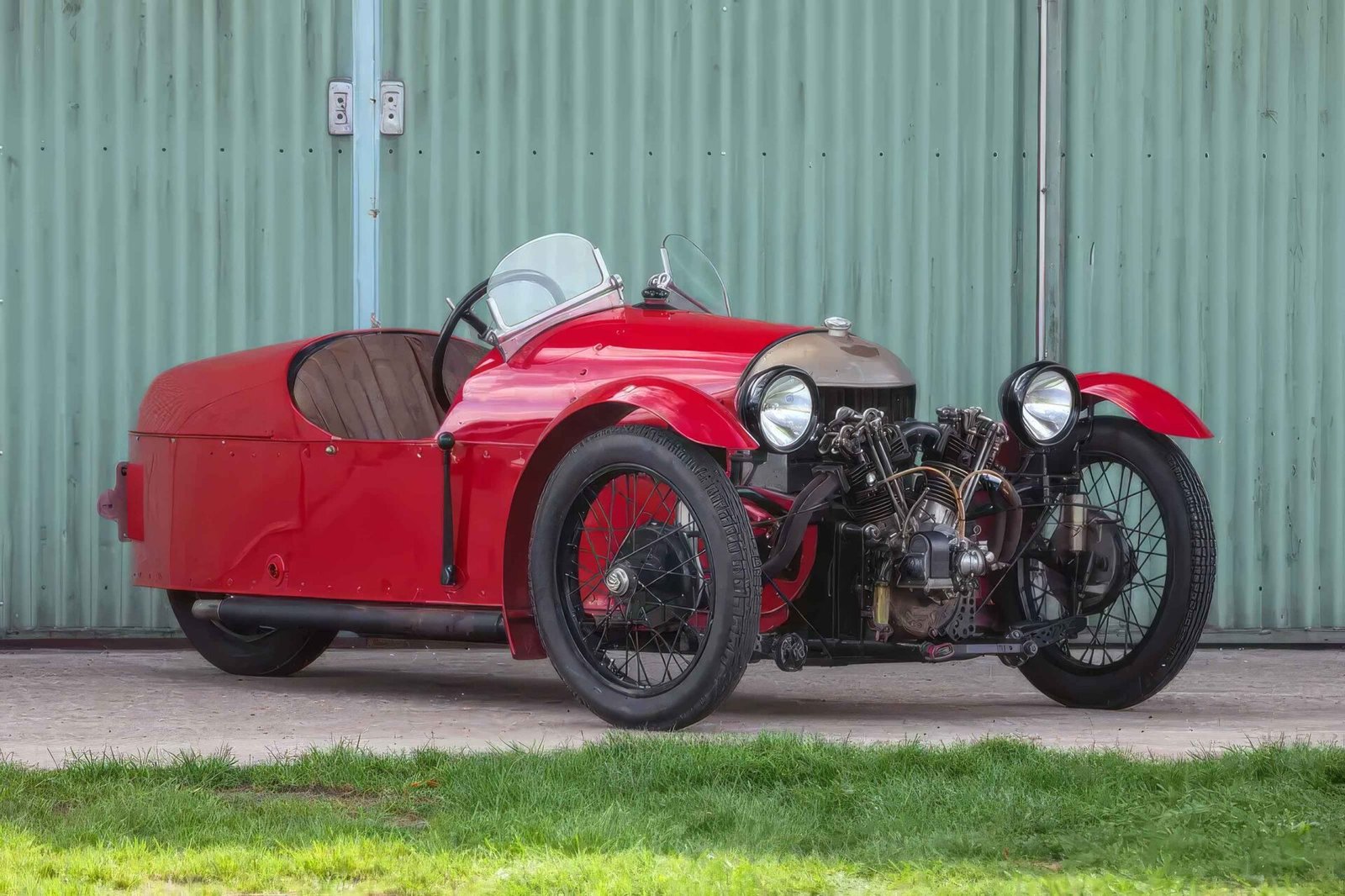
There are sensible ways of going motor racing. And then there’s the 1928 Morgan Supersport, a three-wheeled device powered by an enormous motorcycle engine, with a history involving Australian speedways, a supercharger and Nick Mason.
The Morgan three-wheeler is one of those vehicles that makes perfect sense until you think about it.
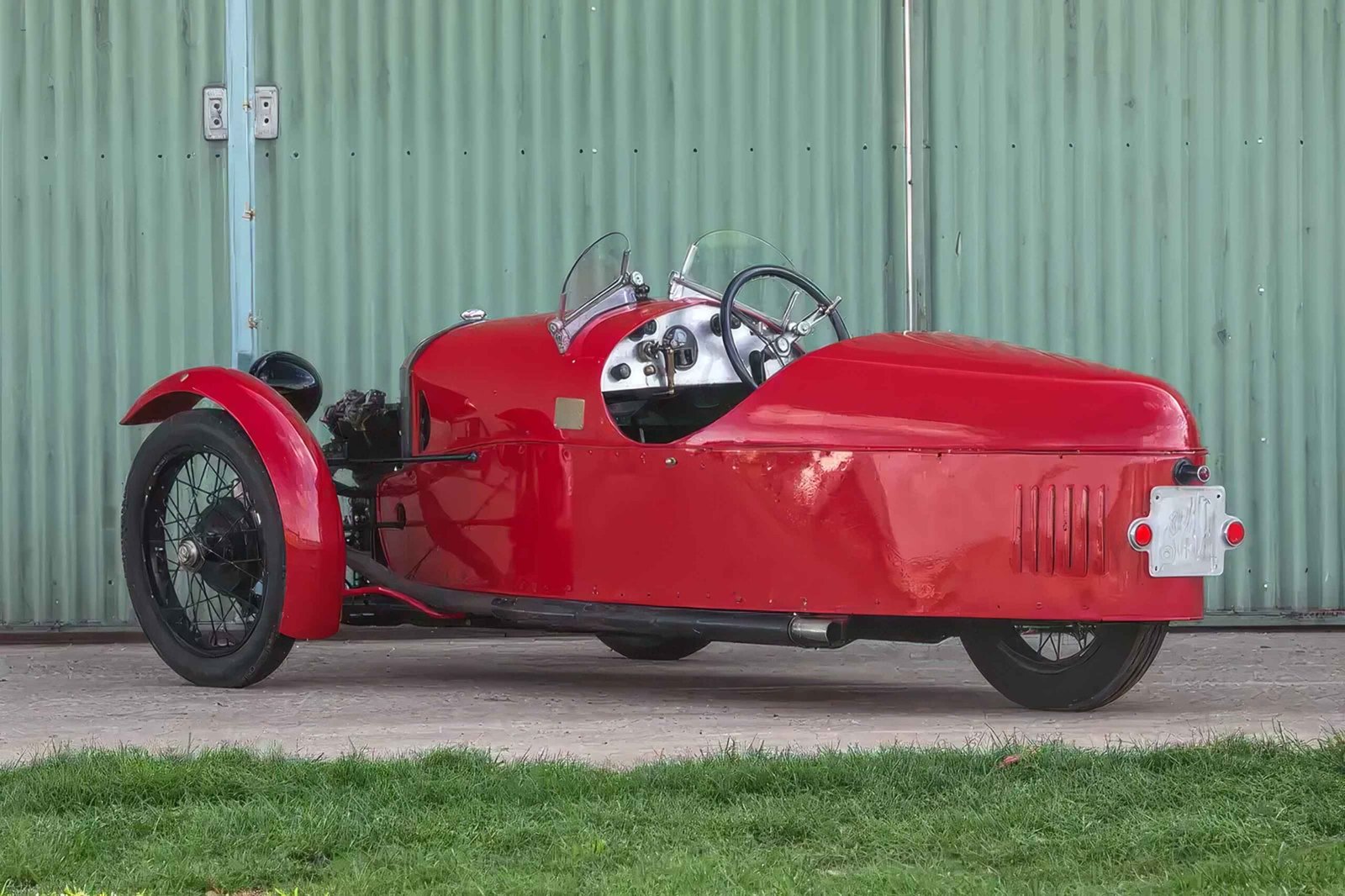
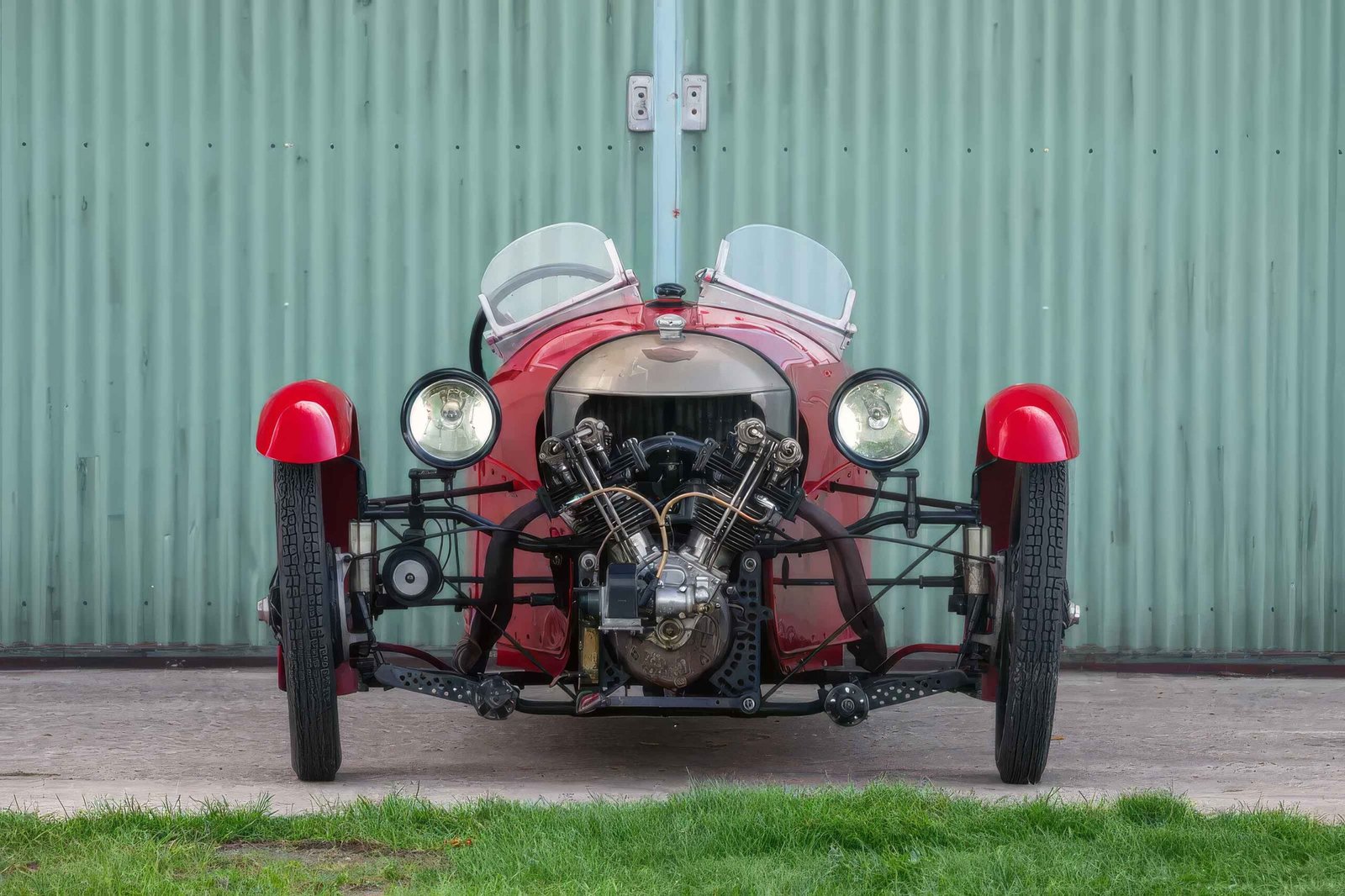
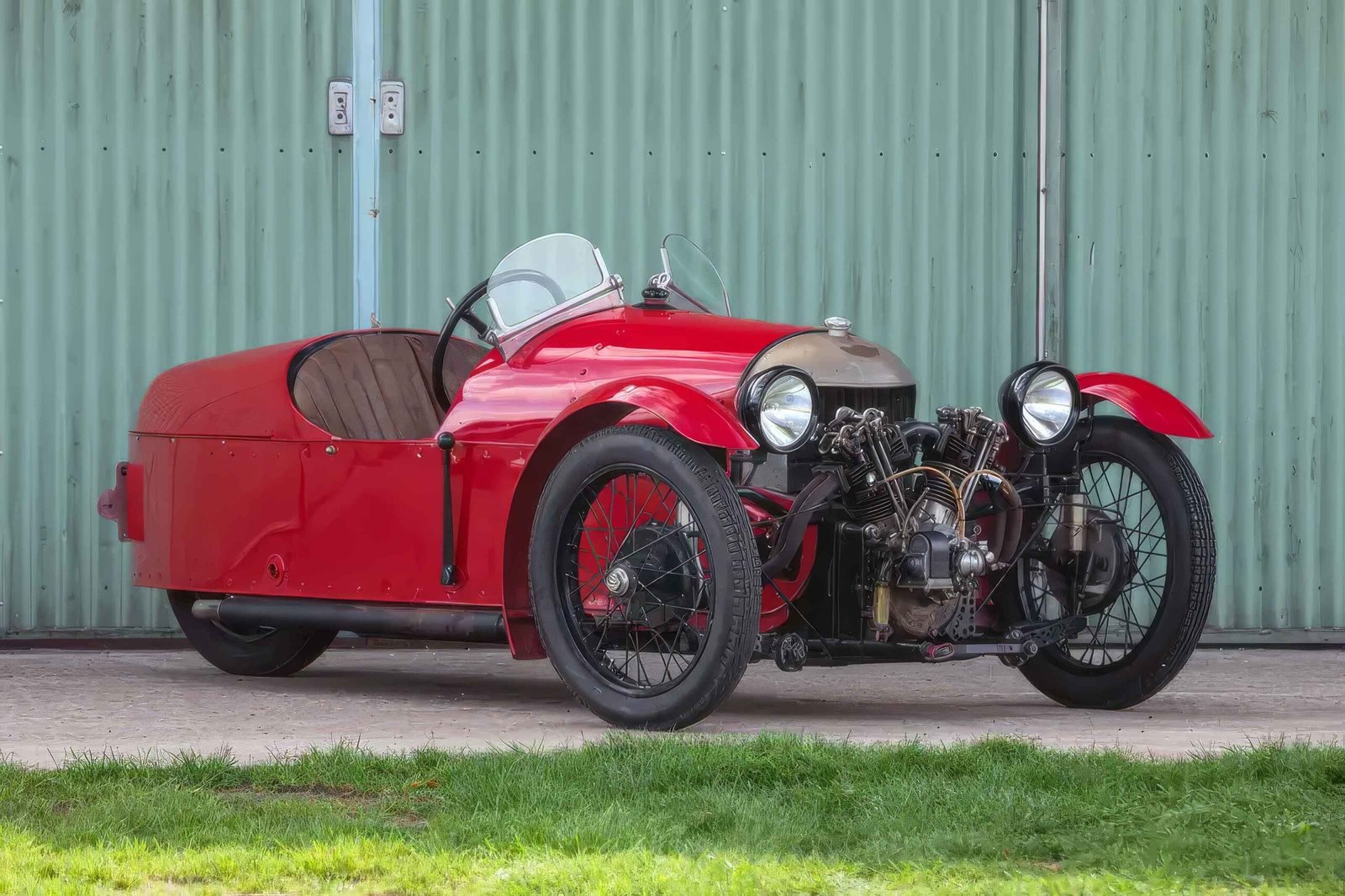
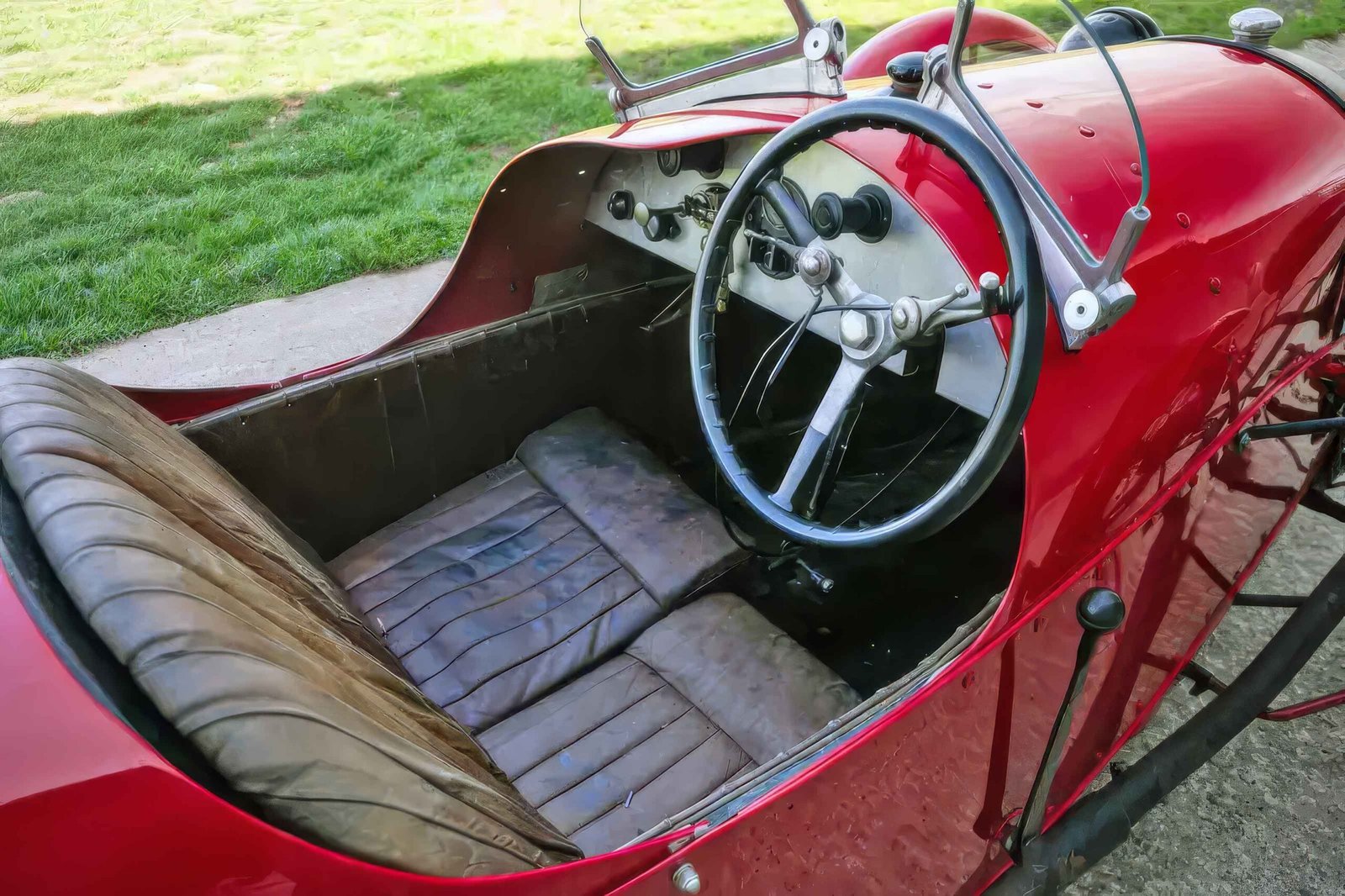
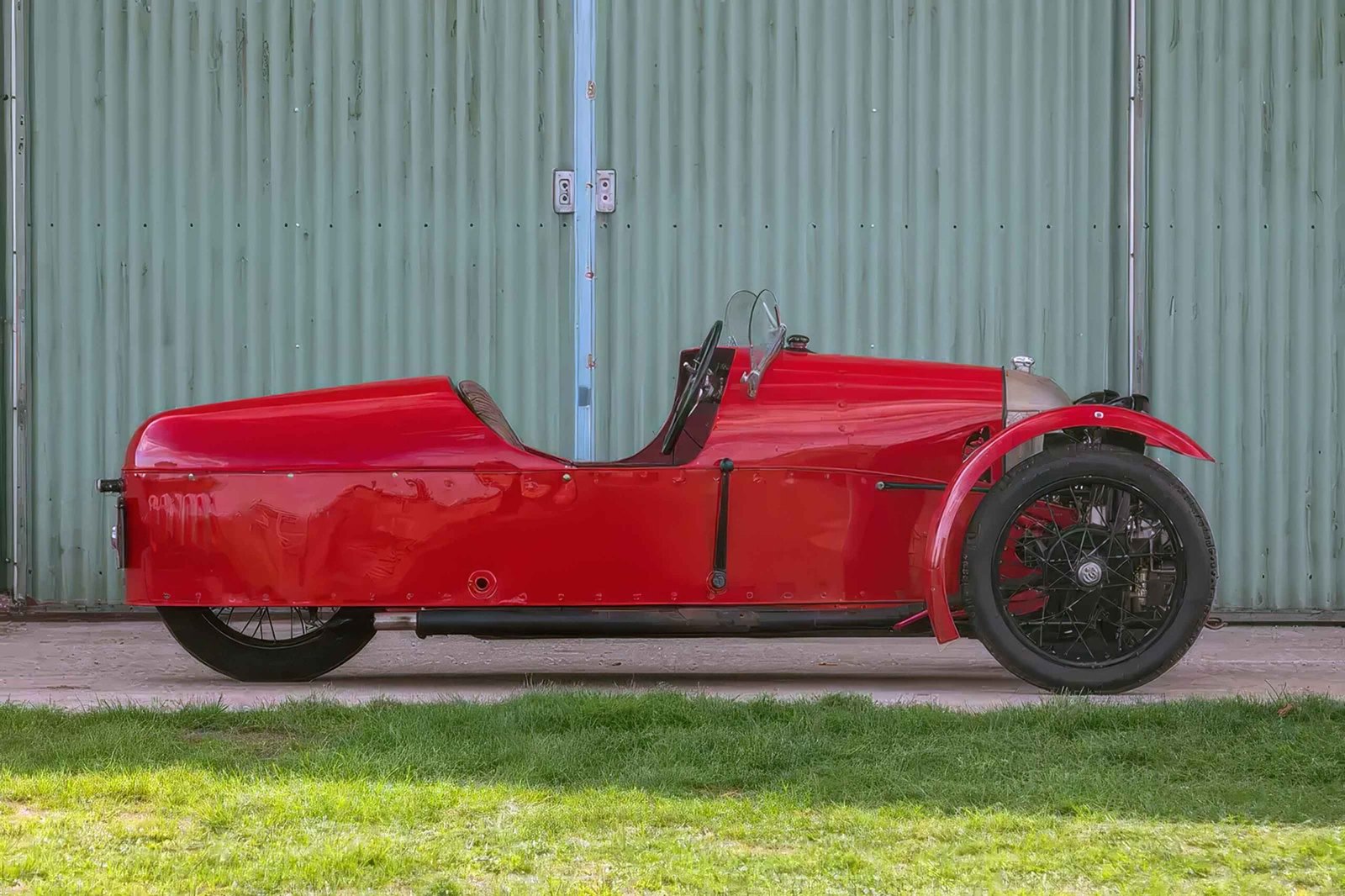
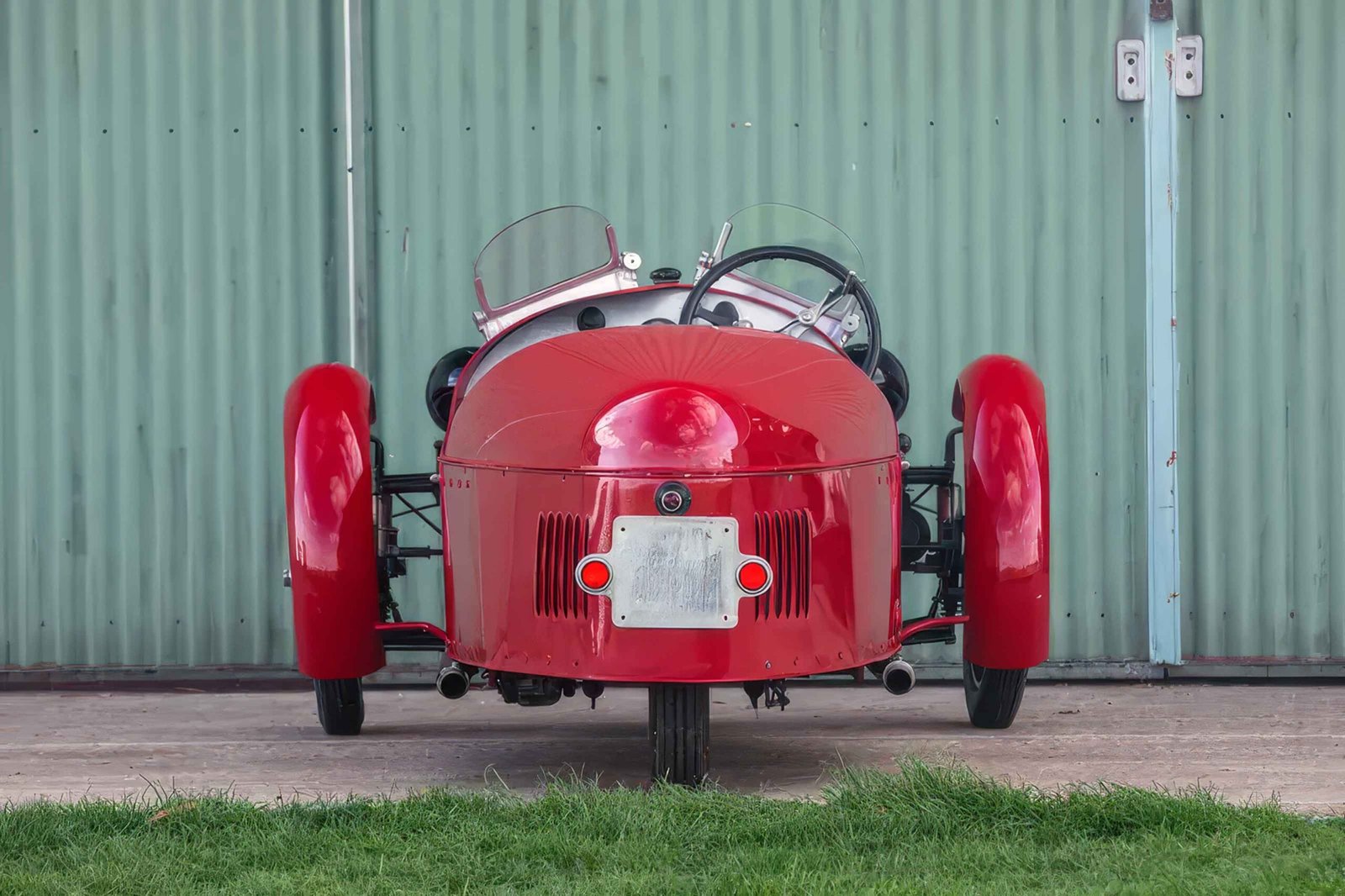
It has two wheels at the front, one at the back, a large motorcycle engine hanging out in the breeze and approximately the same amount of weather protection as a garden bench. It is, by almost any rational measure, a ridiculous way of getting about.
Which is precisely why it’s so wonderful.
And this particular example, a 1928 Morgan Supersport 8-Valve, is more wonderful than most. Not only has it spent much of its life being raced, broken, repaired and made considerably faster, but for the past 12 years it has belonged to Nick Mason, the Pink Floyd drummer and enthusiastic collector of interesting machinery.
Now it’s going under the hammer with Iconic Auctioneers at the Classic Motor Show at Birmingham’s NEC, with an estimate of £35,000 to £40,000.
That seems a remarkably modest amount of money for something with such an entertaining history. Although, as we shall discover, there may be a reason.
Australian hooliganism
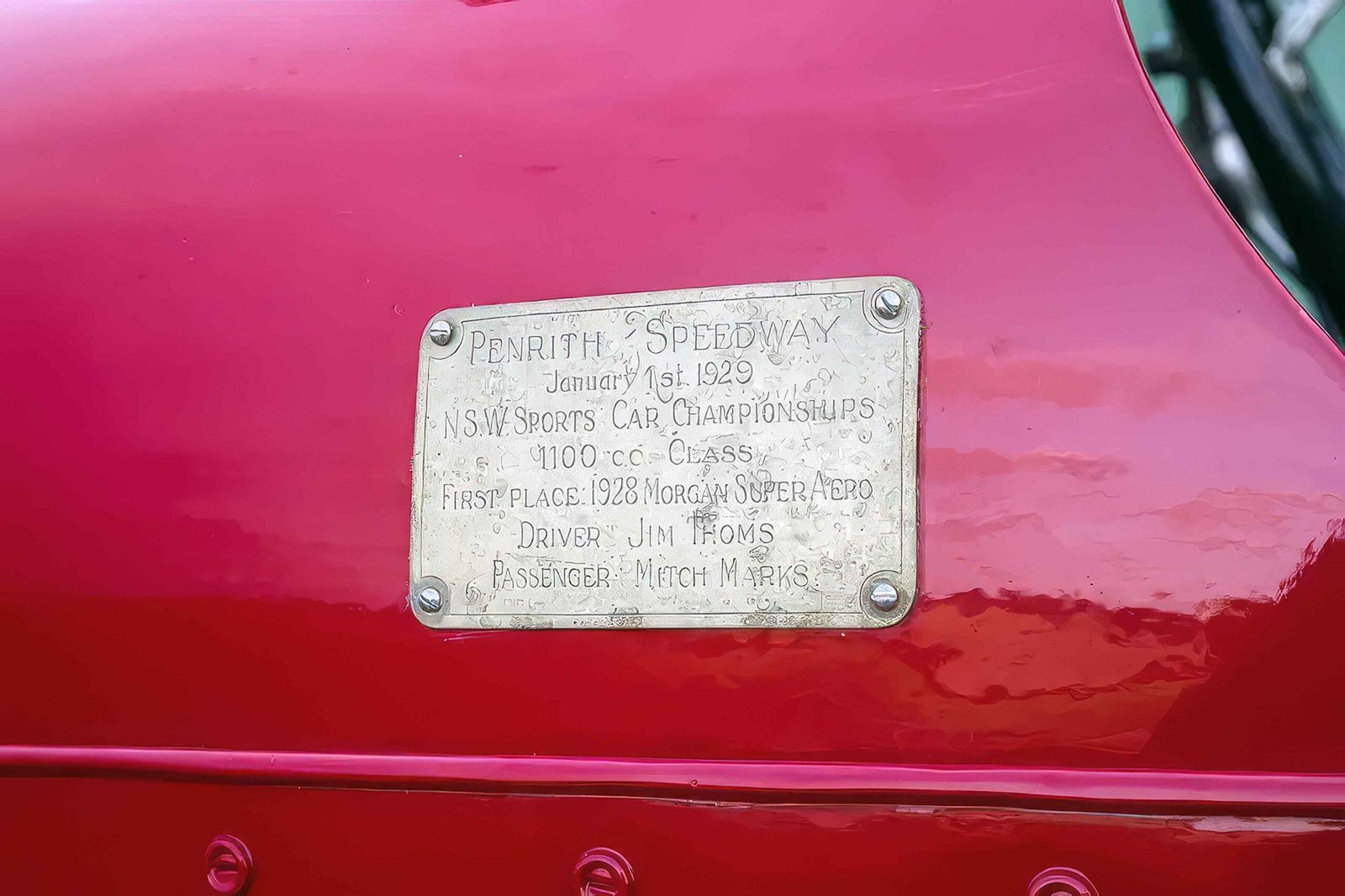
Our story begins in Sydney in September 1928, when a chap called Jim Thoms bought the Morgan new through local importers Williams Brothers.
Thoms and his friend Mitch Marks were motorcycle enthusiasts, which probably explains why they thought a Morgan three-wheeler was a perfectly reasonable purchase. After all, it’s essentially a motorcycle that has swallowed a small car.
Within months they were racing it.
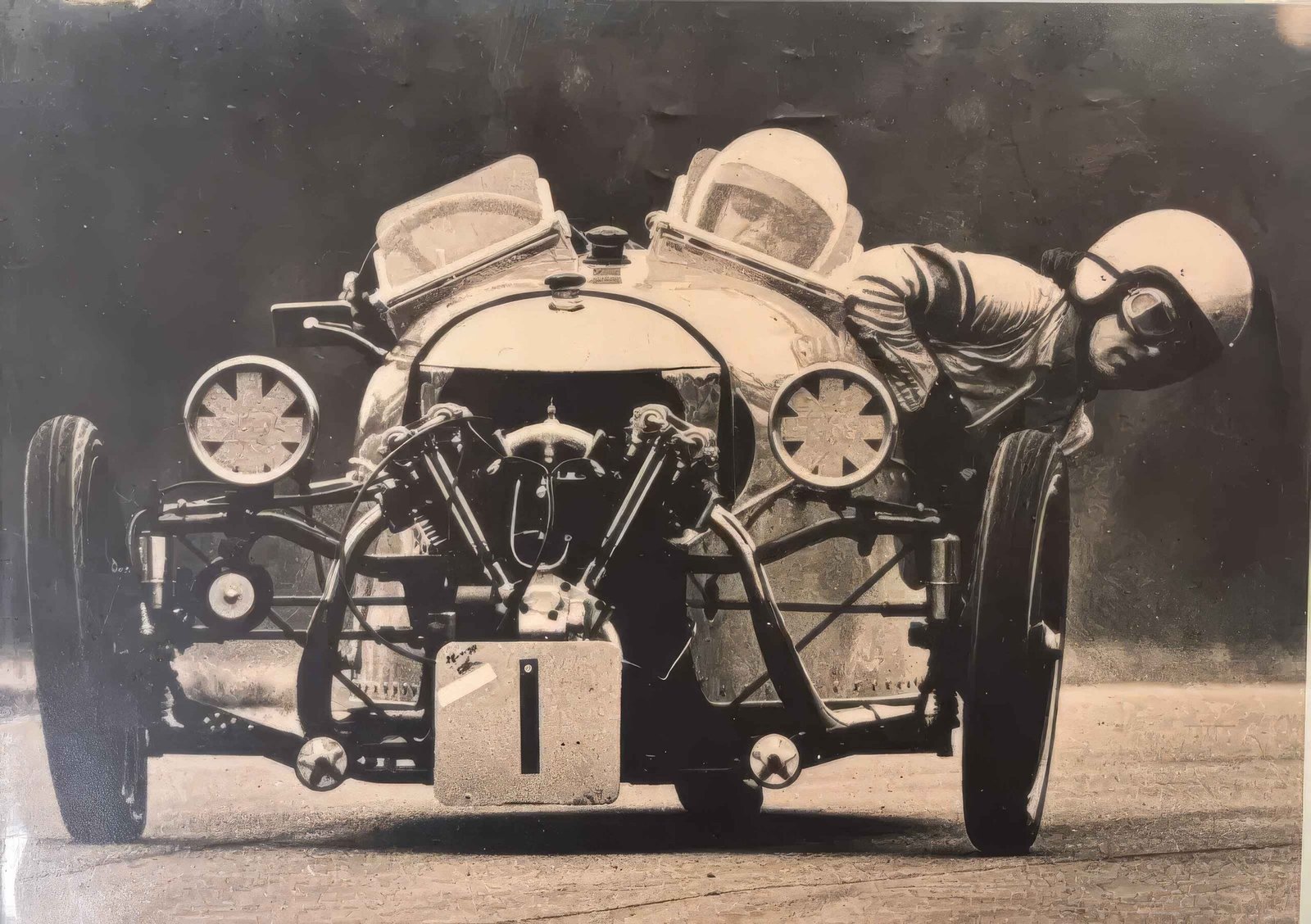
In January 1929, the Morgan appeared at Penrith Speedway, west of Sydney, where it proceeded to beat machinery from Ford and Alvis.
This must have been rather irritating for the owners of the more conventional cars. Imagine arriving at a race meeting with your proper motor car, only to be defeated by two blokes sitting in what looks like a bathtub with a motorcycle engine bolted to the front.
There are photographs of Thoms and Marks celebrating their victory, which survive in the car’s extensive history file.
And that is one of the things that makes this Morgan particularly interesting. We don’t simply have a vague claim that it was once raced by somebody somewhere. We have names, dates, photographs and a documented history stretching back almost a century.
There are sensible ways of going motor racing. And then there’s the 1928 Morgan Supersport, a three-wheeled device powered by an enormous motorcycle engine, with a history involving Australian speedways, a supercharger and Nick Mason.
The Morgan three-wheeler is one of those vehicles that makes perfect sense until you think about it.
It has two wheels at the front, one at the back, a large motorcycle engine hanging out in the breeze and approximately the same amount of weather protection as a garden bench. It is, by almost any rational measure, a ridiculous way of getting about.
Which is precisely why it’s so wonderful.
And this particular example, a 1928 Morgan Supersport 8-Valve, is more wonderful than most. Not only has it spent much of its life being raced, broken, repaired and made considerably faster, but for the past 12 years it has belonged to Nick Mason, the Pink Floyd drummer and enthusiastic collector of interesting machinery.
Now it’s going under the hammer with Iconic Auctioneers at the Classic Motor Show at Birmingham’s NEC, with an estimate of £35,000 to £40,000.
That seems a remarkably modest amount of money for something with such an entertaining history. Although, as we shall discover, there may be a reason.
£200 bargain
The Morgan remained in Australia, passing through various owners before ending up with brothers John and Jack Finglass in the early 1960s.
The Finglass brothers were serious motorcycle collectors, reportedly owning around 150 machines. Which suggests that either they had a very large shed or their domestic arrangements were unusually accommodating.
By then, the Morgan had lost its original JAP engine, although much of its chassis and running gear survived.
In March 1972, an Australian vintage racing enthusiast called Joe Wilson bought it for $200.
Two hundred Australian dollars.
Admittedly, it was 1972 and the Morgan needed considerable attention, but even allowing for inflation, that looks like one of the better purchases in motoring history.
Wilson set about restoring it, installing an Anzani engine he had found that year, and returned the Morgan to competition.
He raced it extensively in historic events, with his sons taking turns as riding mechanics.
This was an era when a racing mechanic didn’t necessarily sit in a comfortable workshop studying diagnostic software. Sometimes he sat in an exposed vehicle, being bounced around while his father attempted to overtake somebody.
In 1979, the restored Morgan was reunited with its original owner Jim Thoms and his old racing companion Mitch Marks, 50 years after their Penrith Speedway triumph.
It’s a rather lovely piece of motoring history.
Then somebody made it even sillier
In 1987, the Morgan suffered a mechanical failure while competing at Lakeside. A cylinder barrel broke, which is generally considered a bad thing, particularly when the engine is sitting directly in front of you.
The damaged Anzani was sent to British engineer Phil Spencer.
Now, a conventional engineer might have repaired the engine and returned it to its owner with a polite suggestion to be a little more careful.
Spencer took a different approach.
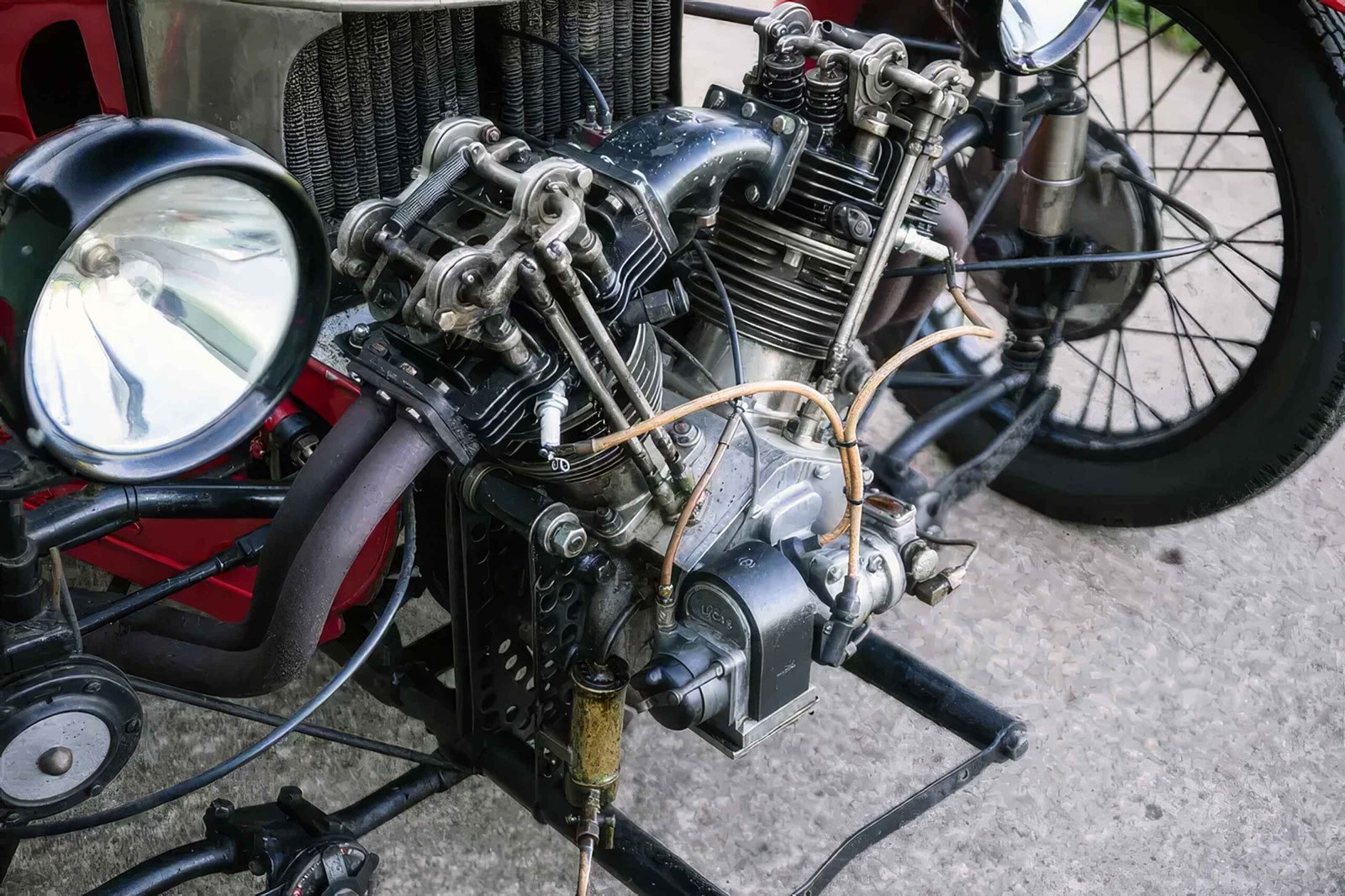
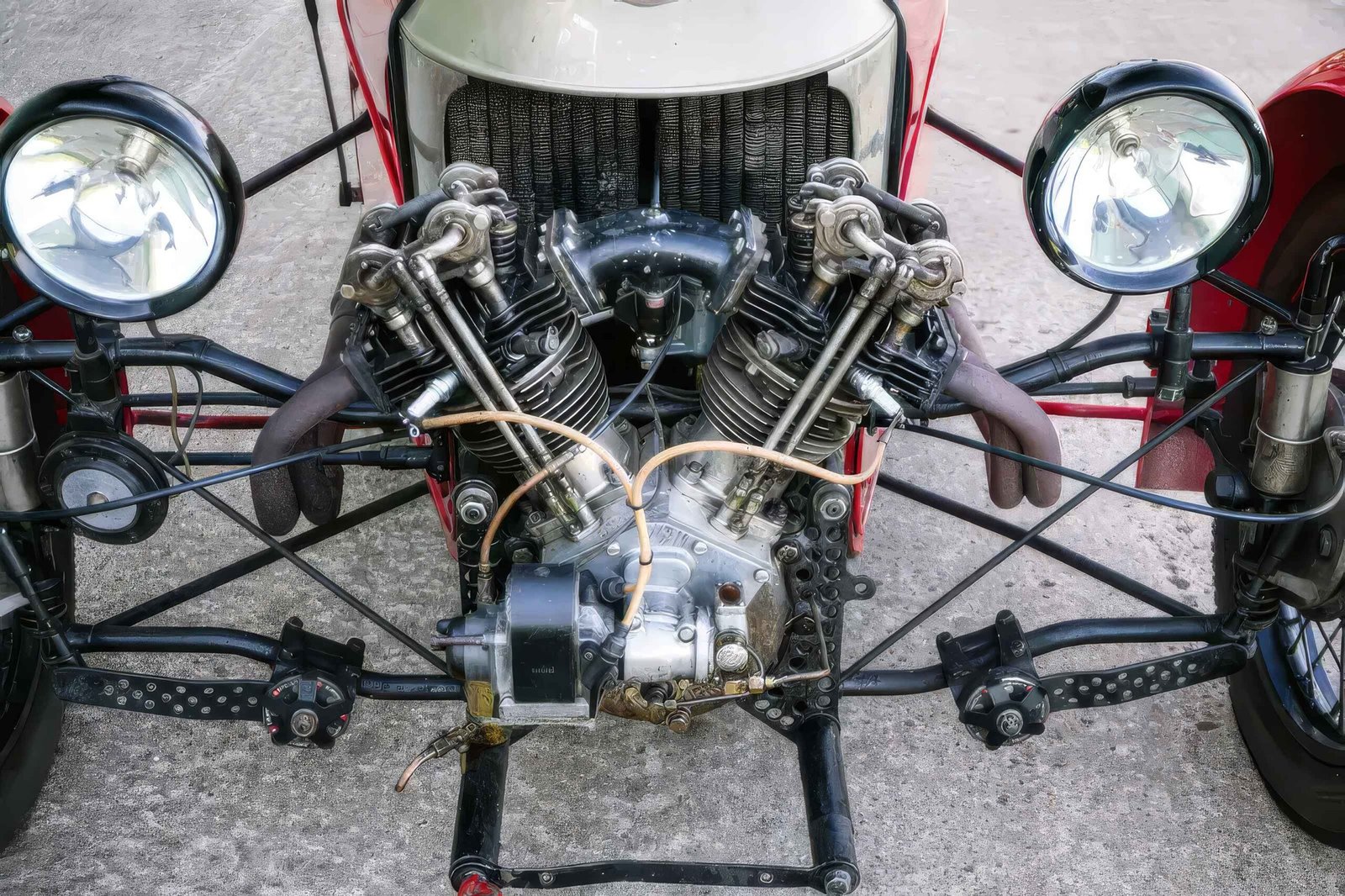
He substantially redesigned the engine, increasing its capacity to 1,320cc and fitting a concentric supercharger, feeding through a large SU carburettor.
A supercharged, 1.3-litre, eight-valve motorcycle-derived engine in a three-wheeled car from 1928.
Splendid.
It is the sort of engineering solution that suggests the original problem was not a shortage of power but a shortage of excitement.
Quite what the resulting performance was isn’t recorded in the auction description, but it is reasonable to imagine that it was lively.
Remember, the Morgan has only three wheels, very little bodywork and a layout conceived when Britain’s roads were populated by horses, bicycles and people wearing substantial hats.
Adding a supercharger to this arrangement seems rather like fitting a rocket motor to a wheelbarrow.
Possible, certainly. Advisable? That’s another matter.
Pink Floyd connection
In 2014, the Morgan was acquired by Nick Mason for his celebrated Ten Tenths Collection.
Mason, of course, is not simply a musician who happens to own a few interesting cars. He is a serious historic racing enthusiast whose collection includes some of the world’s most desirable competition machinery.
The Morgan therefore found itself in distinguished company.
That same year, the Morgan Three Wheeler Club inspected the car and confirmed that its chassis, steering assembly, suspension and axles appeared to be original.
This matters because the Morgan has been through rather a lot. Engines have come and gone, modifications have been made and various people have driven it enthusiastically around racing circuits.
Yet underneath it all remains a substantial amount of the machine that left the factory in 1928.
Its chassis number is 823A, and it now carries the registration BF 7336.
Some assembly may be required
There is, inevitably, a small complication.
The Morgan is described as running but requiring recommissioning.
This is auction-house language that can cover quite a broad range of circumstances, from needing fresh fuel and a service to requiring the sort of mechanical attention that involves dismantling half the vehicle and questioning one’s life choices.
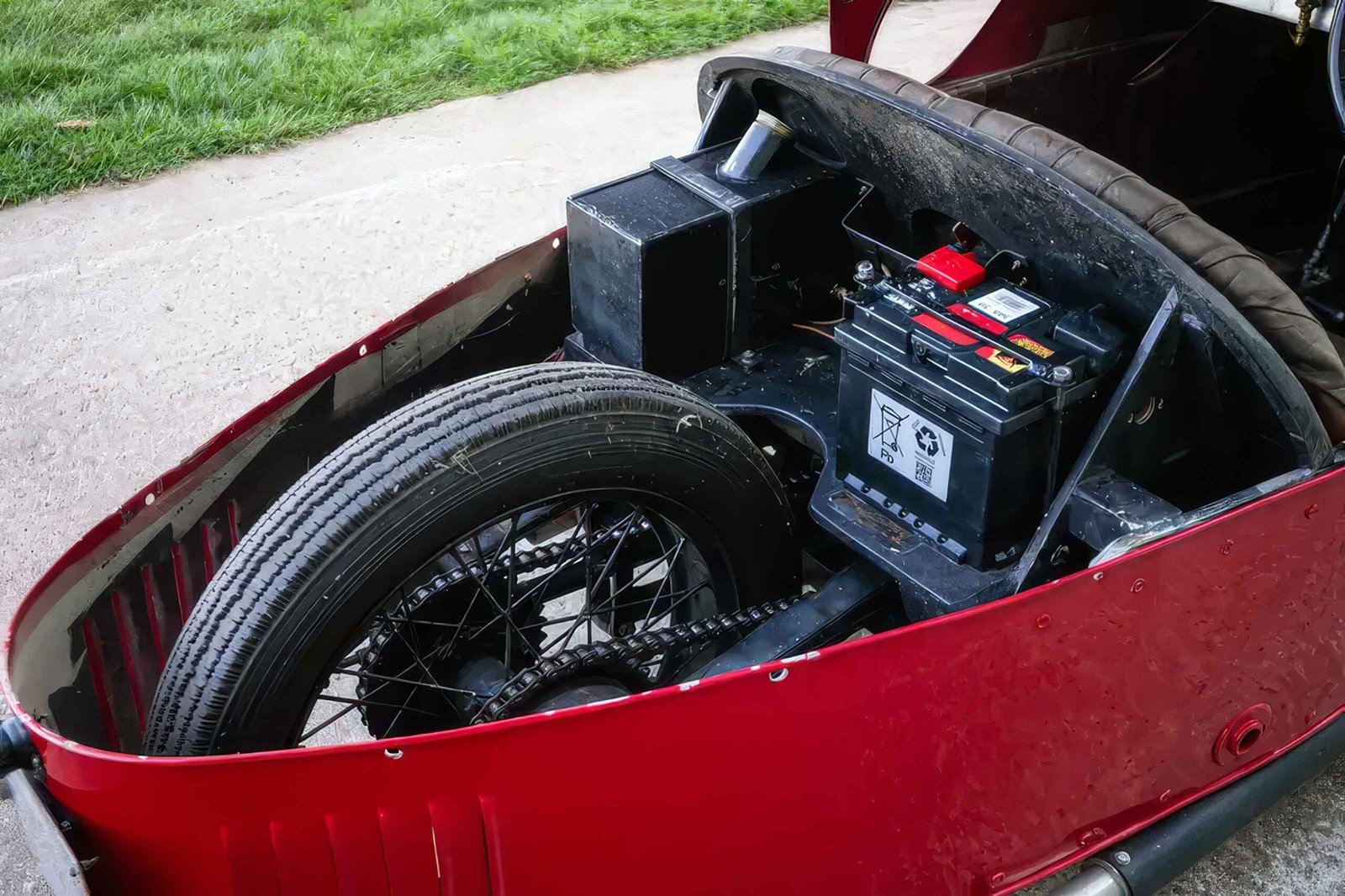
Also, it is no longer supercharged.
The supercharger survives and is included in the sale, but it requires reconditioning. A selection of rare spares and period components comes with the car, which the vendor believes to be worth around £4,000 to £5,000.
There is also an extensive archive of photographs, correspondence and historical research.
For a serious enthusiast, that documentation may be almost as interesting as the machine itself.
After all, you can rebuild an engine, replace a bearing or manufacture a missing bracket. What you cannot easily recreate is a photograph of your car winning a race in Australia in 1929.
The appeal of being completely unreasonable
The estimated £35,000 to £40,000 is not an insignificant amount of money.
For that, you could buy a perfectly respectable modern sports car with a roof, heating, proper brakes and an engine that doesn’t require you to develop a personal relationship with its internal components.
But that would rather miss the point.
A modern sports car will do everything better than this Morgan. It will accelerate more smoothly, stop more reliably, go around corners with greater composure and probably start on cold mornings without requiring a committee meeting.
And yet I know which one I’d rather have in the garage.
Because this Morgan is not really about transportation. It’s about the extraordinary period in motoring history when nobody was entirely sure what a sporting car ought to look like, and engineers were free to experiment with arrangements that would today cause an entire health and safety department to faint.
It has raced in Australia, survived nearly a century of mechanical adventures, acquired a thoroughly outrageous engine and spent its recent years in the company of some of the world’s most important historic cars.
And it still looks like a motorcycle that has had an argument with a bathtub.
Marvellous.
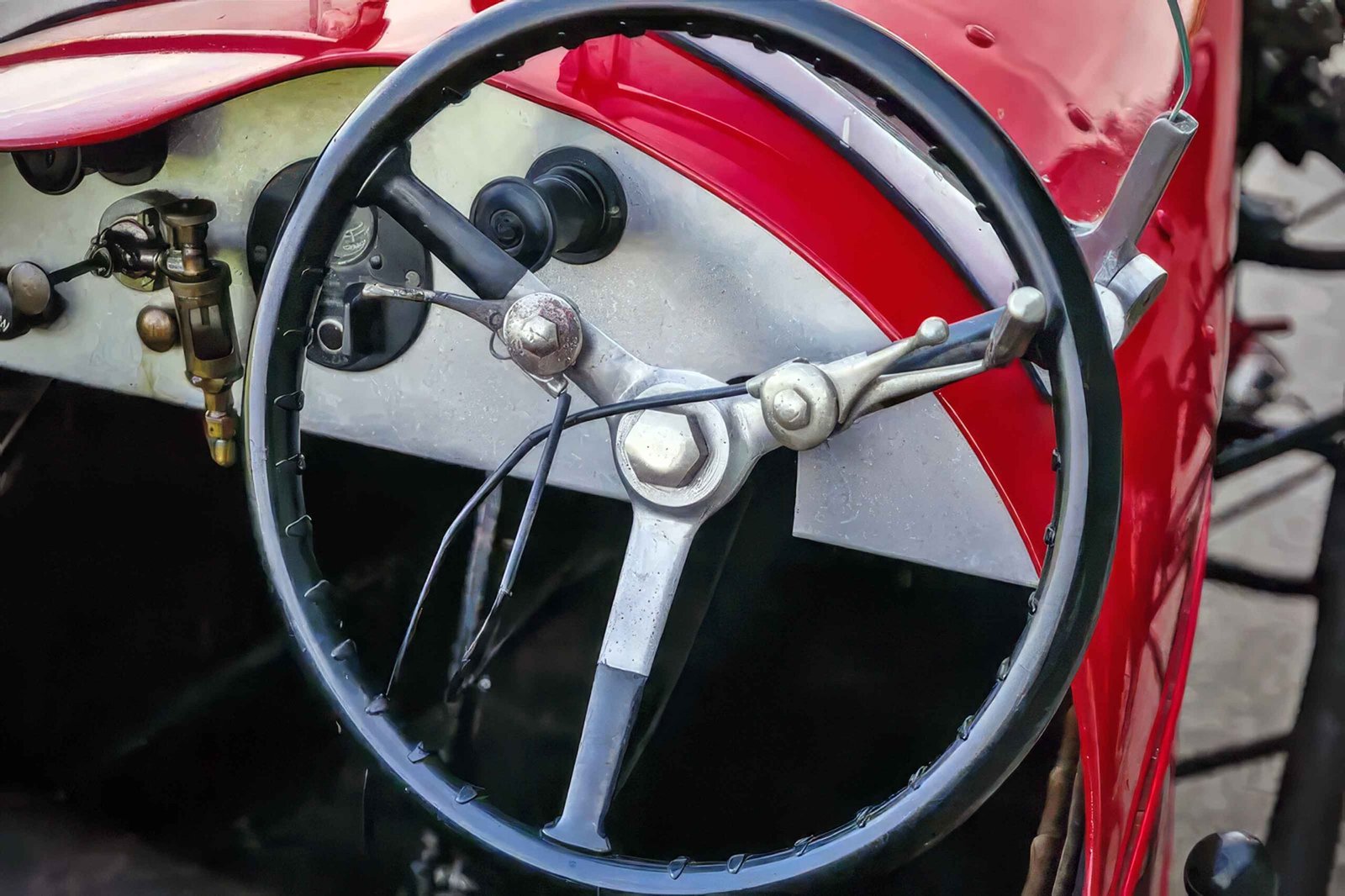
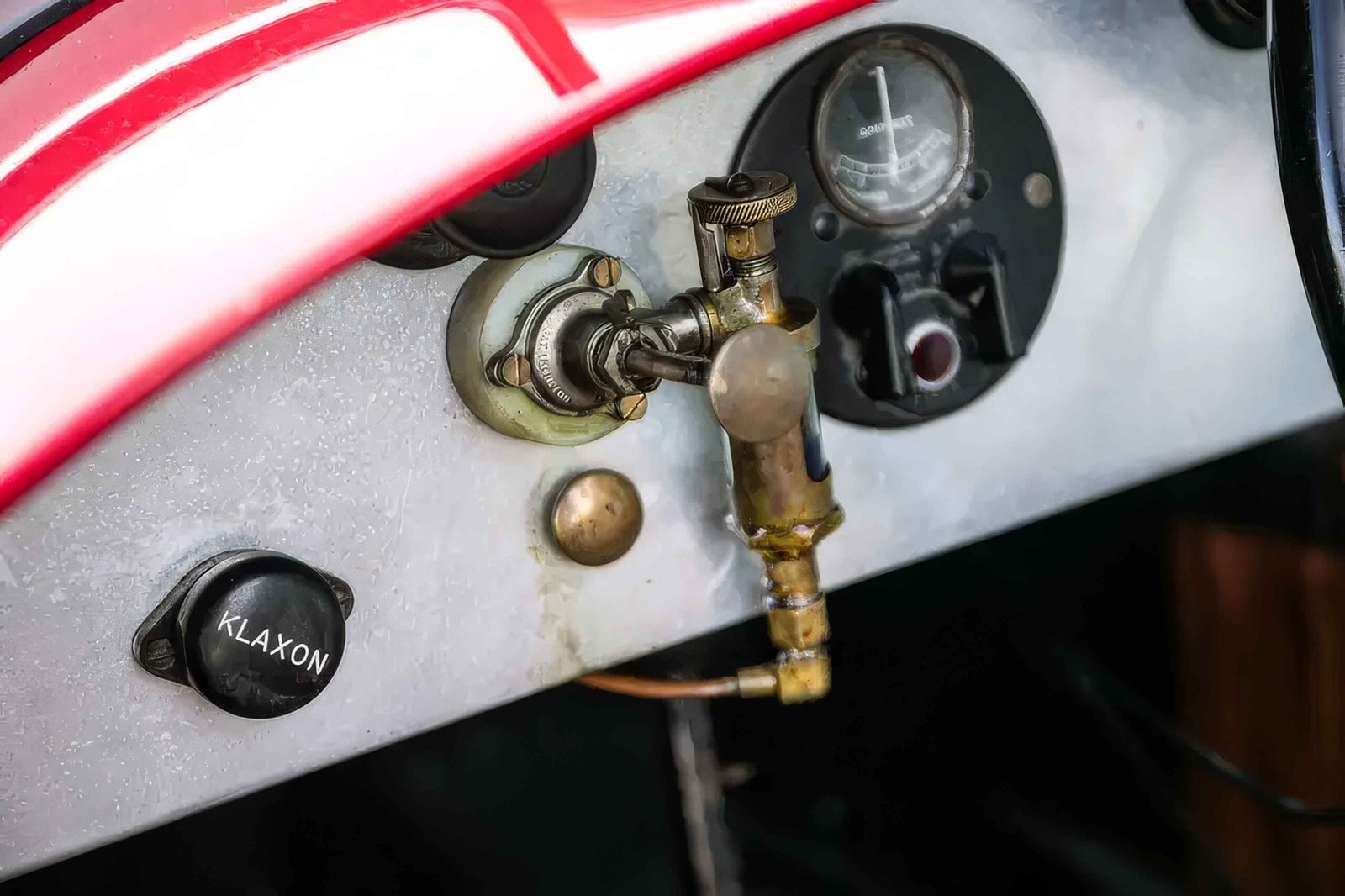
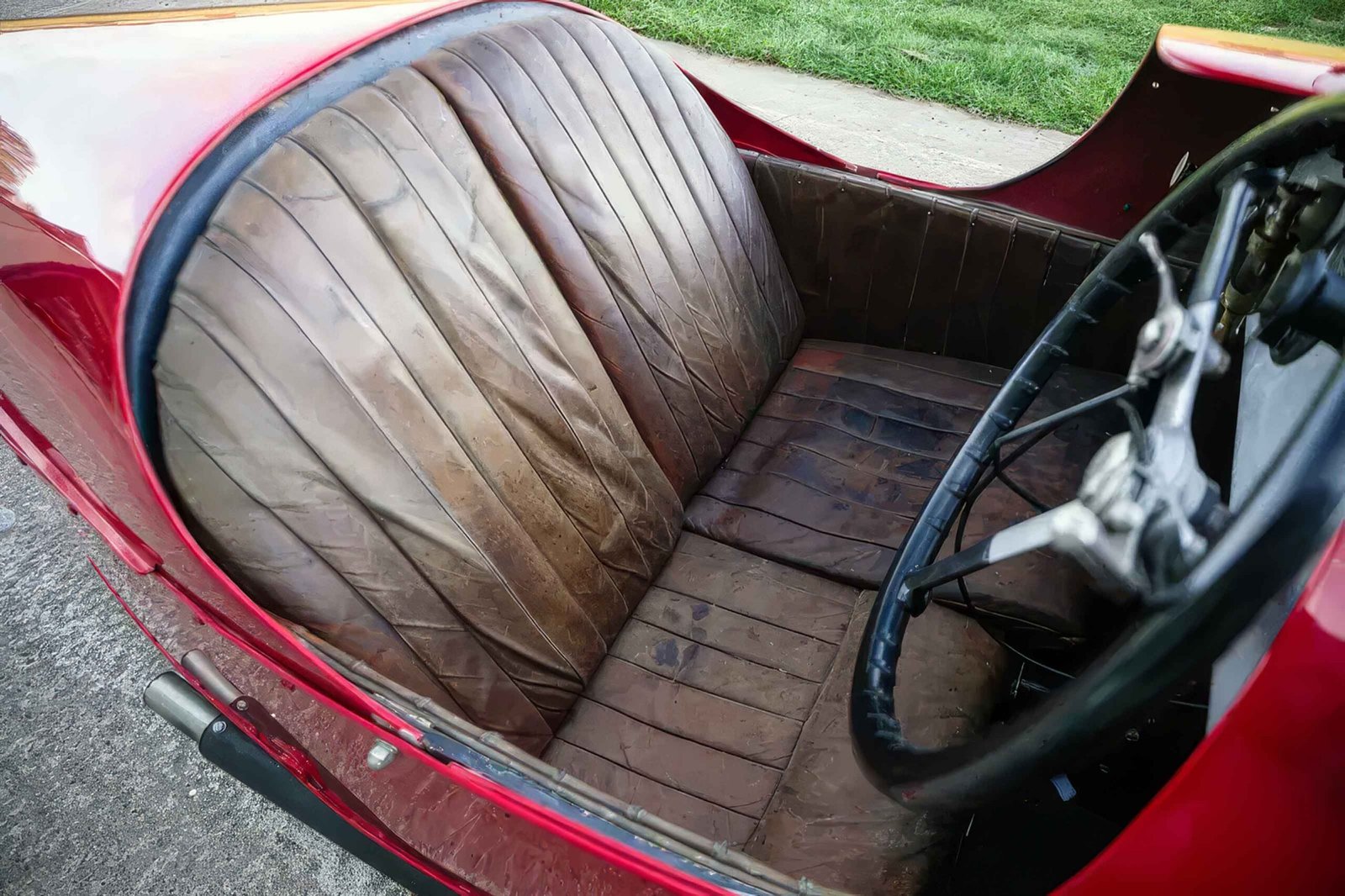
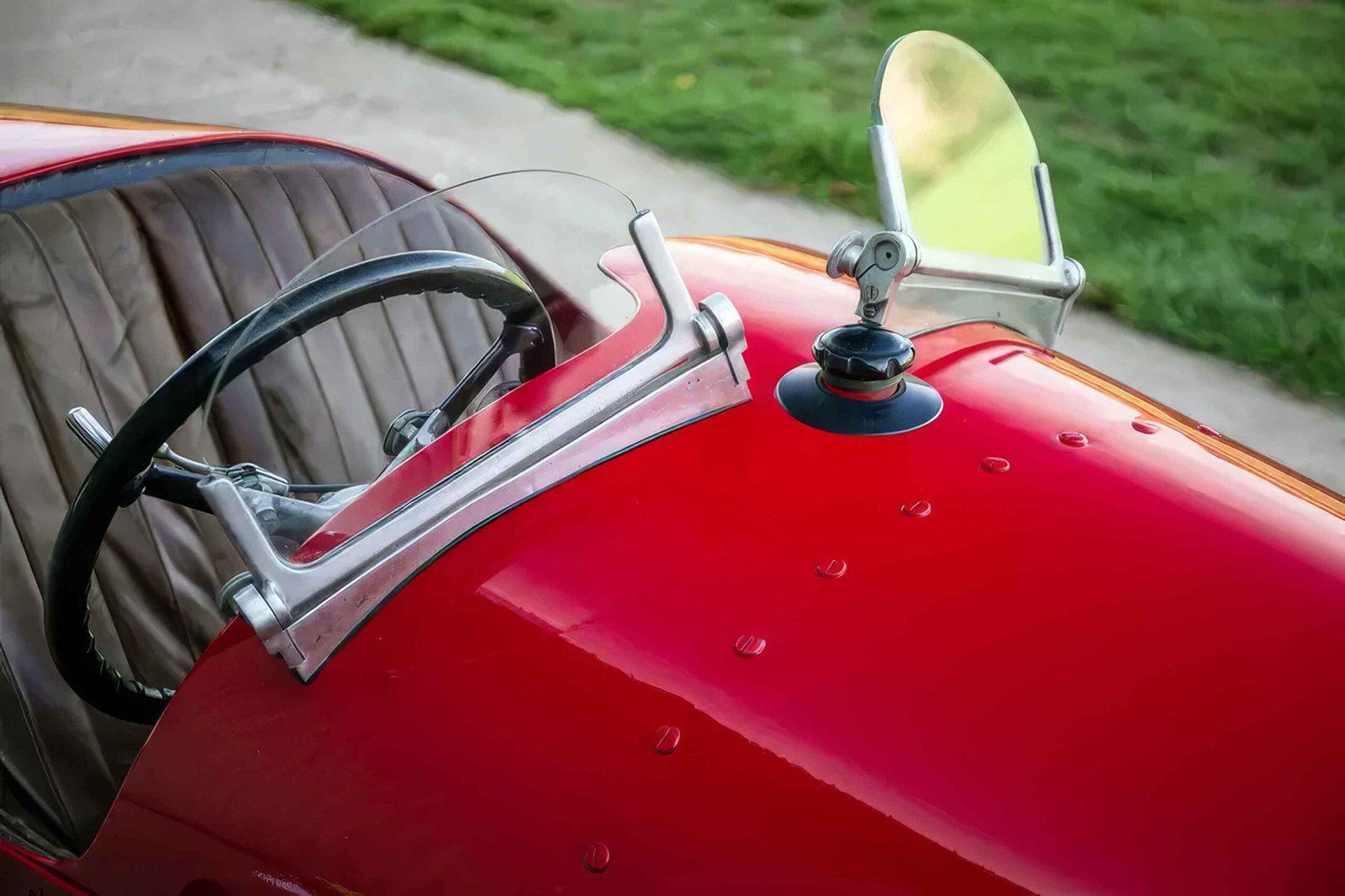
1928 Morgan Supersport three-wheeler
Click on any image to open gallery
Auction details
- Car: 1928 Morgan Supersport 8-Valve Anzani
- Chassis: 823A
- Registration: BF 7336
- Engine: 1,320cc Anzani, formerly supercharged
- Provenance: Nick Mason’s Ten Tenths Collection
- Auction: Iconic Auctioneers, Classic Motor Show, NEC, November 2026
- Lot: 138
- Estimate: £35,000–£40,000
- Condition: Running, requires recommissioning
View the original auction listing