In the history of great British motorcycles, the Scott Flying Squirrel sits slightly apart — not aloof, just… different. While other marques of the 1920s boomed, barked and thumped their way along, the Scott arrived with a distinctive ring-ding, water-cooling, and a flash of unapologetic innovation. It never tried to fit in — and in doing so, became a legend.
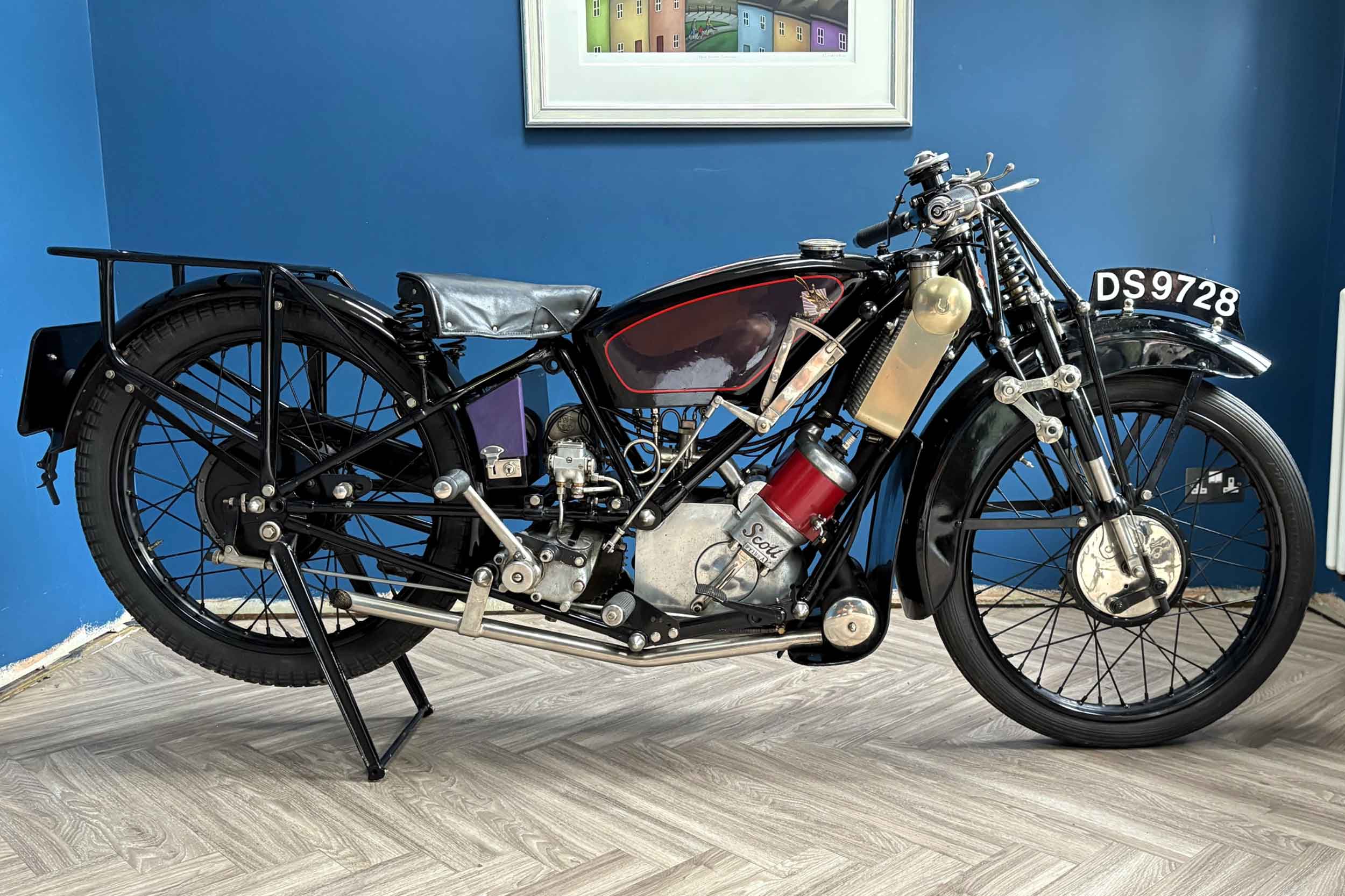
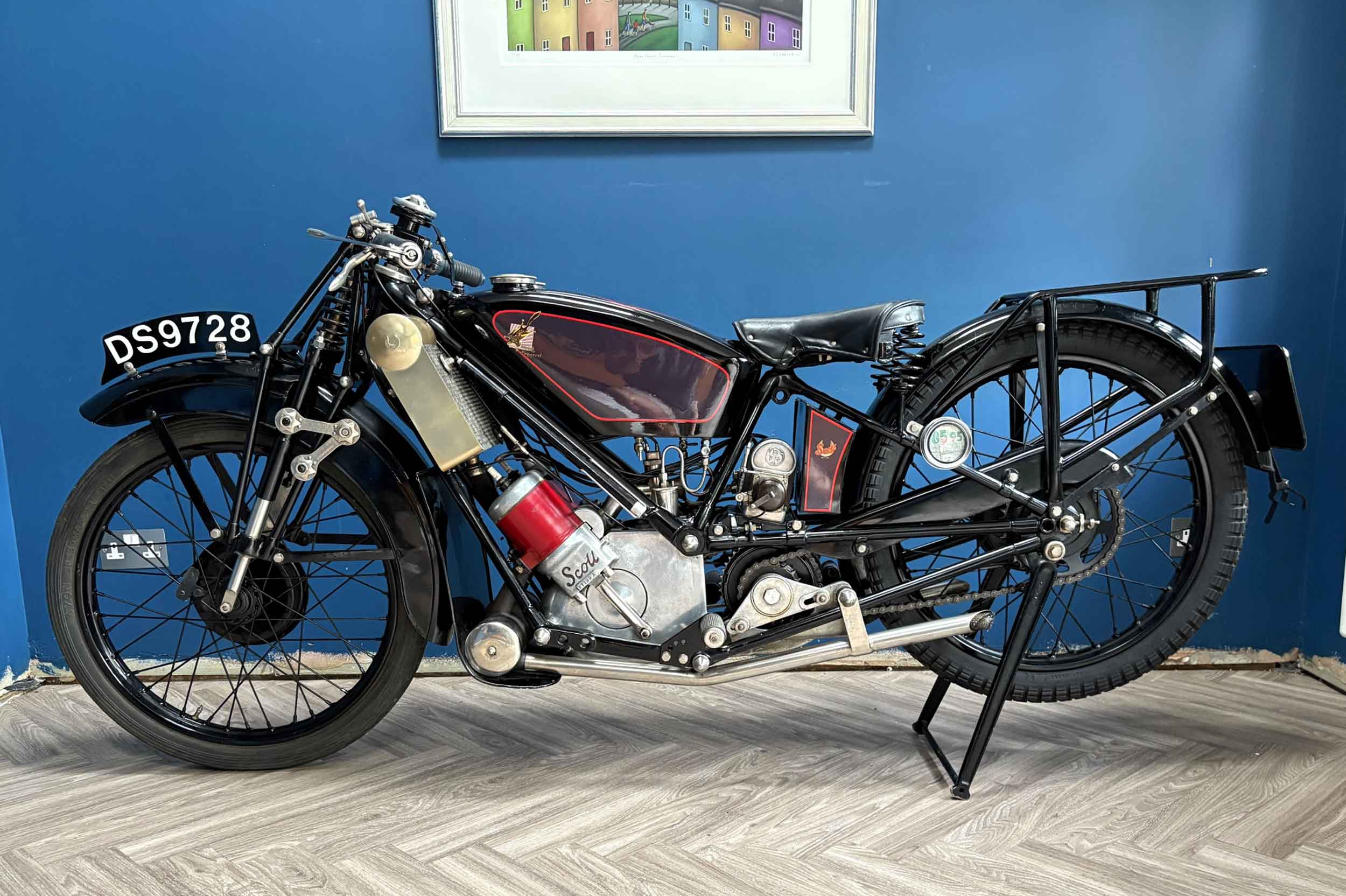
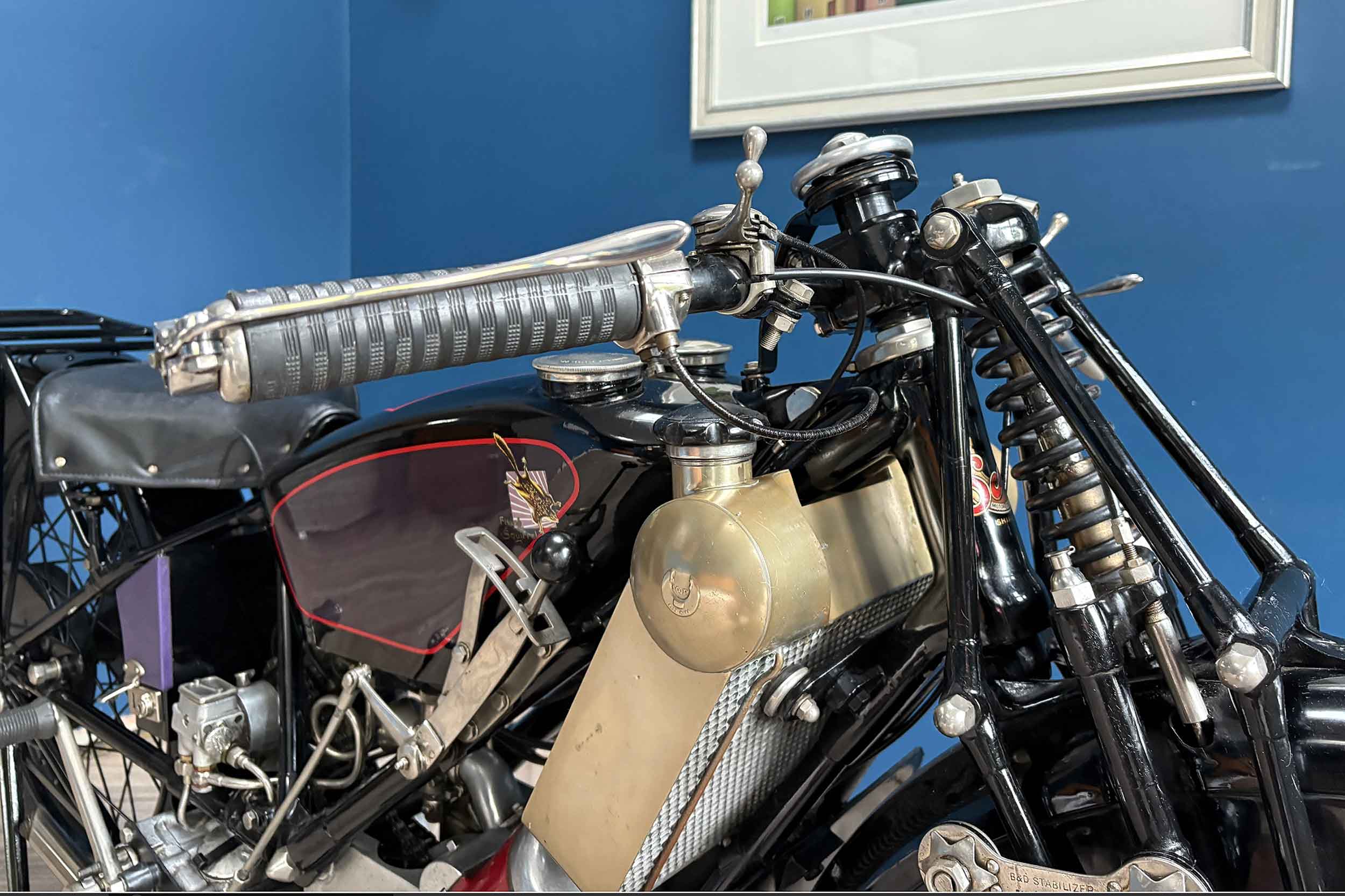
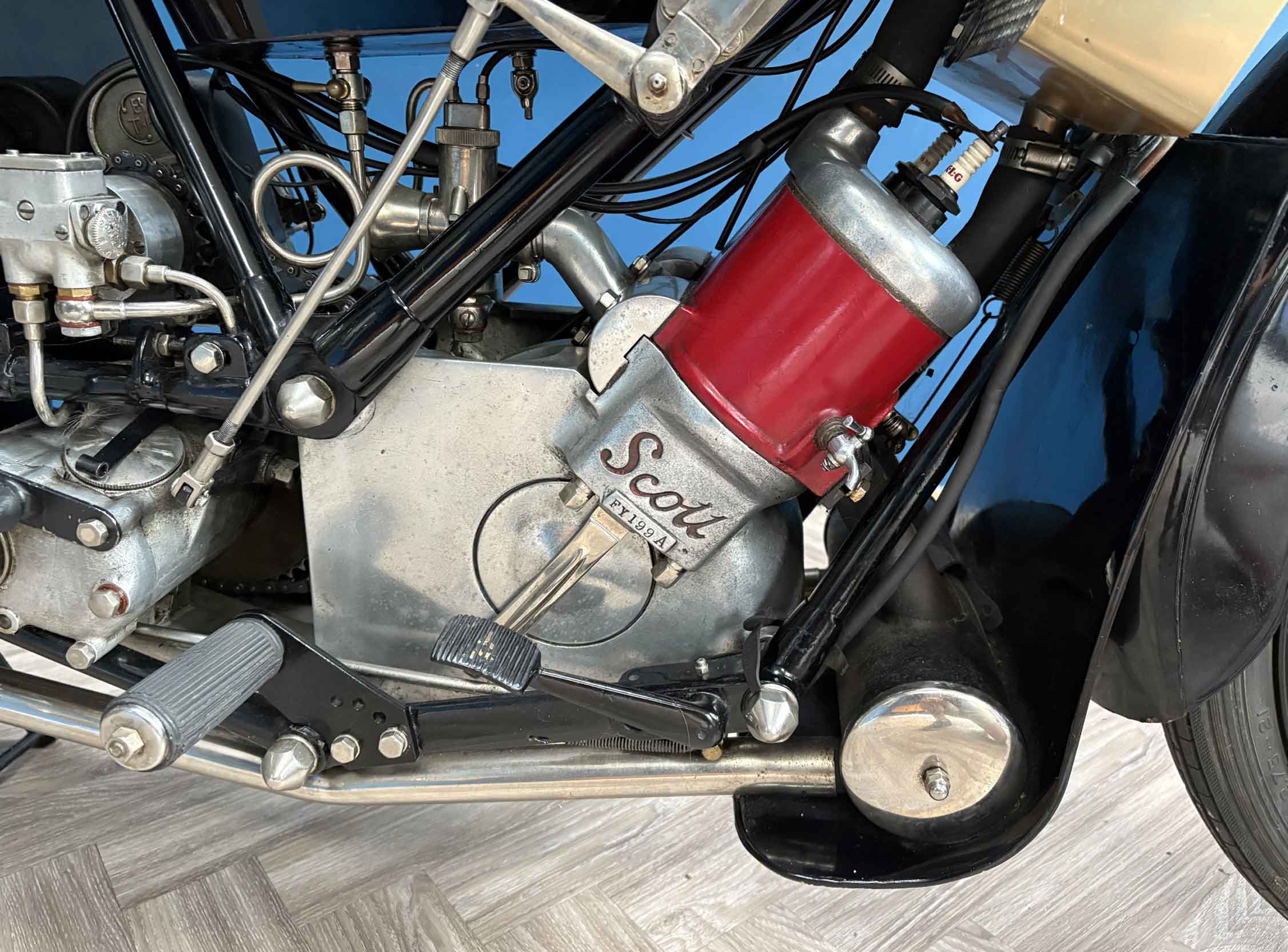
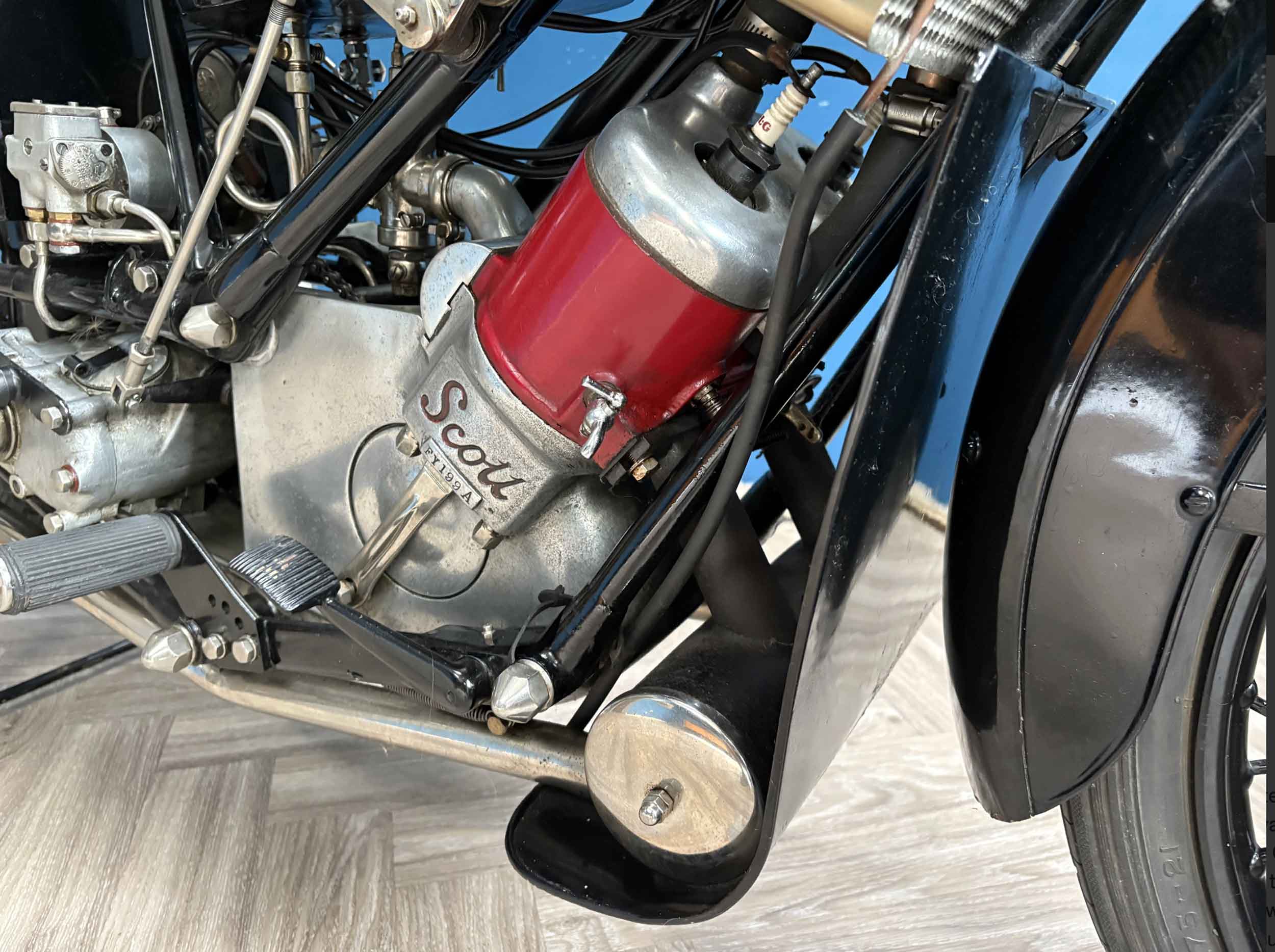
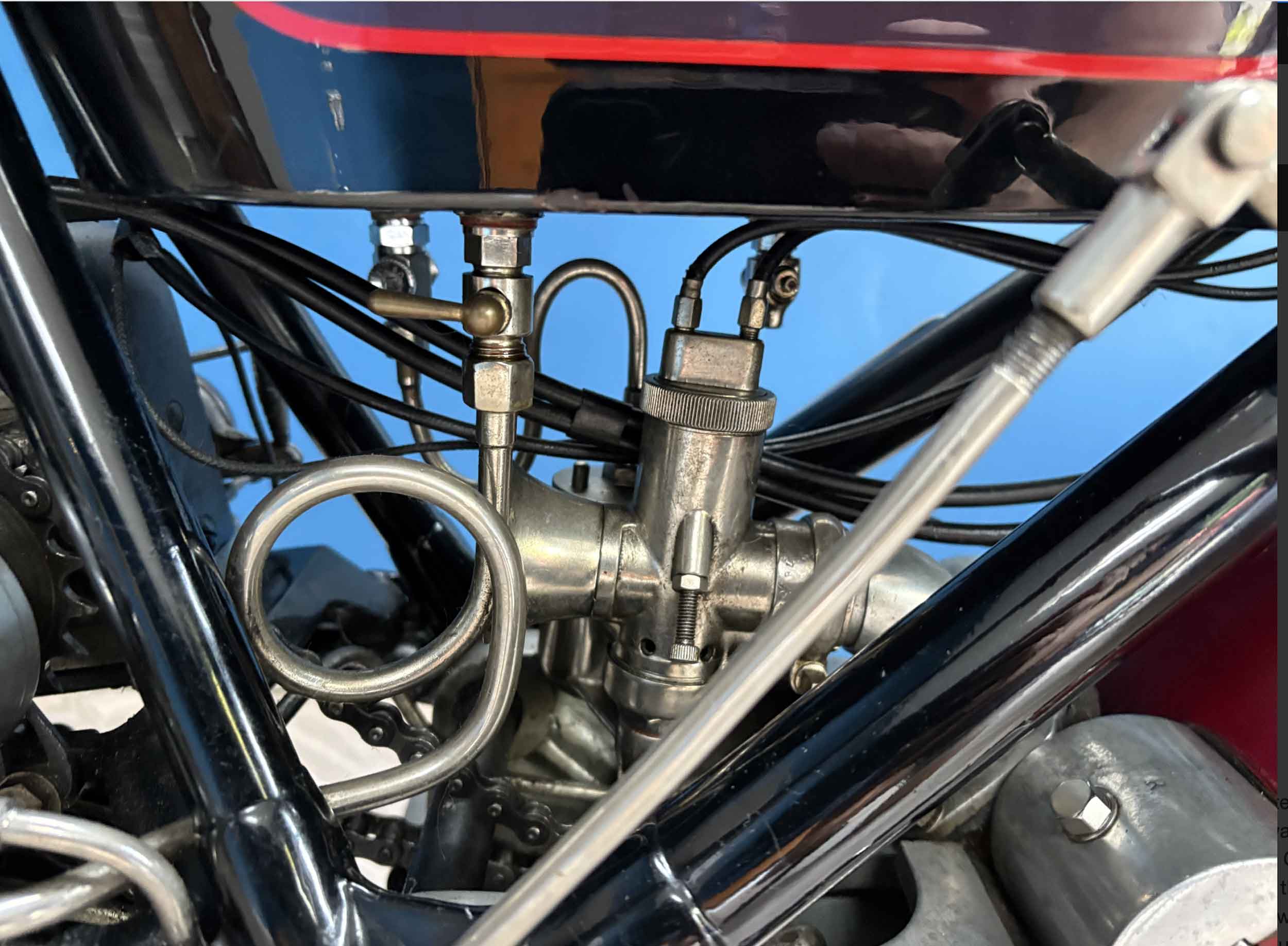
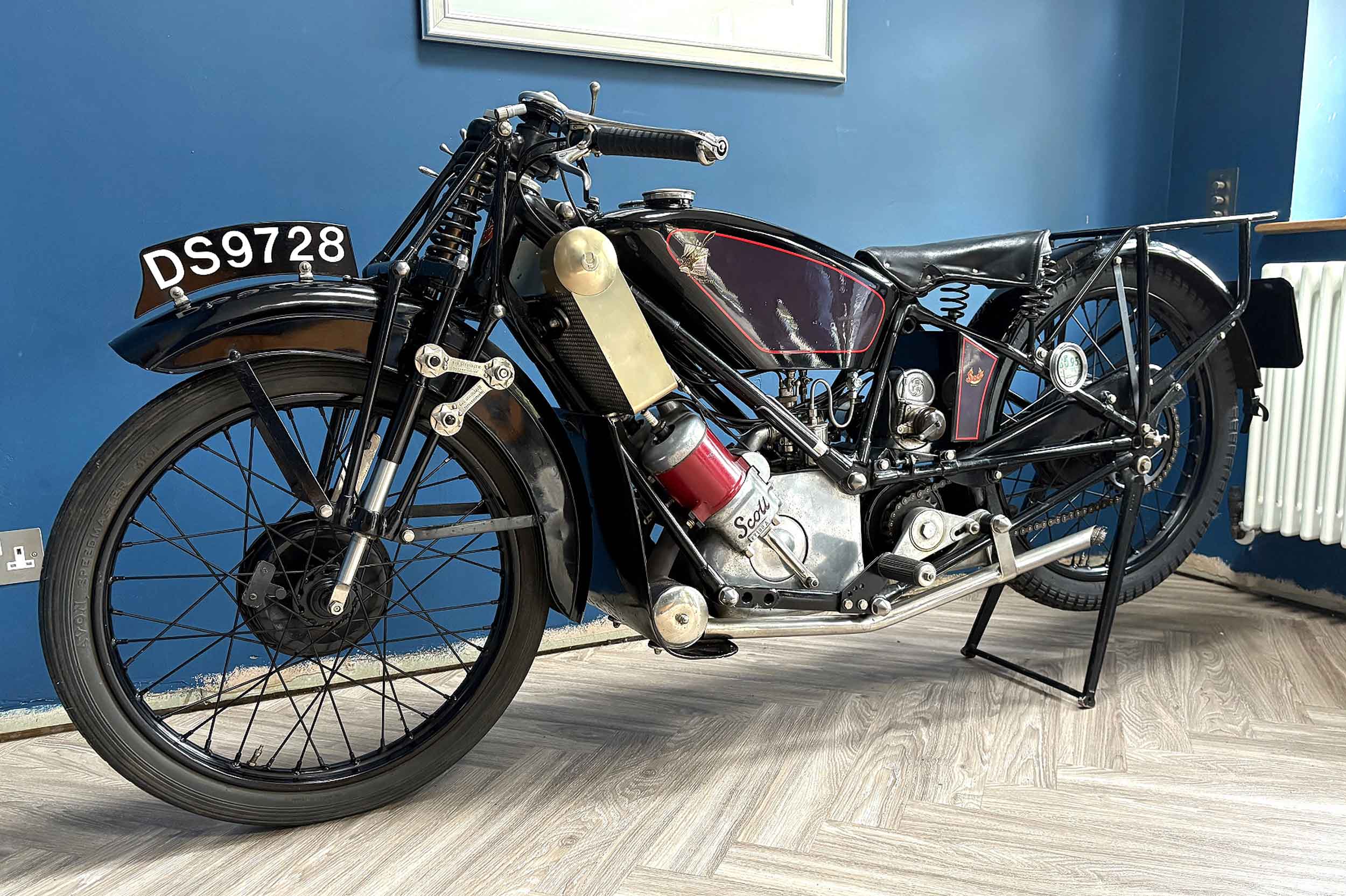
Stand beside one and you notice it immediately. That slim water-cooled two-stroke twin, polished and purposeful. Radiator perched proudly at the front, copper pipes curling with a sort of mechanical elegance. It’s a motorcycle that puts its engineering on display, like a watch with a skeleton dial. There’s no mystery here — just confidence.
A Bold Vision in a Conservative Age
The Flying Squirrel made its debut in 1926, but its story began long before that with Alfred Angas Scott, a man who believed in lightness, in two-strokes, and in pushing boundaries well before “innovation” became marketing jargon.
While the motorcycle establishment of the day clung to big four-stroke singles, Scott championed a water-cooled twin long before anyone else dared. It was fast. It was smooth. And — whisper it — it was fast taking 3rd in the 1929 TT. Captain Tom Moore – remember him raising money for the NHS during Covid – won several trophies on a Flying SQuirrel as a young man.
That success persuaded Scott to launch a road version but the company’s poor finances saw it close as WWII started.
A Modern Reminder at Auction
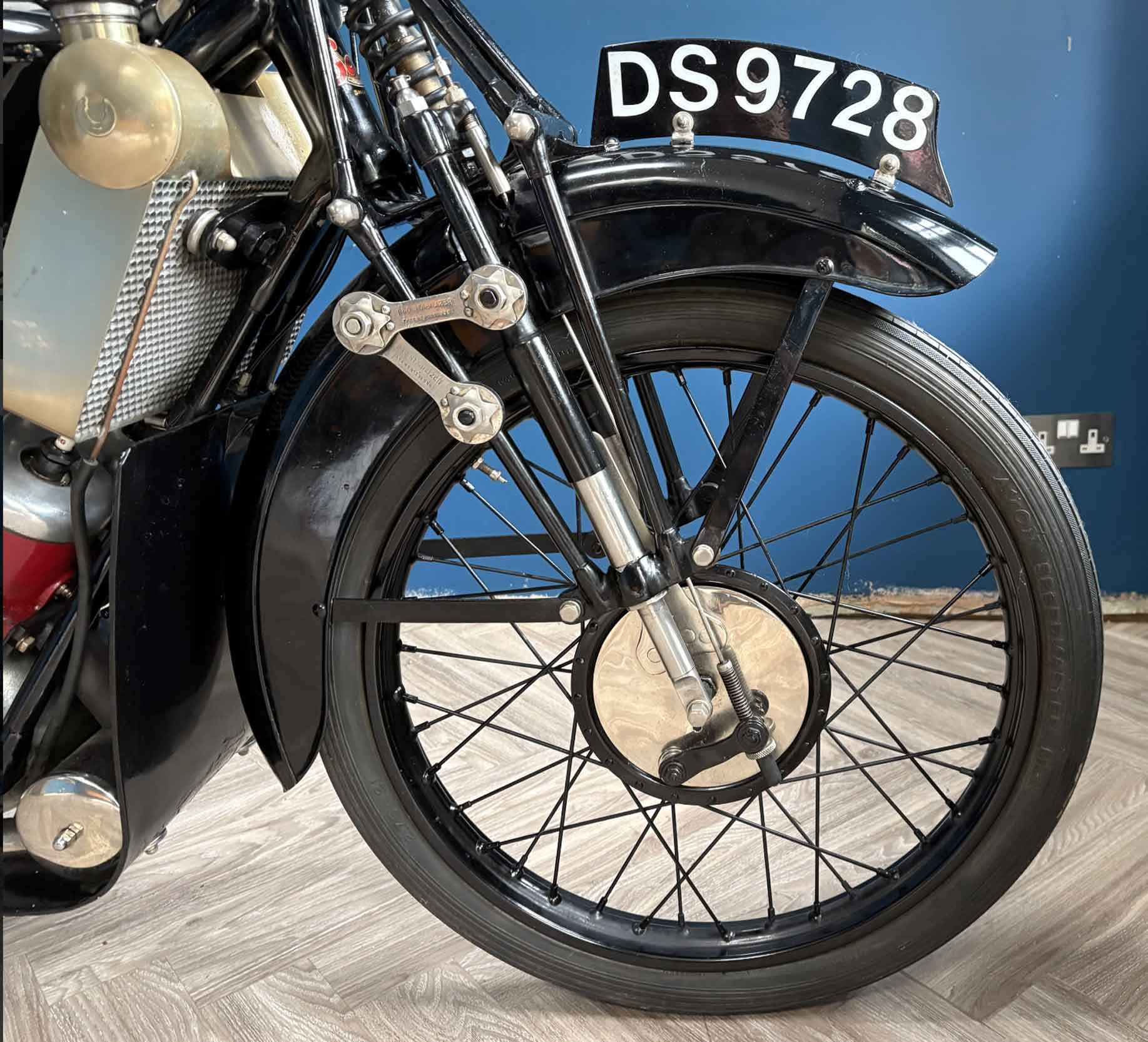
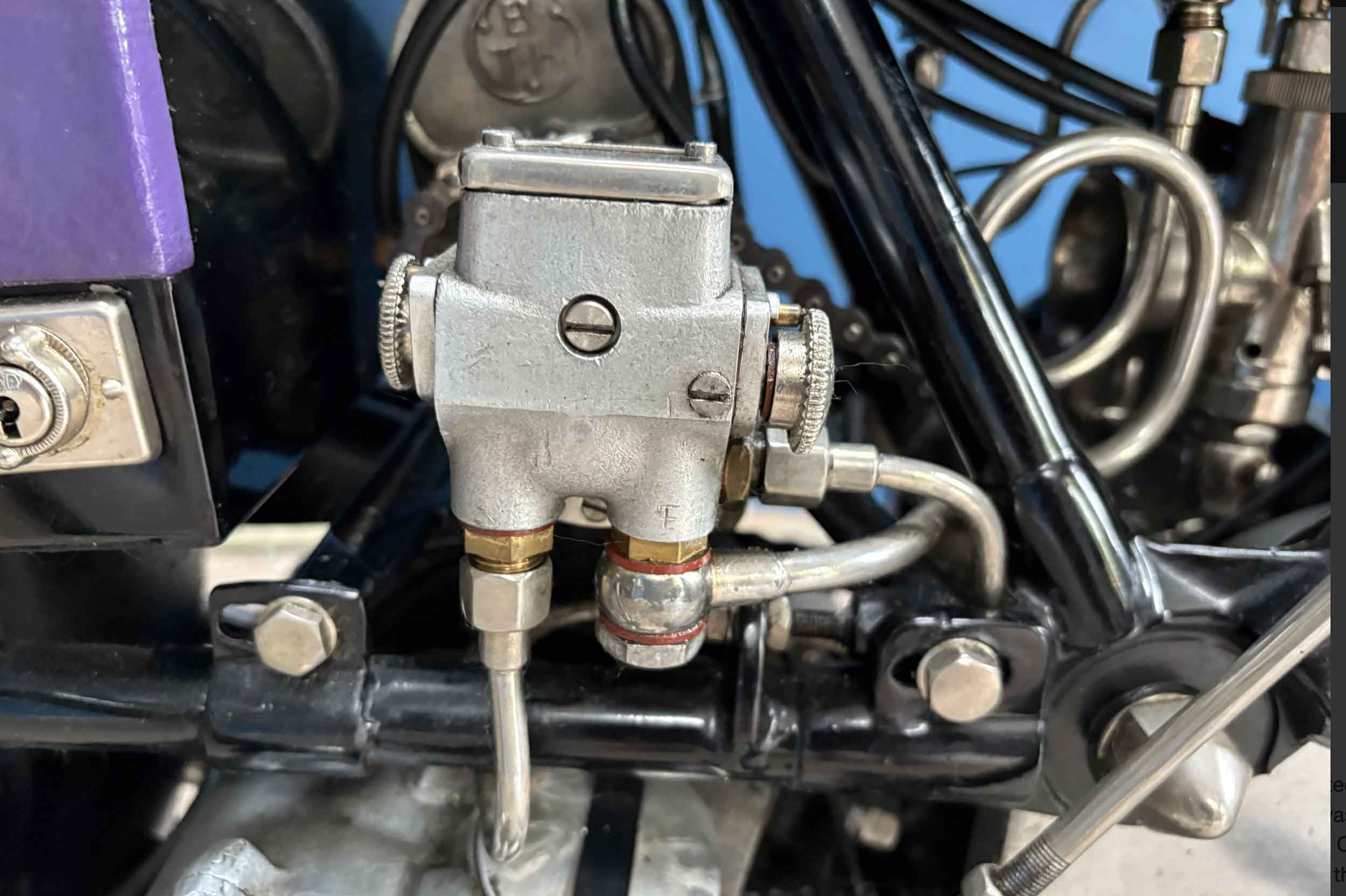
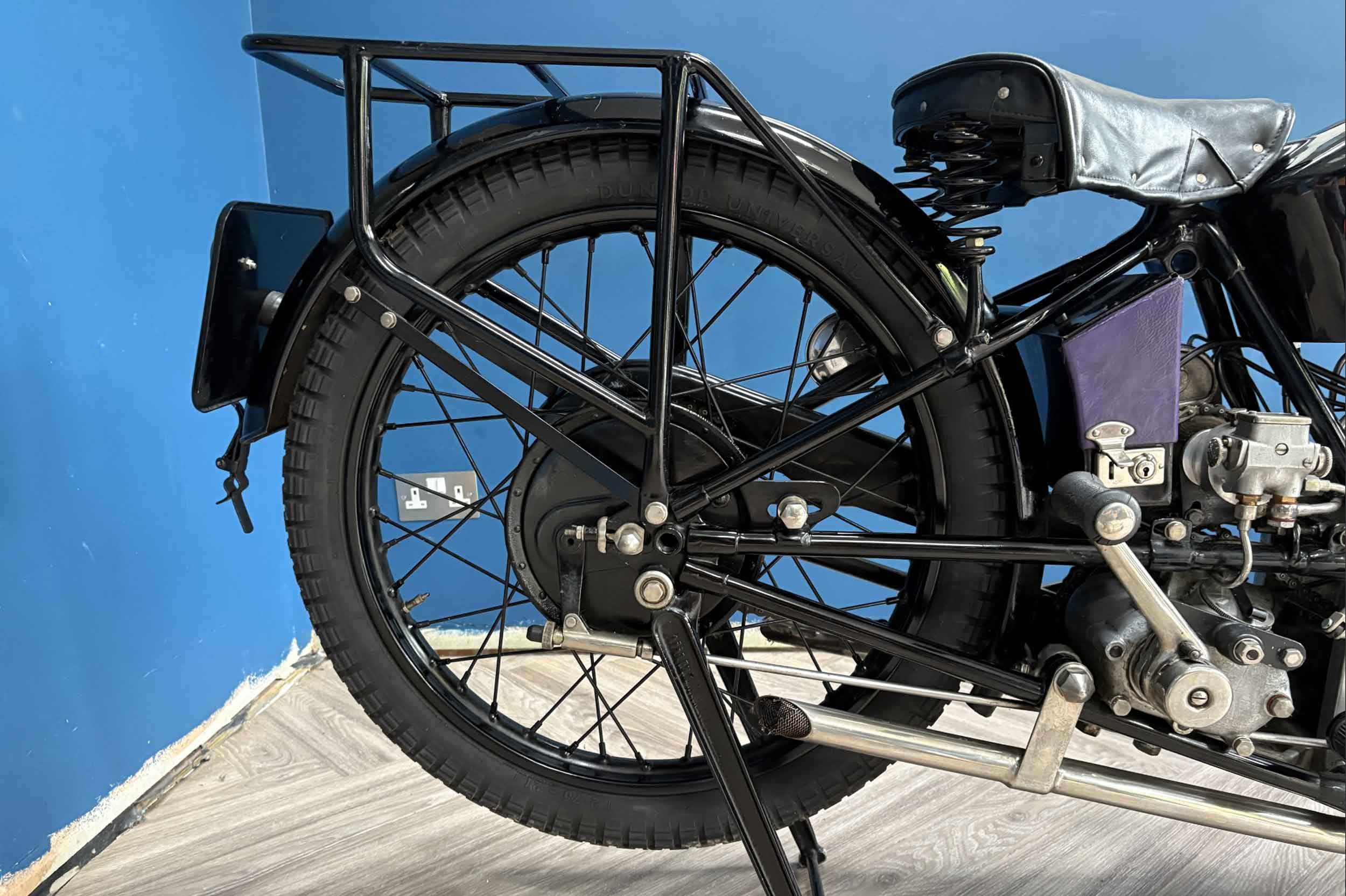
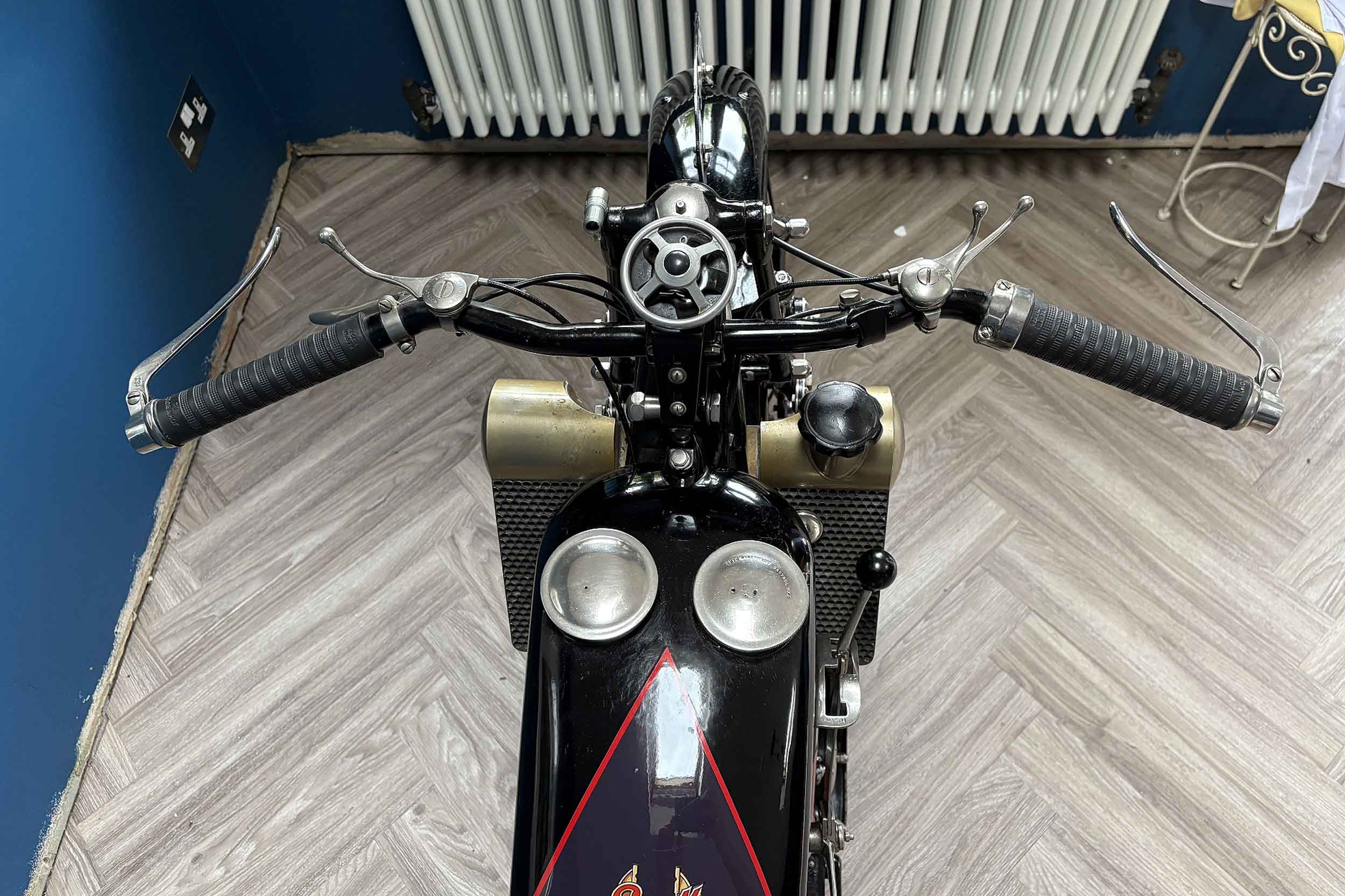
And that brings us neatly to a wonderful example that crossed the block recently: a beautifully restored 1927 Scott Flying Squirrel, sold by H&H Classics.
This one had all the right credentials. Restored between 1992 and ’95 by a dedicated Scott enthusiast. Carefully owned and admired for three decades. Still wearing many of the components it left the factory with nearly a century ago. Not just pretty — authentic.
It hammered for £8,338 including premium. In today’s market, that feels like rather a lot of motorcycle for the money. Not cheap — good things rarely are — but compelling value for a machine with this level of history, engineering interest, and rarity.
You can almost picture the new owner wheeling it into a garage lit like a gentleman’s study, pouring a whisky, and losing a good hour simply looking at it.
🏍️ Ride Today: Living with a Scott Flying Squirrel
Thinking of bringing a Flying Squirrel into your life? Here’s what to expect.
What to Look For
- Original radiator & water-cooling gear
The plumbing is part of the soul — originality matters. - Matching period engine & frame components
Swapped bits won’t ruin it, but they’ll soften the provenance. - Documentation & club history
Scotts love paper trails and passionate former owners. - Proper restoration work
These bikes reward careful fettling — check who did the work and when.
What It’s Like to Ride
- Smooth, eager two-stroke power
- Mechanical theatre on show — pipes, water, motion
- A wonderfully distinctive sound
- A bike that turns heads and starts conversations